Sell, donate or upcycle? What to actually do with your loved one’s vintage clothing collection
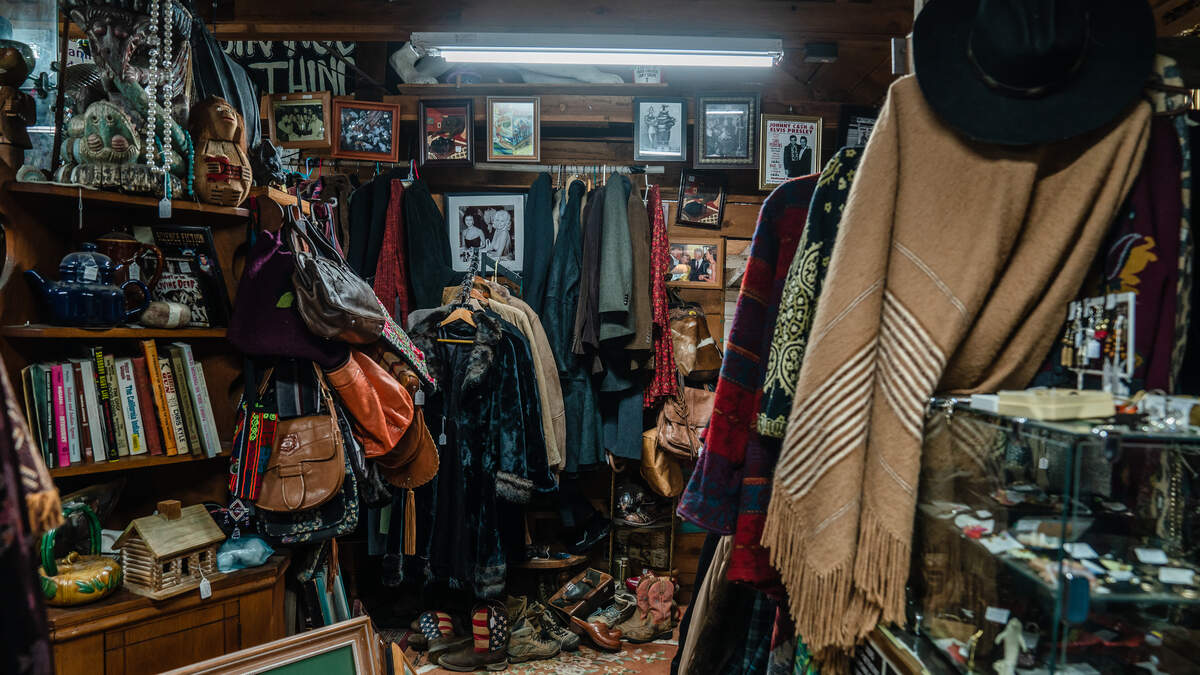
Sorting through a loved one’s closet can feel like handling memories, clutter and possible money all at once. Most people see a pile of old clothes. An appraiser sees something else entirely.
For example, men can repurpose their mom or grandmother’s clothes into something they’d actually wear — such as lining for a suit jacket. Designer clothes can be sold online (sometimes for a hefty price).
The difference is knowing what gives a garment value beyond the family. Once you understand that, the hard decisions about what to sell, donate or upcycle mostly make themselves.
What makes vintage clothing actually valuable
Value in vintage clothing comes down to a few traits: scarcity, condition, brand heritage and cultural moment. A worn-out sweater has none of them. A vintage concert tee from the right tour can have all four.
Scarcity is about how few of something still exist. Condition is about whether a piece is unworn or close to it. Heritage covers recognizable labels and collectible categories like designer pieces, vintage sportswear, concert tees and rare shoes. Cultural moment is whether anyone is chasing that particular era right now.
Scottlynn Krause learned this firsthand. She and her mother inherited a storage unit from a friend’s grandfather who had run a sporting goods store in the ’60s, ’70s and ’80s. The mother-daughter duo began selling the deadstock at flea markets and eventually online through their label CS80 Vintage.
“Our goal is to continue Franz’s legacy by slowly placing these pieces with people who genuinely appreciate the memories, craftsmanship, and spirit of the 1980s. We’re exploring ways to carry that energy forward, too. We eventually want to create our own products using our deadstock blanks to keep the 80s aesthetic and story alive for the new generation,” Krause told Business Insider.
So before you bag anything for donation, check whether it carries those four traits.
How to sell vintage clothing that has real demand
When a piece is rare, branded or in excellent condition, selling gives it a second life with someone who genuinely values it. Look for recognizable labels and collectible styles, then research sold prices rather than listing prices. Photograph the tags, the flaws and the measurements.
Be honest about the effort, though. Knowing where to sell old clothes is only half the job. Listing, pricing, shipping and storage all take time, so selling is worth it when the payoff justifies the work.
Where to donate old clothes that are still useful
Plenty of clothing is perfectly good without being collectible. Everyday coats, sweaters, shoes and workwear may not earn much, but they can still help someone.
“There are some organizations that will come and do pickups of a lot of clothing and household items,” professional organizer Lori Reese told CNBC. “You’ll have to do a little research to see what they will and won’t take. But it’s great and time-effective if you can find an organization in your area that will come and pick up your stuff and take it away for you.”
Reese adds that Goodwill accepts clothing too worn to resell and recycles the textiles instead. So where to donate old clothes really comes down to local charities, shelters, thrift stores and textile recycling programs. Just separate the sentimental or potentially valuable pieces first.
When upcycling clothes preserves the memory
Some pieces are too meaningful to sell but not practical to wear. That is where upcycled clothing comes in.
When designer Mason Wagner met a man named Eric who had a box of his late mom’s clothes, he was stumped at first.
“But after talking with my grandmother, a lifelong quilter, I had the idea to piece the garments together and line a jacket with them,” Wagner said in an interview with People. The video of the finished jacket has drawn nearly 500,000 views on TikTok.
Upcycling clothes works when the memory matters more than the market. A favorite shirt becomes a quilt, a scarf gets framed, a handful of buttons turns into keepsakes.
The one category that should stay small
Sell the valuable. Donate the useful. Upcycle the sentimental. Keep what you truly want. Recycle or toss only what is genuinely unusable.
“Trash should be the smallest category … if you’re doing it right,” Mindy Godding, a professional organizer and owner of Abundance Organizing, told CNBC.
A loved one’s clothes do not have to sit untouched in storage to be honored. For the valuable pieces, knowing where to sell designer clothes gives them the best shot at a second life. The goal is simply to choose the right next life for each piece.
This article was created by content specialists using various tools, including AI.