7 things hiding in your closet that are worth far more than you think (and 7 you should just donate)
Your closet cleanout is hiding money. Not in every garment, but in a surprising number of them (especially if you’re selling designer clothes).
The resale market has turned forgotten clothing into real cash. Selling clothes online has never been easier, and the right band tee, designer button or stamped chain can be worth far more than anything you bought new this year.
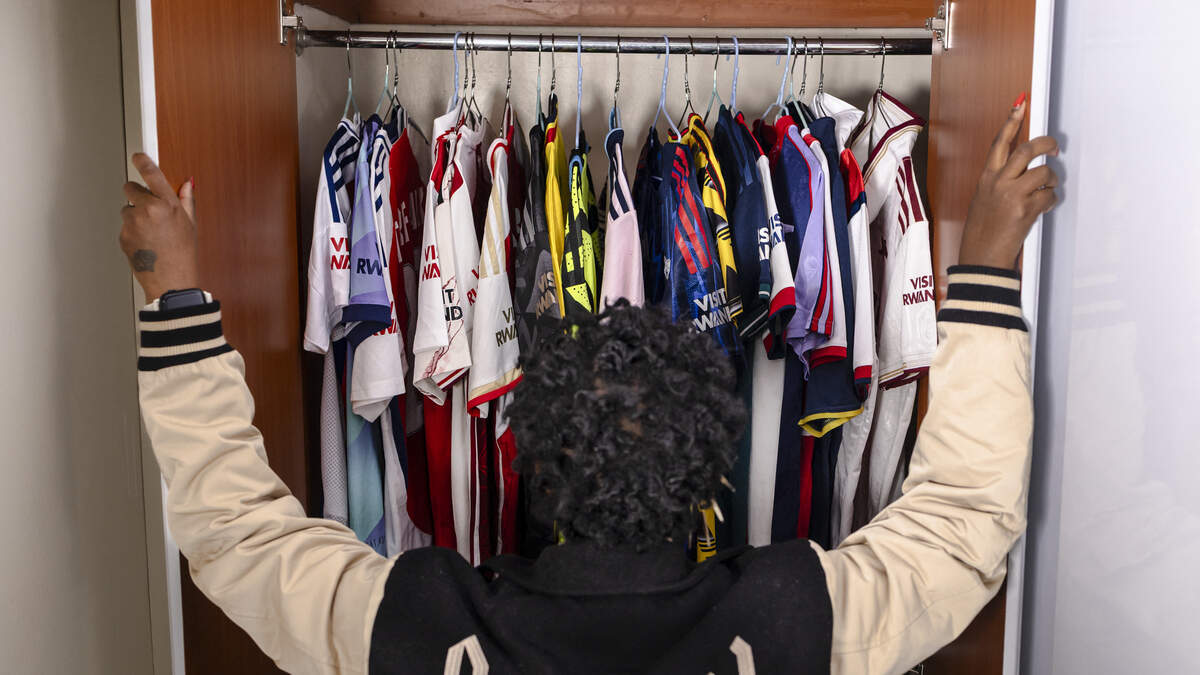
Here is the complete rundown: the seven things worth selling, the seven things better off donated and exactly what to look for in each. Use it to guide your next closet cleanout before a single item leaves the house.
7 things worth selling in a closet cleanout
The categories below routinely outearn what their owners expect, sometimes by hundreds or thousands of dollars. What separates a profitable listing from a missed one almost always comes down to three things: authenticity, condition and a name or era that buyers recognize. Keep those in mind as you sort.
7. Vintage concert t-shirts from past decades
Band and tour shirts from the ’70s, ’80s and ’90s sit at the top of the resale food chain. Recent standouts include a 1994 Nine Inch Nails Downward Spiral shirt around $1,550 and an Enter the Wu-Tang shirt near $2,000.
Value depends on artist, era, rarity and condition, and an original tour shirt always beats a modern reprint. Shirts tied to a specific tour, an album release or a now-defunct venue tend to be the most desirable.
“Vintage Concert T-shirts and Vintage shirts from your favorite sports teams can fetch quite a price. eBay has a strong collecting community,” Reyne Hirsch of Dallas Auction Gallery told Good Housekeeping.
6. Designer buttons and hardware
Before donating a designer blazer, look at the buttons, zippers and clasps. Damaged designer clothing can still sell when the hardware is intact.
Chanel buttons are the prize, since people repurpose them into earrings, pendants, charms and brooches. Just know that some logo buttons are genuine, some are replacements and some are reproductions, so authentication matters.
5. Signed vintage costume jewelry
Costume does not mean cheap. Much vintage costume jewelry was well made, collectible and designer-signed, especially pieces made from the 1920s through the 1950s.
Check the clasp, the back of a brooch or the inside of a bracelet for a maker’s mark or signature. Desirable details include rhinestones, enamel, bakelite, poured glass, faux pearls, figural brooches and Art Deco shapes.
4. Damaged or mismatched gold and silver jewelry
The junk jewelry dish may not be junk at all. Broken chains, single earrings, bent rings and old charms still carry value because the metal itself has resale or scrap worth.
This is the most overlooked corner of vintage jewelry, and a hallmark is the giveaway.
“I can’t tell you how many times we’ve found pieces tossed in a drawer that are stamped ‘925,’ ‘14-karat,’ or ‘18-karat,’” Jennifer Mayrath of Clotheshorse Anonymous told MarthaStewart.com. “Those markings matter. Sterling silver, solid gold, and pieces with genuine stones, especially if they’re signed or have a designer hallmark, can carry significant resale value. Turquoise and Old Pawn are often overlooked, too.”
3. Starter jackets and legend-era jerseys
Vintage sports apparel sits where fandom, nostalgia, streetwear and memorabilia all overlap. Starter jackets from the late ’80s and ’90s, especially satin styles and pullovers, are among the most recognizable collector pieces around.
Team and player drive the price. Bulls, Lakers, Raiders, Cowboys and Yankees pieces perform well, and legends like Michael Jordan, Kobe Bryant and Ken Griffey Jr. add demand. Vintage soccer jerseys follow the same pattern, where a storied club or a famous number lifts the value.
Look for original Starter, Champion, Nike, Russell Athletic, Logo Athletic or Mitchell & Ness tags.
2. Reissued designer bags
The outdated designer bag at the back of the closet may be entering its comeback era. A silhouette that felt dated ten years ago can look fresh again the moment it returns to the runway or a resale feed.
Look for Saint Laurent, Fendi, Dior, Gucci, Prada, Chanel, Celine, Balenciaga and Louis Vuitton. Serial numbers, authenticity cards, dust bags, receipts, original hardware and intact lining all push the price up.
1. Vintage wedding dresses
A mother’s or grandmother’s gown can carry real value thanks to craftsmanship, fabric, designer label, era and current bridal trends.
Look for silk, satin, handmade lace, hand embroidery, beading, covered buttons, long sleeves, dramatic trains or minimalist ’90s lines. Dresses from the 1920s through 1970s appeal to collectors, while sleek ’90s gowns appeal to modern brides.
“The Marilyn Monroe-style wiggle dresses are becoming more popular,” Lily Kaizer, owner of LA-based vintage bridal boutique the Happy Isles, told Vogue. “People are going for the ’70s-style relaxed silhouette, and we’ve had a lot of requests for ’90s minimal styles.”
Even an unwearable gown has value, since buyers repurpose the lace, fabric, buttons, veils and headpieces.
7 closet items worth donating instead
Not everything in a closet has resale value, and that is fine. Plenty of perfectly good clothing is worth more as a donation than as a listing, where it can help someone quickly instead of sitting unsold for weeks. These seven categories are almost always better given away.
- Everyday fast fashion: Usually low resale value, but still useful to someone if it is clean and wearable.
- Basic shoes in good condition: Sneakers, flats and boots without major wear can help someone right away.
- Winter coats and jackets: Often in high demand at shelters and community donation drives.
- Workwear and interview clothes: Blazers, dress pants, button-downs and simple dresses support job seekers.
- Kids’ clothing: Children outgrow clothes fast, so gently used basics are always appreciated.
- Extra blankets, scarves and gloves: Practical cold-weather items usually help more donated than resold.
- Trendy accessories with no designer value: Belts, hats and fashion jewelry may not sell for much but can still be put to good use.
The smartest closet cleanout starts with a sort. Set aside anything with rarity, a precious material, a recognizable label or a returning trend, then donate the rest with a clear conscience.
When you do decide to sell used clothes, do a little homework first. Check recent sold listings, confirm any hallmarks or tags and photograph the details that prove authenticity.
And if your closet leans high-end, it pays to brush up on selling designer clothes before you list, since the right platform and solid proof of authenticity can be the difference between a quick sale and a lowball offer.
This article was created by content specialists using various tools, including AI.