
Why the Dinner Party Revival Could Redefine Socializing as More Americans Seek Meaningful Connection
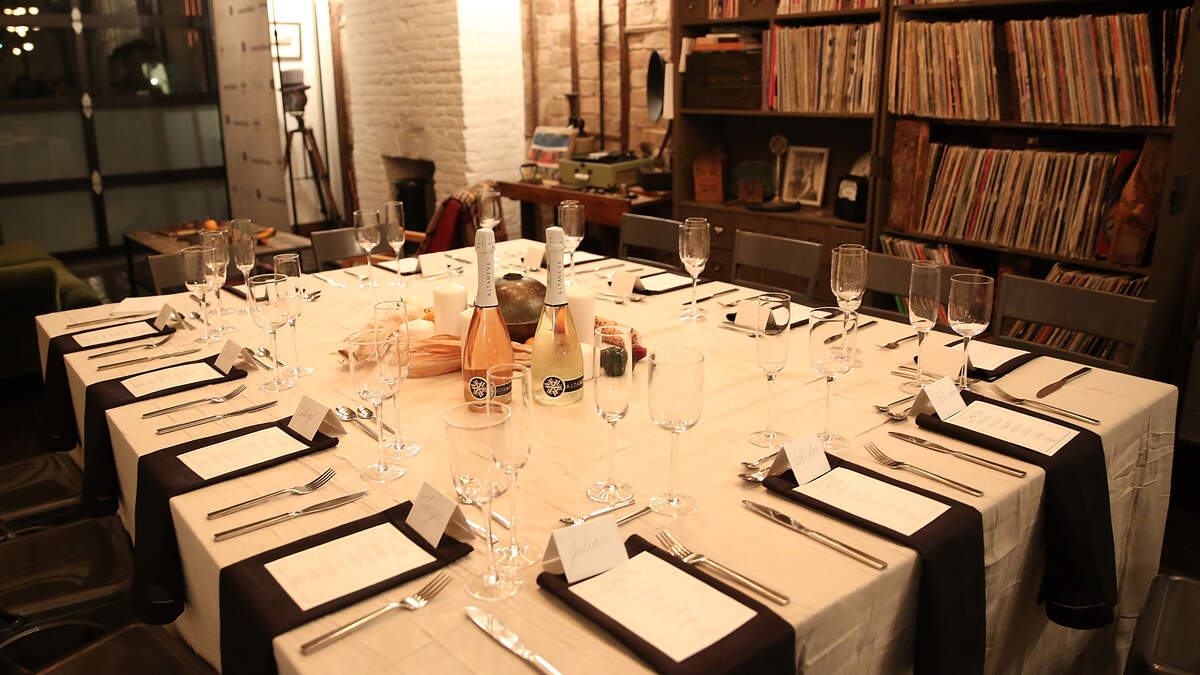
Forget the restaurant reservation. The dinner party is back, and it’s quietly becoming one of the most meaningful ways Americans are eating, connecting and rebuilding community in 2026. Supper clubs, recurring gatherings and casual at-home meals are filling a gap that decades of restaurant culture, screen time and pandemic isolation left behind.
This isn’t the stiff, multi-course affair of generations past. Today’s dinner party is relaxed, intentional and unapologetically social, designed less around perfect place settings and more around the people actually sitting at the table.
Why the dinner party disappeared, and why it’s roaring back
The dinner party didn’t vanish overnight. Through the 2000s and 2010s, it faded gradually as restaurant culture expanded and “going out” became the default way to socialize. Then COVID-19 eliminated the restaurant option entirely, almost overnight. The unexpected result was that people remembered how to have each other over.
Sociologist Robert Putnam identified the deeper issue decades ago in his foundational book “Bowling Alone, The Collapse and Revival of American Community.” He argued that the systematic decline of recurring social rituals, including standing gatherings, neighborhood dinners and community tables, has been the single most significant driver of community erosion in American life. The problem was never a lack of desire for connection. The structure that gave connection somewhere to happen consistently, and for free, had quietly disappeared.
The loneliness epidemic fueling the trend
The hunger for in-person gathering is showing up clearly in the data. According to the American Psychological Association, 1 in 3 American adults report feeling lonely every week. AARP’s 2025 research found that 4 in 10 adults over 45 are lonely, a record high.
“Major life changes, retirement, children moving away, or the loss of loved ones, are common triggers for loneliness,” AARP researchers wrote. “The difference between lonely and nonlonely adults often lies in how relationships are managed during these transitions.”
In 2023, former U.S. Surgeon General Dr. Vivek Murthy declared a loneliness epidemic, noting that loneliness is associated with greater risk of cardiovascular disease, dementia and depression. Murthy called for strengthened social infrastructure, such as religious and sports groups, volunteer programs, green spaces and the kinds of recurring rituals that give people a reason to show up.
The modern dinner party fits squarely into that prescription.
A quick history of supper clubs
The current revival has deep roots. Trinette Faint, founder of the social networking company and dinner club Chez Faint, told MarthaStewart.com that the format has been around for nearly a century.
“Supper clubs go back to the 1930s, born out of the prohibition era as a way to celebrate being able to socially enjoy alcohol along with a cultural experience again,” Faint said.
That blend of food, drink and shared cultural experience is exactly what today’s hosts are recreating, minus the speakeasy secrecy.
What a 2026 dinner party actually looks like
Formality is firmly off the guest list. Hosts now want guests to feel relaxed from the moment they walk in, and the structure of the evening reflects that. Buffet-style spreads, grazing tables and gathering around the kitchen island have replaced the rigid sit-down format.
The dining room is having a moment, too. Designers are treating it as a fully realized, design-forward space, one that works just as well for a Saturday dinner party as it does for a Tuesday family meal. The tablescape has become a kind of love language, thoughtful but not fussy. There’s a growing movement to bring back small rituals, like lighting candles, using cloth napkins, pulling out the good china on a random weeknight, and saying a toast before the first bite.
How to host your own dinner party
You don’t need a culinary degree or a Pinterest-perfect dining room to pull this off. What you need is a plan, and the willingness to stop trying to do everything yourself.
Get the timing and cadence right
Consistency is what builds momentum and anticipation. Faint recommends a bi-monthly rhythm, or seasonal gatherings tied to holidays.
“Reach out to ten people to get a sense of their schedules for the next six months, and find an agreeable window that would work for everyone,” she told MarthaStewart.com.
Don’t be the do-it-all host
Hosting is about enjoying your company, not spending the entire night in the kitchen. Know your limits and focus on people over place settings. The best dishes are make-ahead, oven-ready or one-pot recipes, like a bolognese simmering before guests arrive. Resist the urge to debut a brand-new recipe on company. For drinks, lean on pre-batched cocktails, a help-yourself bar, freezer-door cocktails or wine.
Pick a theme
Don’t overthink it, but have fun with it. A theme can be a cuisine, a season, a movie, a color or even one specific food item. It gives the night a center of gravity and takes pressure off the menu decisions.
Build the menu around the theme
Lean into your theme and flex some creative muscle. Consider every guest’s dietary restrictions, and put out an array of appetizers alongside pre-dinner cocktails and mocktails. You can cook the whole meal, cater part of it or go fully potluck-style, and there’s no wrong answer. Don’t forget dessert and coffee. And let the table settings and décor do some of the mood-setting work for you.
The point of all of it isn’t perfection. It’s showing up, for the same people, on something close to a regular basis, the exact kind of small, recurring ritual that researchers say American life has been missing.
This article was created by content specialists using various tools, including AI.
.jpeg)