Considering Getting Blue Light Glasses? Experts Say They Might Not Do What You Expect
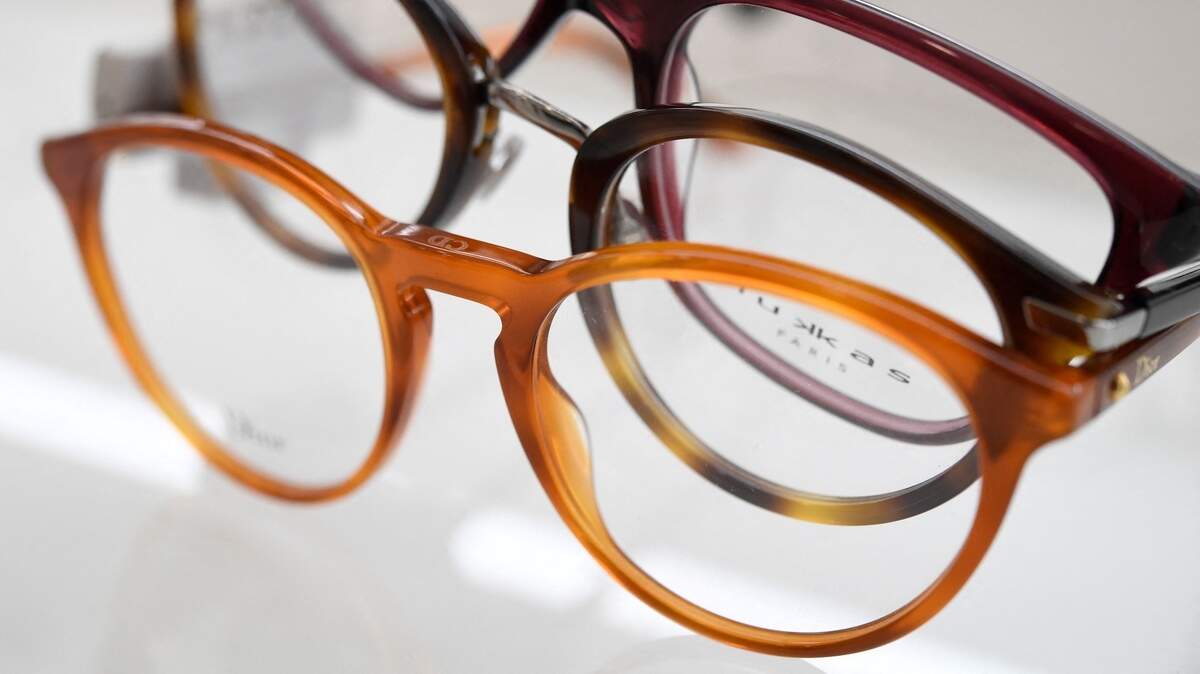
Blue light glasses keep showing up on TikTok feeds, YouTube product hauls and the faces of office workers everywhere. The question of whether blue light glasses work as advertised has moved from a niche eye-care discussion to a mainstream consumer concern, especially as screen time climbs and shoppers spend money on lenses that promise better sleep, less eye strain and sharper focus.
The latest scientific reviews suggest the answer is more complicated than the marketing implies.
How Blue Light Blocking Glasses Are Supposed to Work
The lenses are designed to filter a portion of the blue-violet wavelengths that screens emit. According to Eyebuydirect, standard prescription lenses often include ultraviolet protection, but UV coatings do not stop blue-violet light from reaching the eyes. Blue light coatings are meant to fill that gap.
“The lenses are coated with an almost imperceptible yellow tint that filters about 40% of blue-violet light,” Eyebuydirect explains. Heavier tints block more, but they noticeably yellow the lens and become less practical for everyday wear.
What the Research Says About Blue Light Glasses Benefits
This is where the marketing and the evidence diverge. A 2025 review published in Frontiers in Neurology pooled randomized controlled trials from 2010 to 2024. It found that while there is a plausible biological rationale for the lenses, the best objective sleep data did not show convincing evidence that they substantially improve sleep duration, sleep quality or the time it takes to fall asleep.
A larger 2023 review in the Cochrane Database of Systematic Reviews reached a similar conclusion after analyzing 17 randomized controlled trials with more than 600 participants. The authors wrote that blue-light filtering lenses “may not attenuate symptoms of eye strain with computer use, over a short-term follow-up period, compared to non-blue-light filtering lenses,” and found “probably little or no effect” on best-corrected visual acuity.
On its public summary page, the Cochrane team put it plainly, writing that “there may be no short-term advantages with using blue-light filtering lenses to reduce visual fatigue with computer use, compared to non-blue-light filtering lenses.”
The review also flagged possible downsides reported in individual studies, including headache, lowered mood and discomfort wearing the glasses. Similar complaints showed up among people wearing the non-filtering lenses used as controls.
Why Product Claims Vary So Widely
Part of the confusion is that “blue light filtering” is not a standardized label. A 2019 study in Optometry and Vision Science measured how much light a range of commercial and prototype lenses actually blocked across the visible spectrum. The researchers found wide variability. Some lenses filtered only a small fraction of blue light, while others blocked substantially more, sometimes at the cost of altering color perception.
The authors did not test clinical outcomes like sleep or eye strain. Their point was simpler. Marketing claims about blue light filtering do not reliably indicate a consistent optical effect from one product to the next.
Still Interested in Blue Light Glasses? Here’s Where to Buy Them
If you still want to try a pair, the category is easy to shop. Warby Parker, LensCrafters and Barner all sell blue light lenses, as do Eyebuydirect, Felix Gray and Zenni. Options range from light coatings on prescription frames to heavily tinted gaming-style glasses. Prices and filtering levels vary widely between brands, which lines up with what the 2019 lab analysis found.
For shoppers weighing the purchase, the current research offers a useful frame. The biology behind blue light filtering is real, but the consumer benefits promised on social media are not yet backed by strong clinical evidence.
This article was created by content specialists using various tools, including AI.
This story was originally published June 12, 2026 at 4:00 PM.