
How to easily fragrance your entire home while avoiding hidden toxic chemicals and pollutants
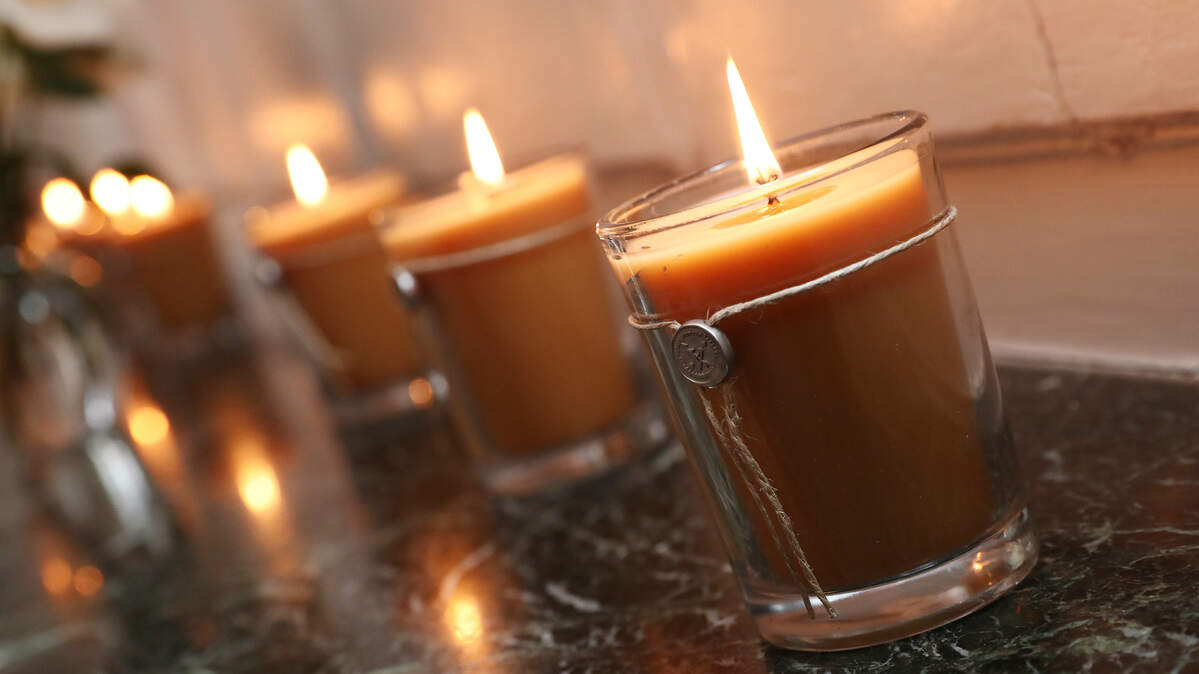
Scentscaping — the practice of using fragrance to shape a room’s mood — is having a moment as homeowners look for chemical-free ways to make spaces feel calm, energized or grounded. Here’s what to know before you swap out your plug-ins for plants and essential oils.
What is scentscaping and why is it trending?
Scentscaping is the deliberate use of fragrance in a home to influence mood, energy and the overall sensory feel of a space — think of it as interior design for your nose.
Franky Rousell, founder of interiors firm Jolie, told Vogue that “Scentscaping is the harnessing of fragrance in a space to create a specific atmosphere, guide emotional responses, and enhance the overall sensory experience of an environment. Scent can influence our mood and energy, sparking creativity in a collaborative zone or instilling a sense of grounding and calm in a wind-down area.” The approach treats fragrance as a design element on par with lighting or color, rather than an afterthought sprayed on at the end.
How do you do scentscaping without synthetic chemicals?
You build a chemical-free scentscape by starting with natural scent sources, using ventilation as a fragrance tool and skipping synthetic “constant release” products like plug-ins.
The basic toolkit includes plants, herbs and citrus peels, plus opening windows to refresh the air before you add any fragrance. Essential oils are a popular swap for aerosol sprays. Writing for The Spruce, Karen Peltier notes that “Many essential oils have antibacterial, antifungal, and antiviral properties to help freshen and purify the air. Simply boil a pot of water, take it off the heat, and add a few drops of your favorite essential oil. You can blend drops from one oil with another to find your favorite scents. The scent of the oils in the released water vapor will infuse the whole room. You can also use various types of diffusers to disperse essential oils into the air through misting.”
Which scents work best in each room?
Match the scent to what you actually do in the space — cooking smells in the kitchen, spa cues in the bathroom, calming notes in the bedroom and warm, natural tones in the living room.
A few room-by-room starting points:
- Kitchen: Simmer citrus peels on the stove and keep fresh herbs like mint and basil within reach.
- Bathroom: Eucalyptus, which pairs naturally with steam from the shower.
- Bedroom: Lavender sachets or lightly scented linen sprays made with diluted essential oils.
- Living room: Indoor plants, natural wood and chemical-free candles such as beeswax.
The goal isn’t to layer every scent at once. Pick one anchor fragrance per room and let ventilation do the rest of the work.
Is scentscaping safer than plug-ins and aerosol sprays?
A chemical-free scentscaping setup avoids the synthetic fragrances and continuous emissions that come with plug-ins and aerosol air fresheners, which is a big part of its appeal for health-conscious households.
By leaning on plants, herbs, citrus, essential oils and beeswax candles — and opening windows regularly — you’re relying on ingredients you can identify rather than a proprietary fragrance blend.
Rousell’s framing in Vogue emphasizes intention: choosing scents that match how you want to feel in a space, not just masking odors. Peltier’s guidance in The Spruce reinforces the DIY angle, with simmered water and essential oils standing in for store-bought sprays.
This article was created by content specialists using various tools, including AI.