What's the best way to get more fiber? Doctors say skip the gummies and eat this instead
Looking for high-fiber snacks that are actually good for you? Start here. These seven whole-food options are easy to prep and deliver serious fiber without the side effects that can come with processed supplements or gummy candy products.
- Chia seed pudding: one ounce of chia seeds stirred into milk with honey and fresh raspberries, left to set in the fridge overnight.
- Dark chocolate bark: melted dark chocolate spread on parchment and topped with crushed pistachios, sunflower kernels and a pinch of sea salt.
- Avocado toast: mashed avocado on whole-wheat or rye bread, topped with strawberry slices or chia seeds.
- Quinoa snack bowl: cooked quinoa tossed with diced apple, almonds and honey or dark chocolate chips, served warm or cold.
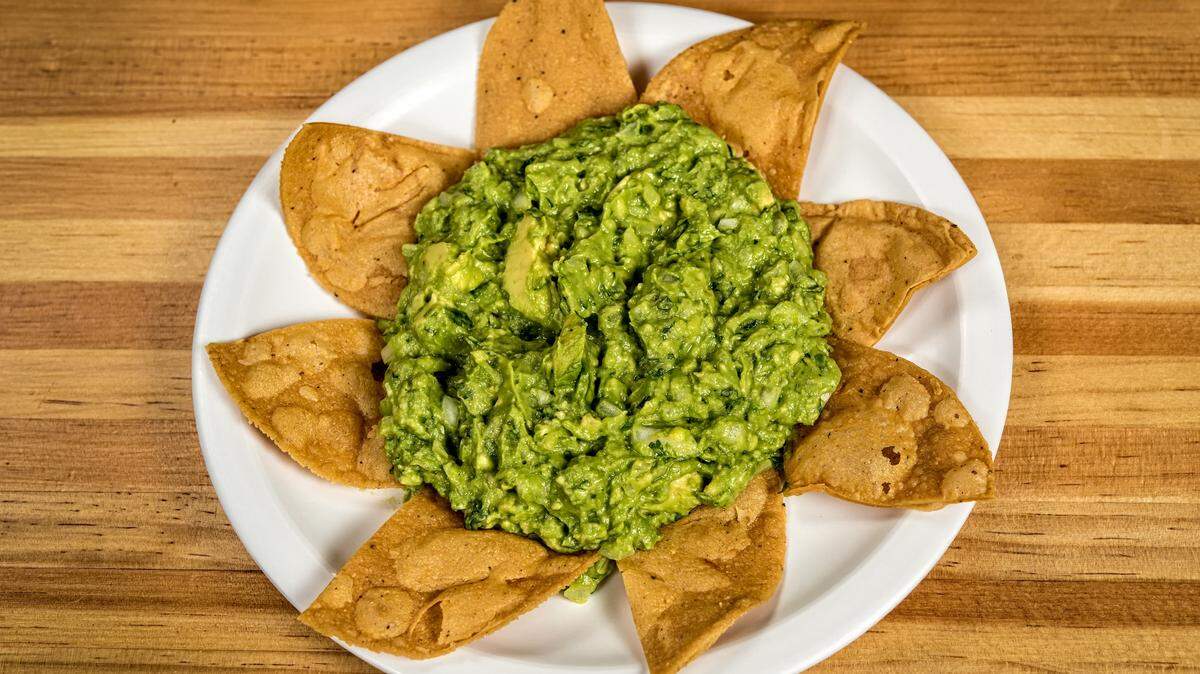
- Guacamole with veggie dippers: a simple avocado-lime guacamole paired with broccoli florets, carrot sticks and cauliflower.
- Berry and oat parfait: oatmeal or bran flakes layered with raspberries, banana and chia seeds, topped with shaved dark chocolate.
- Kiwi and chia smoothie: two kiwis blended with a banana, one ounce of chia seeds and spinach in your choice of liquid.
All seven of these snacks rely on whole food sources of fiber rather than processed supplements, which means you’re getting more than just fiber with every bite.
From the Omega-3s in chia seeds to the Vitamin C in kiwi to the gut-supporting plant diversity in guacamole, these options work with your body rather than against it. Keep a few ingredients on hand and it becomes easy to hit your daily fiber goal without ever reaching for a gummy.
Frequently asked questions about high-fiber snacks
Whether you’re new to eating for gut health or just trying to fine-tune your diet, these expert-backed answers cover the most common questions about fiber, food and how to make it all work for your body.
Are fiber gummies and prebiotic sodas good sources of fiber?
Not necessarily. While products like Trader Joe’s fiber gummies and prebiotic sodas are convenient and contain measurable amounts of fiber, gastroenterologist Dr. Wendi LeBrett, MD (@socalgastrodoc), advises against relying on them. The isolated fiber in these products is processed and can easily cause gas, bloating, cramping and diarrhea, particularly with regular use. Whole food sources of fiber are a safer, more effective choice for most people.
What are the best high-fiber foods to eat?
LeBrett’s top picks are kiwi, chia seeds, dark chocolate and avocado or guacamole. Beyond those, the Mayo Clinic identifies a wide range of fiber-rich foods across all food groups: fruits like raspberries, apples, pears and bananas; vegetables like broccoli, green peas and Brussels sprouts; grains like oatmeal, quinoa, bran flakes and whole-wheat bread; and legumes, nuts and seeds like black beans, lentils, almonds and pistachios.
How much fiber per day should I be eating?
According to OSF HealthCare, most children and adults should aim for 25 to 38 grams of fiber daily. That range is more reachable than it sounds. One cup of raspberries alone provides eight grams, one cup of boiled green beans yields nine, one cup of quinoa delivers five and one ounce of chia seeds contains 10. Together, that’s 32 grams — and adding an ounce of dark chocolate pushes you to 35 or 36.
Can eating too many high-fiber snacks cause problems?
Yes. Rekha Chaudhary, MD, told UC Health that consuming too much fiber at once can lead to bloating, abdominal pain and excess gas. The key is moderation and pacing. Rather than loading up on fiber-rich foods in one sitting, spreading them across meals and snacks throughout the day gives your digestive system time to adjust.
Does drinking water matter when eating high-fiber foods?
It does. Joshua Edwards, RD, LD, explained to UC Health that “when fiber is increased, but fluid intake is insufficient, stools may become hard, and constipation can occur.” Chia seeds in particular absorb liquid as they digest, so drinking plenty of water is especially important when they’re part of your diet.
What’s the best way to build a high-fiber diet gradually?
Jeanna Brouwer, a registered dietitian at OSF HealthCare Cancer Institute, recommends working fiber into each part of the day incrementally rather than overhauling your diet all at once.
“Mixing different foods and vegetables high in fiber throughout the day helps you get the benefits without getting bored,” Brouwer says. “Try adding a fruit to breakfast, swapping in whole grains, and including beans or veggies at lunch and dinner. Over time, it naturally builds a fiber-rich diet.”
Starting with snacks — like the seven options above — is one of the simplest ways to begin without the bloating, gas and diarrhea that comes with most fiber candy (learn more about that here).
This article was created by content specialists using various tools, including AI.