What Is the GPR133 Receptor and Can It Really Stop Bone Loss in Its Tracks? Researchers Explain
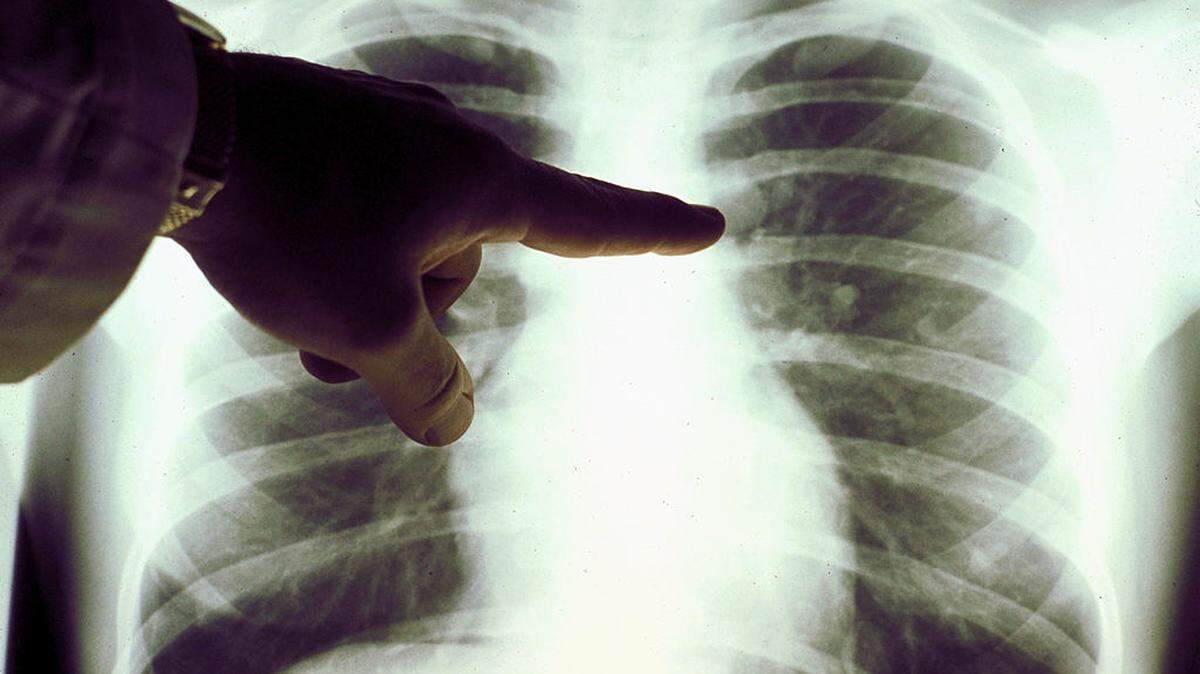
New research on a gene receptor called GPR133 and a yearlong prune trial are reshaping how scientists think about bone loss, especially for postmenopausal women, who carry the highest risk and have the fewest treatment options that go beyond simply slowing the damage.
What Is the GPR133 Receptor and Why Do Scientists Think It Matters?
GPR133 is a cell receptor that researchers at Leipzig University and Shandong University identified as a key regulator of bone density in a June 2025 study published in Signal Transduction and Targeted Therapy.
What makes it significant is how it works. When GPR133 is active, it simultaneously boosts osteoblasts, the cells that form new bone, and dials down osteoclasts, the cells responsible for breaking it down.
That dual action shifts the body’s internal balance toward building bone rather than losing it. Mice without the GPR133 gene developed bone loss closely resembling osteoporosis. When researchers turned the receptor on using a compound called AP503, that damage reversed. A separate Leipzig study also found AP503 strengthens skeletal muscle, which matters because bone and muscle loss frequently travel together in aging adults.
How Is This Different From Existing Osteoporosis Treatments?
Most current treatments work by slowing bone loss. What’s new here is the possibility of a compound that actively rebuilds bone by targeting the body’s own cellular machinery.
Existing medications like bisphosphonates are effective at reducing fracture risk, but they work primarily by inhibiting bone breakdown rather than stimulating new formation. A drug built around GPR133 activation could potentially do both at once, and if the muscle findings hold in human studies, it could address two of the most common consequences of aging simultaneously.
That’s the kind of mechanism pharmaceutical researchers look for when identifying new drug targets.
When Could a GPR133-Based Treatment Reach Patients?
There’s no timeline yet. The research is entirely preclinical, meaning all findings so far come from mouse models and lab settings.
Any drug built around GPR133 would need to clear multiple phases of human clinical trials before reaching patients, a process that typically takes years even for the most promising compounds.
The discovery matters now as proof of concept: it shows that bone loss may not be a one-way process if researchers can find the right switch. For anyone managing osteoporosis risk today, that’s reason for optimism about the long-term pipeline, not a near-term solution.
Can Eating Prunes Actually Help With Bone Density?
Yes, and the evidence is more rigorous than most nutrition studies produce. A 12-month randomized controlled trial led by Dr. Mary Jane De Souza at Penn State found that postmenopausal women who ate prunes daily preserved cortical bone density and estimated strength at the tibia, while the control group lost bone at the same site over the same period.
The trial, published in Osteoporosis International, used 3D imaging to measure volumetric bone density, bone geometry and estimated strength rather than a standard 2D scan, giving researchers a fuller picture of bone quality.
Both the 50-gram and 100-gram daily doses showed benefits, roughly five to six prunes at the lower end. A follow-up Penn State trial, funded by a USDA NIFA grant, is now looking at whether prunes can protect bone during the perimenopause transition, before the steepest losses begin.
Who Should Be Most Concerned About Bone Loss Right Now?
Postmenopausal women carry the highest risk. Nearly 1 in 5 women over 50 in the U.S. have osteoporosis, and women are four times more likely than men to be affected, largely because the drop in estrogen after menopause accelerates bone breakdown sharply.
What makes the risk especially easy to miss is that osteoporosis typically produces no symptoms until a fracture happens. By that point, significant density has already been lost. Researchers are increasingly focused on the perimenopause window as the right time for prevention, not a post-diagnosis conversation.
What Steps Can You Take for Bone Health Before a Treatment Like This Exists?
The prune findings offer the most immediately actionable step: a consistent daily serving of around 50 grams preserved tibial bone strength across the full 12 months of the Penn State trial. Consistency mattered more than dose size.
Beyond diet, weight-bearing exercise, adequate calcium and vitamin D intake, and limiting alcohol are all backed by current evidence for maintaining bone density. Anyone with a family history of osteoporosis or approaching menopause should ask their doctor about bone density screening before a fracture becomes the first signal that something is wrong.
This article was created by content specialists using various tools, including AI.