Can You Have Alcohol on Ozempic? What Experts Want You to Know Before Drinking a Cocktail
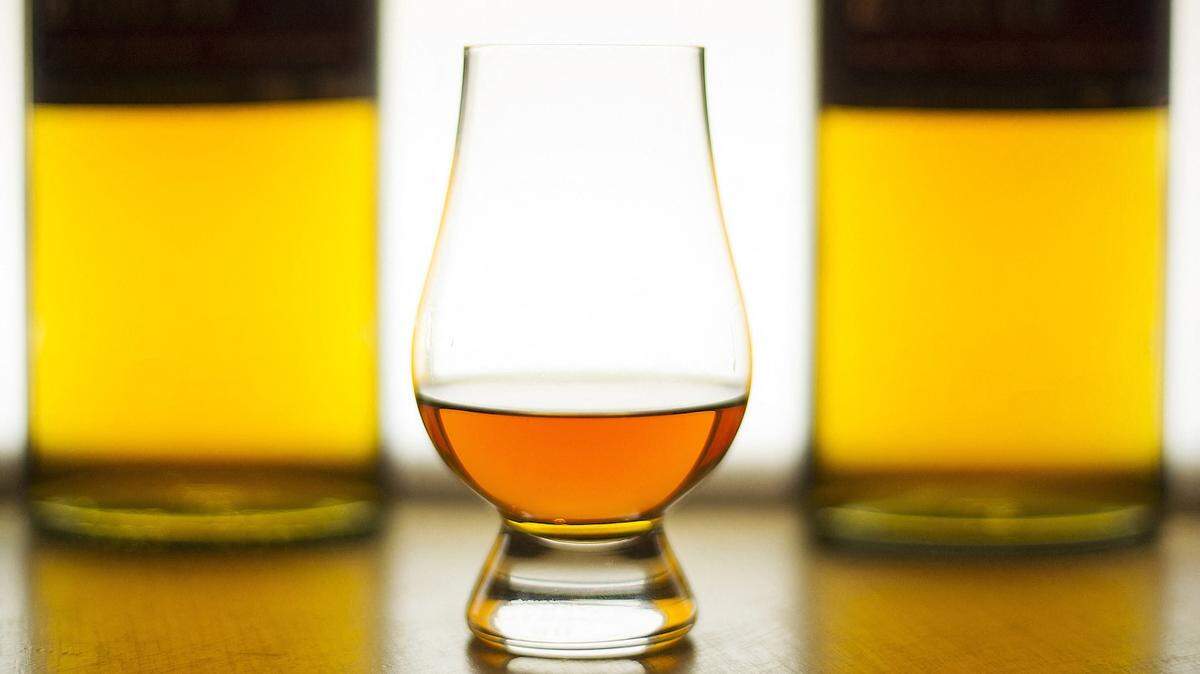
The buzz around Ozempic raises a practical question: what does drinking alcohol do to a weight loss effort?
Doctors interviewed about GLP-1 medications make a point about drinking and dropping pounds. Alcohol is mostly carbohydrates, and those calories add up fast without delivering nutrition.
“We advise patients to adhere to a primarily protein and vegetable diet, and alcohol is primarily carbohydrates, which will slow or even prevent weight loss,” said Dr. Mir Ali, a board-certified bariatric surgeon and medical director of MemorialCare Surgical Weight Loss Center at Orange Coast Medical Center, per Parade.
Dr. Christopher McGowan, an obesity medicine specialist at True You Weight Loss, told Parade the case against drinking for weight loss is straightforward — and that the idea certain drinks are “healthy” doesn’t hold up. “If you are trying to lose weight, alcohol isn’t going to help. The concept that a particular type of alcohol, like red wine, can benefit health is simply outdated and false. There are absolutely no health benefits of drinking alcohol.”
Why Drinking Can Hit Harder When You Eat Less
One reason GLP-1 patients are warned about alcohol is the same reason any dieter should pay attention: when you eat less, drinks land differently.
“There is no interaction between alcohol and semaglutide products like Ozempic,” said Diana Thiara, MD, medical director of the University of California San Francisco Weight Management Clinic, per WebMD. “But it is important to remember that your body’s response to alcohol may be different while on the medication. You may feel the effects more strongly, especially if you have lost a significant amount of weight or are not eating as much as you used to.”
Blood sugar is part of the equation, too. “Both GLP1 medications and alcohol can lower blood sugar,” said Dr. Michael L. Glickman, a triple board-certified family and obesity medicine physician who founded Revolution Medicine. “Fatigue, vision change, diminished concentration, headaches and drowsiness are features of low blood sugar — many of these overlap with intoxication.”
What the Research Suggests About Cravings
Some of the most interesting findings around Ozempic and alcohol involve cravings, and they hint at why simply cutting back on drinks may help anyone trying to lose weight. A nine-week clinical trial referenced by WebMD tested low-dose semaglutide against a placebo in people with alcohol use disorder. Researchers found semaglutide led to reductions in alcohol use by some but not all measures, significantly reduced alcohol cravings and led participants to smoke fewer cigarettes.
Thiara explained the working theory: “There are GLP-1 receptors in the parts of the brain that are involved with desire for food intake and alcohol intake. Agonizing these receptors leads to decreased interest in both food and alcohol.”
The takeaway for people without access to the medication: the appetite for alcohol and the appetite for food are linked in the brain. Reducing one often makes it easier to manage the other — something behavior-based programs have long emphasized.
Real-World Stories of Cutting Back
Patients on GLP-1 medications describe a shift in their relationship with alcohol that anyone trying to drink less might recognize.
“I remember going to dinner for the first time [while taking Ozempic]. I ordered a beer, took a sip, and I couldn’t finish it,” J. Paul Grayson told KPBS. “You know how sometimes you taste a beer, and it’s like, ‘Oh my God, this tastes so good that I want to guzzle it.’ Well, I didn’t feel like guzzling. I just really felt like sipping it.”
He added: “Before Ozempic, I could consume a whole bottle of wine in an evening without trying real hard, along with a bag of chocolates. But with Ozempic, even one beer didn’t feel good to me somehow.”
Meg Johnston, another patient, described a similar shift. “Many days I don’t drink at all. It’s hard to explain why. Alcohol just doesn’t sound as appetizing or appealing. And now my tolerance is lower, too.”
“This has been a welcome change for me,” she added. “During those first couple of weeks of taking the drug, I was very much focused on not vomiting and making sure I continue to have bowel movements. I just knew alcohol was going to make me feel terrible afterwards.”
Long-Term Risks Worth Knowing
Doctors warn that heavy drinking carries serious risks regardless of whether someone is on a GLP-1 medication. GoodRx notes: “A drink or two every now and then may not be a big deal with Ozempic. But if you combine Ozempic with long-term or heavy alcohol use, you may be at higher risk for two serious complications: pancreatitis and kidney damage.”
Dehydration from nausea, vomiting or diarrhea — common during dieting and especially during GLP-1 treatment — can compound kidney risks.
“Pancreatitis has been reported in association with use of [GLP-1 medications],” Dr. Johnson-Rabbett said, per Everyday Health. “Alcohol is one of the most common causes of pancreatitis. Though there is no clear evidence that being on a [GLP-1 drug] increases risk of pancreatitis specifically due to alcohol intake, caution is warranted.”
Practical Takeaways If You’re Skipping the Shot
For readers managing weight without a prescription, the doctors’ advice translates simply: drink less, hydrate more and talk to a physician about your goals. Anne McTiernan, MD, PhD, an internist and epidemiologist at Fred Hutchinson Cancer Center in Seattle, suggested swapping drinks for something else entirely.
“If a person on GLP-1 finds they have lost interest in alcohol, I’d say enjoy that feeling, pass on the drink, and celebrate with sparkling water or something else nonalcoholic,” she said. “There are many excellent nonalcoholic drinks available now.”
She also pointed to standard public health guidance that applies to everyone: “Usual guidelines for the general population now are no more than one drink per day for women and two drinks per day for men, to avoid much of the adverse effects of alcohol.”
Information regarding health and well-being is provided for awareness, education and general information. Health benefits of various medicines, diets, weight-loss strategies and foods are the opinions of the authors and/or those they interviewed, and there may be differing views on many of the topics covered, including evolving research, opinions, benefits and efficacy. This article is meant to inform the general reader and is not a substitute for medical advice from a physician or nutritional advice from a dietitian and/or nutritionist. Please refrain from starting, stopping or consuming any medication or regimen without the supervision of a trained physician. Please beware that in this emerging field of research, medications could cause adverse effects and problems not reported here. Please consult a doctor if you have chronic ailments or feel adverse side effects after starting a drug, nutrition or weight-loss regimen, and do not ingest, inject or otherwise use items to which you have sensitivities or may be allergic. Readers should consult a licensed health care professional who knows their personal medical history on matters relating to their health and well-being, including being aware of potential interactions with medications they are taking and conflicts with other wellness-related goals. Patients seeking treatment for weight loss should consult a physician trained in management of overweight or obesity.
This article was created by content specialists using various tools, including AI.