Dr. Andrew Weil's 4-7-8 Breathing Method Dropped Sleep Scores From 13 to 4 in a 2025 Study: Here’s How
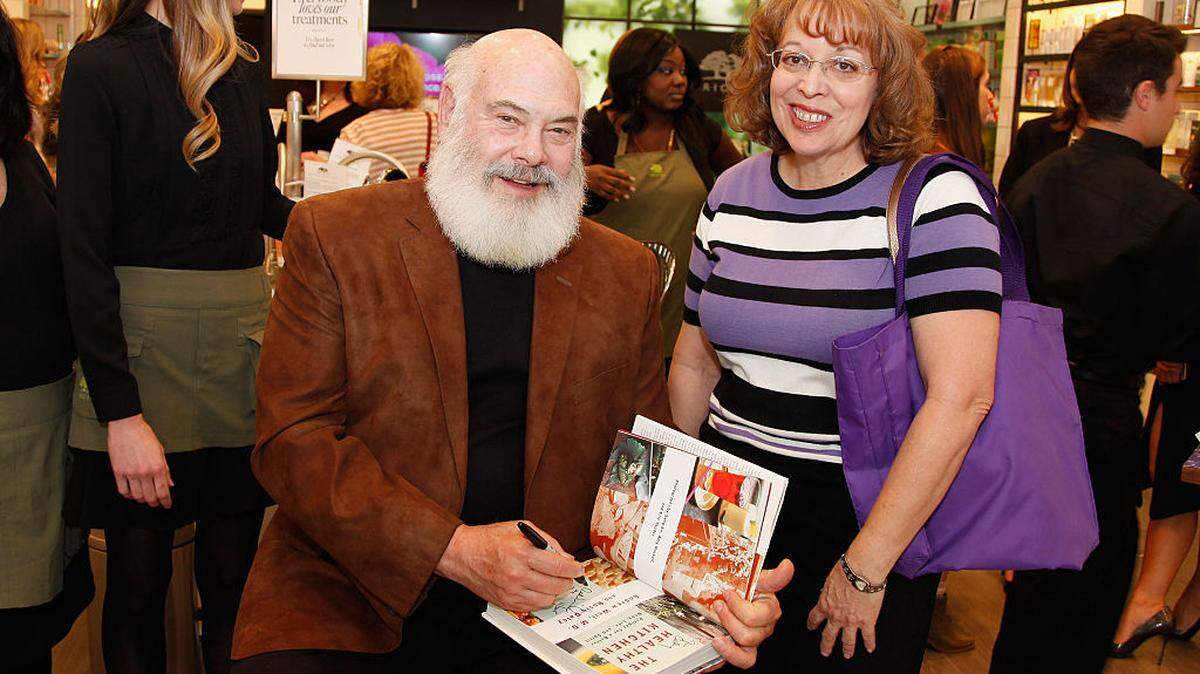
Nervous system regulation has become the dominant wellness conversation of 2026, and one free, 19-second technique keeps coming up as the entry point. The 4-7-8 breathing method, which has you inhale for 4 seconds, hold for 7 and exhale for 8, is showing up in therapy offices, sleep coaching sessions and the daily routines of people tracking HRV on wearables. It’s being credited with calming racing minds at bedtime and dialing down anxiety on demand.
The question worth asking before you try it: does the science actually back it up, or is it just a searchable trend? The honest answer sits somewhere in between, and that’s exactly what makes it worth understanding.
How the 4-7-8 Breathing Method Works
The pattern is simple. You inhale through the nose for 4 seconds, hold for 7, then exhale through the mouth for 8. Dr. Andrew Weil developed the technique as an adaptation of pranayama, the ancient yogic practice of breath regulation. It doesn’t require equipment, training or a subscription, which is a big part of why it’s spread.
What sets it apart from generic deep breathing is the specific ratio. The extended 8-second exhale and the 7-second hold aren’t arbitrary. That structure is what drives the physiological shift the method is known for.
The Science Behind 4-7-8 Breathing and Your Nervous System
Slow, controlled breathing increases parasympathetic activity, your body’s “rest and digest” mode, while suppressing the sympathetic stress response that keeps you wired. The long exhale directly stimulates the vagus nerve, the body’s primary brake on stress. The breath hold is believed to further raise vagal tone, which brings down stress hormones and lifts heart rate variability.
For anyone tracking HRV on an Oura Ring or WHOOP, that’s the same physiology behind those morning scores. The 4-7-8 method is essentially a free, manual way to move that number.
What Studies Say About 4-7-8 Breathing for Anxiety and Sleep
A 2025 scoping review following PRISMA guidelines analyzed 15 studies and identified five consistent findings across the research: reduced stress and anxiety, improved cardiovascular markers, adaptability across clinical and community settings, preventive benefits for healthy individuals and parasympathetic activation via vagal pathways.
A randomized controlled trial of 90 bariatric surgery patients found the 4-7-8 group showed significantly lower anxiety scores than both a generic deep-breathing group and a control group. That gap matters because it suggests the specific ratio does something that slower breathing alone doesn’t fully replicate.
A lab study of 43 healthy young adults measured what happens in the body immediately after three sets of 4-7-8 breathing. Heart rate dropped, systolic blood pressure fell and heart rate variability rose, which are direct, measurable signs of a parasympathetic shift.
For sleep specifically, a 2025 study of COPD patients found sleep quality scores on the Pittsburgh Sleep Quality Index dropped from 13.33 before the intervention to 4.93 after regular practice. Lower scores mean better sleep quality.
What the 4-7-8 Breathing Method Can’t Do
Direct clinical trials built specifically around 4-7-8 breathing and sleep onset are still limited. Most of the case for sleep draws from the broader slow-breathing research base rather than trials designed around this exact pattern. That’s worth knowing before you treat it as a guaranteed fix.
Benefits also tend to take days to weeks of consistent practice to appear. One session won’t knock you out, and expecting it to will lead to disappointment.
Who Shouldn’t Try 4-7-8 Breathing Without Checking First
The 7-second breath hold can feel uncomfortable for beginners or anyone with limited lung capacity. It isn’t a good fit for people who already struggle with breathlessness or who have respiratory or cardiovascular conditions, so checking with a doctor first is worth it.
A gentler entry point is a modified ratio of 2-3.5-4 seconds. You still get the extended exhale, which is the part driving most of the effect.
Why the 4-7-8 Breathing Method Is Trending in 2026
The technique fits the current moment. Nervous system regulation has moved from niche wellness language into mainstream conversation, wearables have made HRV a household metric and people are looking for practices they can actually control.
This one costs nothing, takes under a minute and produces a measurable physiological change, which is a rare combination in a space crowded with expensive products and complicated protocols.
This article was created by content specialists using various tools, including AI.
This story was originally published May 21, 2026 at 3:15 PM.