Coffee at Home vs. The Café Habit: Does Savings Math Really Add Up to a Vacation or Car Payment?
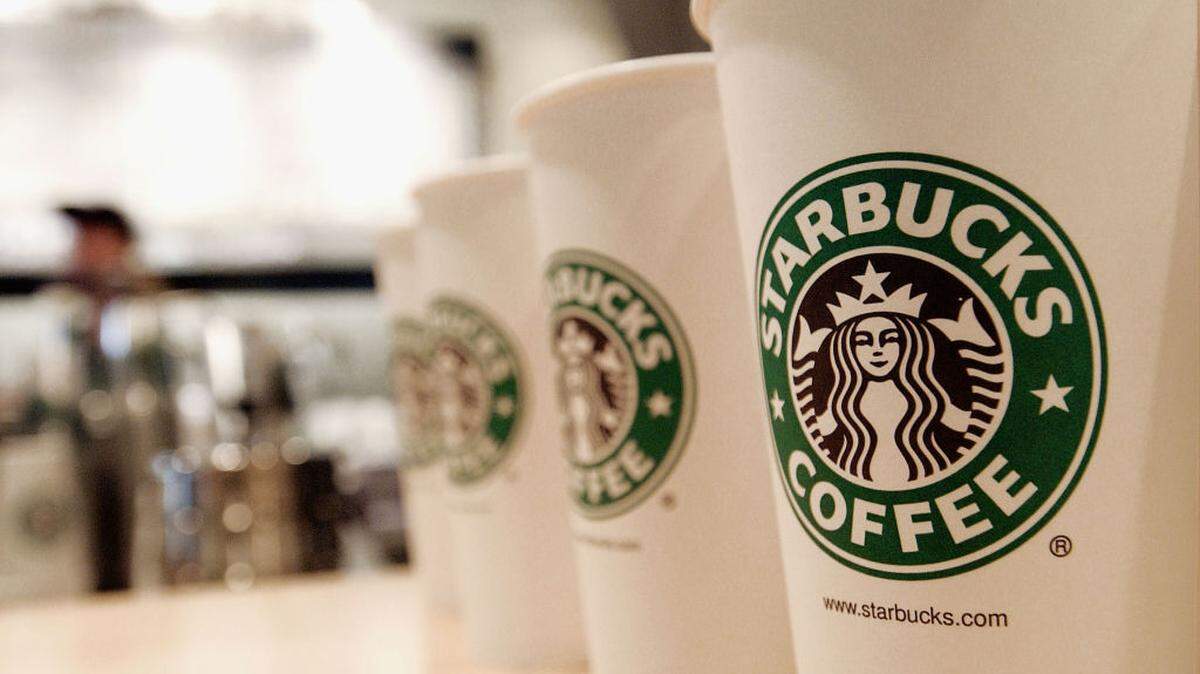
With coffee prices climbing and budgets tightening, more Americans are asking whether brewing at home is actually worth the effort. The short answer is yes, and the savings stack up faster than most people expect.
How Much Money Can You Save by Making Coffee at Home in 2026?
More than most people realize. A cup brewed at home costs roughly 25 to 50 cents. A café drink runs $5 to upwards of $7. That’s around $2,000 a year for daily drinkers, or meaningful monthly savings if you cut back just three visits a week.
Bureau of Labor Statistics data cited by the Senate Banking Committee shows coffee prices jumped 18.4% between February 2025 and February 2026, with no relief expected soon. And if you’re already rethinking your routine, this breakdown of what drives the afternoon energy slump is worth a look too.
A YouGov survey found 66% of Americans expecting financial strain this year plan to cut back on eating and drinking out. For many households, revisiting the coffee habit isn’t a lifestyle experiment but a practical budget call. A French press or pour-over setup has a low barrier to entry, requires no pods and produces dozens of cups per bag of beans.
What Tools Make the Biggest Difference for Home Coffee Brewing?
Three things move the needle most: a burr grinder, a milk frother and a manual brewer.
CoffeeGeek’s analysis found K-Cups can cost the equivalent of $21 to $43 per pound, while quality whole beans run $9 to $22 — and whole beans stay fresh far longer than pre-ground. A burr grinder in the $30 to $150 range, per CoffeeMindset’s 2026 guide, grinds to a uniform size that extracts flavor evenly.
A handheld frother under $20 handles the steamed milk texture most café orders are built around. Together with a French press or Chemex, a full starter kit comes in under $200 and pays for itself within weeks.
What Are the Healthiest Add-Ins for Home Coffee?
Cinnamon is the strongest starting point. A 2025 umbrella review in Frontiers in Nutrition found cinnamon supplementation significantly associated with improvements in fasting blood glucose and lipid profiles. A pinch in the grounds before brewing adds natural sweetness with no sugar.
Unsweetened cacao powder is cardiologist-endorsed and linked to healthy blood pressure and cholesterol support, with zinc, iron and magnesium as added nutritional value. A pinch of salt has legitimate science behind it too — around 0.5g per liter suppresses bitterness without making the cup taste salty, especially useful for dark roasts.
Collagen peptides dissolve cleanly without changing flavor, and warming spices like cardamom, ginger and nutmeg add complexity with no sugar or creamer needed.
What About Functional Add-Ins Like MCT Oil and Ashwagandha?
These are showing up in commercial functional coffee blends at a significant markup — but you can add them at home for a fraction of the cost.
A June 2025 Healthline review with registered dietitian oversight notes MCT oil can serve as a quick energy source and may support weight management. Start with a teaspoon — too much too fast can cause digestive discomfort.
Ashwagandha powder stirs easily into any home brew, and a 2025 meta-analysis in BJPsych Open covering 873 participants found it significantly reduced cortisol and anxiety compared to placebo. Check with your doctor first if you’re pregnant or on thyroid medication.
This article was created by content specialists using various tools, including AI.
This story was originally published May 20, 2026 at 3:00 PM.