What Are PFAS? Everything You Need to Know About Forever Chemicals Hiding in Your Tap Water and Home
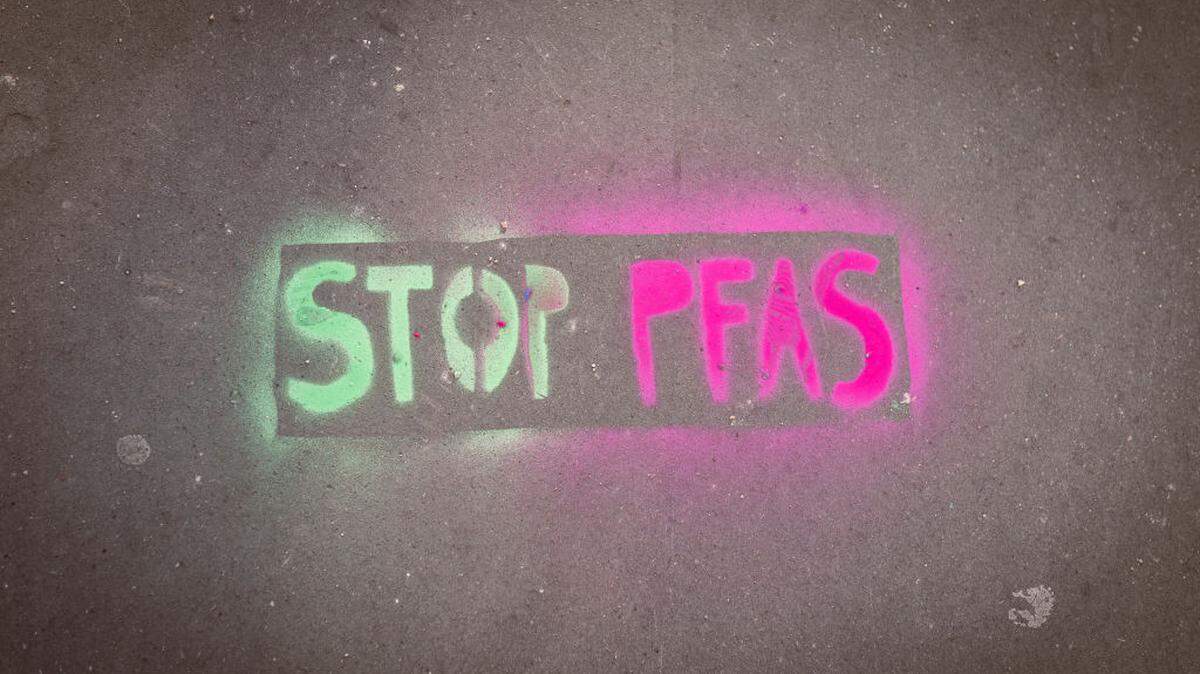
The federal government has been loosening PFAS rules at the exact moment scientists are finding more of these “forever chemicals” in everyday products. That leaves it to you to figure out what’s coming through your kitchen tap — and what’s hiding in your cookware, your rain jacket and the carpet under your feet.
PFAS, short for per- and polyfluoroalkyl substances, are a class of synthetic chemicals linked to cancer, immune issues and developmental problems.
The EWG estimates more than 200 million Americans have PFAS in their drinking water at levels above 1 part per trillion. In 2025 alone, 350 PFAS-related bills landed in 39 state legislatures, making this one of the fastest-moving consumer safety issues in the country.
For more information: Countertop Water Filter: Everything You Need to Know Before You Buy One in 2026
How To Check Your Tap Water for PFAS Right Now
Start free. Enter your ZIP code into the EWG Tap Water Database, and you’ll see what your local utility has detected, scored against both the federal legal limit and stricter health-based guidelines. You can also request your utility’s annual Consumer Confidence Report — it’s required by law and usually available online.
One caveat: those results reflect testing at the treatment plant, not necessarily what’s coming out of your faucet. And if your utility shows “not detected,” that may mean it hasn’t tested yet. Federal UCMR 5 testing ran through 2025 and not every system has reported.
When a Home PFAS Test Is Worth the Money
The database doesn’t cover private wells, which the EPA doesn’t regulate. If you’re on a well — or live near a military base, airport, industrial site or farmland — the EPA and CDC recommend testing at least once a year.
Skip the test strips. No instant strip or TDS meter can detect PFAS — it requires parts-per-trillion sensitivity and specialized lab equipment. Mail-in kits are the only reliable consumer option. Tap Score runs $335 for 14 PFAS compounds and is recommended by Wirecutter. SimpleLab falls in a similar range. Run the tap two to three minutes before collecting, use only the sterile bottle provided and keep the sample away from nonstick or treated surfaces.
Where Else PFAS May Be Hiding in Your Home
PFAS don’t stop at the tap, according to the NRDC.
- Nonstick cookware. PTFE — better known as Teflon — is itself a PFAS. Scratched pans leach more. Minnesota banned PFAS cookware as of Jan. 1, 2025; Colorado, Connecticut, Maine and Vermont bans took effect Jan. 1, 2026.
- Food packaging. Fast food wrappers, microwave popcorn bags and pizza boxes were historically grease-proofed with PFAS. The FDA confirmed those agents are no longer sold in the U.S. as of February 2024, but older inventory still circulates.
- Outdoor gear and activewear. Water-resistant DWR coatings on rain jackets and ski gear long relied on PFAS. Most U.S. rain shells now use PFAS-free chemistry, driven by California’s AB 1817 and New York textile rules effective January 2025. Gear bought before 2025 may still contain it.
- Carpet, upholstery and cosmetics. Stain-resistant treatments accumulate in household dust. Certain mascaras, foundations and dental flosses also use PFAS as texture or coating agents.
Simple Swaps To Cut Your PFAS Exposure Today
Replace scratched nonstick pans with stainless steel, cast iron or certified PTFE-free and PFOA-free cookware — surface degradation begins before flaking is visible. Move fast food and microwave-bag contents to glass or ceramic before reheating.
When you replace outdoor wear, look for PFAS-free DWR labels or bluesign certification. Patagonia completed its PFAS-free transition for waterproof products in spring 2025; Levi’s and UNIQLO have made similar commitments.
Vacuum carpets and upholstery frequently with a HEPA filter to pull down dust-bound PFAS and skip aftermarket stain-resistant treatments. In the kitchen, remember most households filter drinking water but cook pasta, rice and soup in unfiltered tap — a countertop reverse osmosis unit or NSF P473-certified filter at the sink covers both. EPA Safer Choice labeling is a useful baseline screen for sprays and fabric protectors.
This article was created by content specialists using various tools, including AI.
This story was originally published May 14, 2026 at 2:30 PM.