
Gardening Season Starts Now: The Best Plants and Vegetables to Grow in Early Spring for Beginners
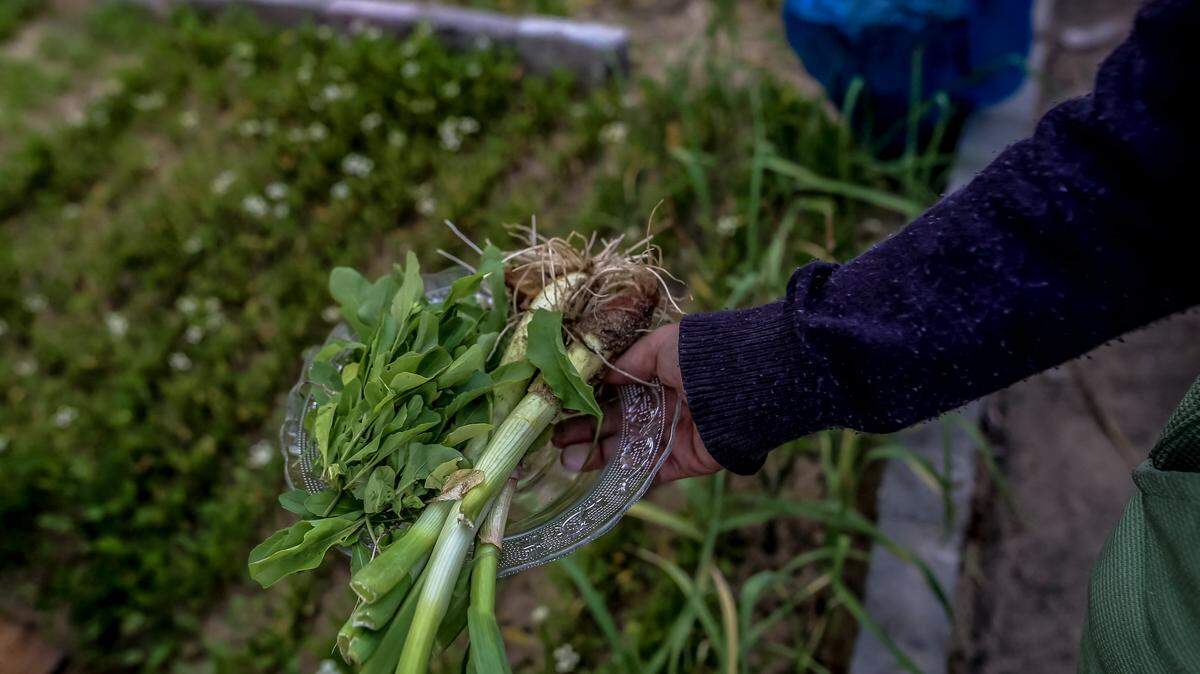
Early spring is the season that separates wishful gardeners from productive ones. The soil is still cool, the days are getting longer, and a surprising number of vegetables, herbs and flowers actually prefer these conditions to the heat of summer. If you’ve been waiting for the “right time” to start gardening, this is it — and you have more options than you might think.
From peas climbing a trellis to pansies brightening a front step, early spring rewards gardeners who plant cold-hardy crops before the last frost. Here’s what to put in the ground first, and how to make the most of the cool-weather window.
Best vegetables to plant in early spring for a strong harvest
Cool soil and chilly nights aren’t obstacles for the right crops — they’re an advantage. Several vegetables actually develop better flavor and texture when they mature in cooler temperatures, which is why experienced gardeners rush to get them planted as soon as the ground can be worked. Many of these crops grow quickly, meaning you can harvest before summer heat sets in and use the same garden space for warm-season plants later.
- Radishes — one of the fastest crops, ready in just a few weeks
- Leafy greens (lettuce, spinach, kale) — thrive in cool soil and grow quickly Carrots — prefer cooler temps for sweeter flavor
- Peas — climb early trellises and handle light frost
- Onions and scallions — low maintenance and cold-tolerant
- Beets — both roots and greens are edible
According to a Martha Stewart article by Madeline Buiano and Katelyn Chef, lettuce is one of the earliest vegetables gardeners can plant in spring thanks to its ability to thrive in cooler temperatures. Landscape designer Ben Gordon of Metropolitan Garden and Design notes that harvesting the outer leaves first allows the inner leaves to continue growing, with many varieties ready to harvest by April or May.
Early spring flowers that handle cool nights and bring instant color
Vegetables may be the practical pick, but flowers are what make a spring garden feel like spring. Several varieties tolerate cool nights and even light frost, giving you color weeks before warm-weather annuals are safe to plant. Some are quick bloomers that fill in fast, while others — like daffodils and tulips — are planted earlier in the season and reward you with the first real signs of life in the yard.
- Pansies and violas — survive chilly nights and add color early
- Daffodils and tulips — classic spring bloomers planted earlier in the season
- Snapdragons — tolerate cooler temps and bloom for weeks
- Marigolds (in warmer early spring areas) — help deter pests later in the season
- Sweet alyssum — low-growing and pollinator-friendly
One old-fashioned favorite worth highlighting: sweet peas. Arricca Elin SanSone writing for Good Housekeeping describes how this vining bloomer climbs beautifully up a trellis, showing off delicate, sweetly scented flowers in shades of white, pink, lavender and fuchsia. Plant the seeds about 6 to 8 weeks before the last expected frost in your area.
Cold-tolerant herbs to start now for fresh flavor
Herbs are one of the most rewarding additions to an early spring garden, partly because so many of them genuinely prefer cool weather. Cilantro, for example, bolts in summer heat — meaning early spring is the only window to get a meaningful harvest before the plant goes to seed. Others, like chives, return year after year with almost no effort. Most cold-tolerant herbs are also forgiving for beginners, making this a good place to start if you’re new to growing your own.
- Parsley — one of the most cold-tolerant herbs Cilantro — bolts in heat, so early spring is ideal
- Chives — come back year after year with little effort
- Dill — grows quickly in cooler temperatures
- Mint — spreads easily, best grown in containers
A note on mint: it’s a fantastic herb, but it’s aggressive. Containing it in a pot keeps it from taking over the rest of your garden bed.
Cold-hardy plants that shrug off late frosts
Some plants don’t just tolerate cool weather — they actively prefer it. These cold-hardy crops are the backbone of an early spring garden, capable of withstanding light frosts and continuing to produce as temperatures slowly warm. They’re particularly useful for gardeners in cooler climates or those who want to extend the growing season on both ends, planting in early spring and again in late summer for a fall harvest.
- Kale
- Spinach
- Broccoli seedlings
- Cabbage
- Swiss chard
- Peas
How to know when it’s safe to plant in your area
The single most useful piece of information for any spring gardener is the date of the last expected frost in your region. Many of the plants on these lists — sweet peas, peas, cold-hardy greens — should go in the ground several weeks before that date, while others benefit from being started indoors and transplanted later. Checking your local frost date and reading seed packets carefully will save you from planting too early or too late.
If you’re unsure, start with the most forgiving crops on these lists: radishes, leafy greens and chives are nearly foolproof and will give you a quick win to build on.
This article was created by content specialists using various tools, including AI.