No More “Just Take a Deep Breath.” These Popular Breathwork Apps Can Actually Help With Anxiety
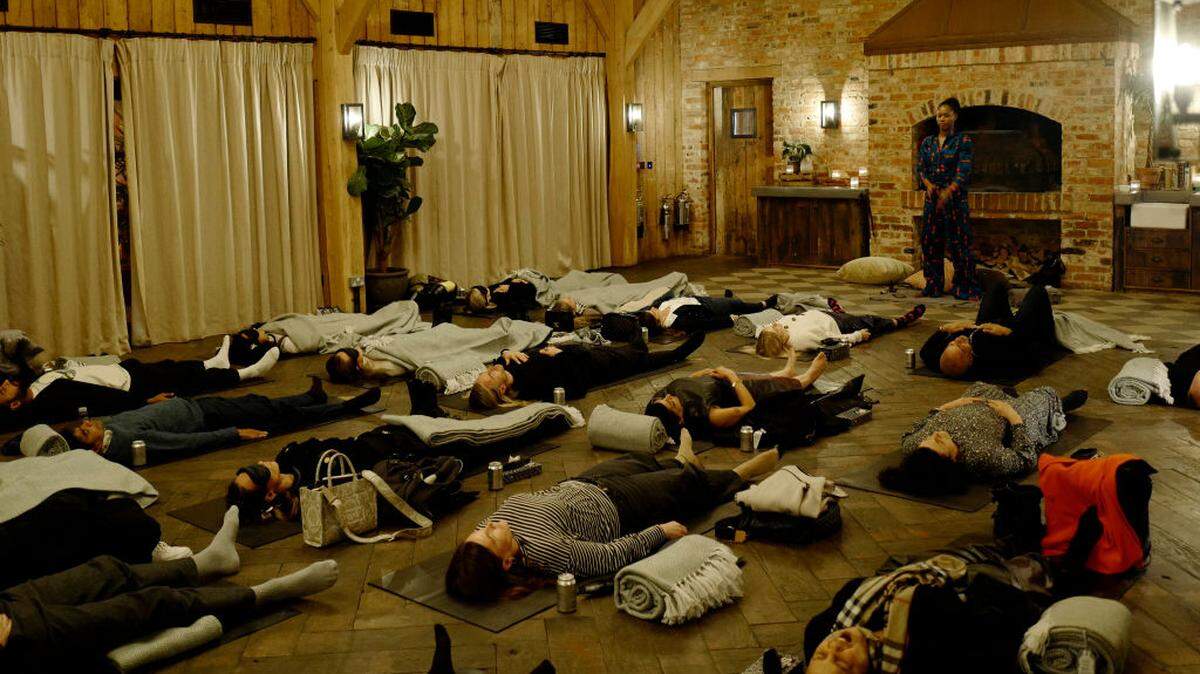
“Just take a deep breath” is one of the most common pieces of stress advice ever handed out, and one of the least useful. Without instruction on pace, depth or pattern, a random deep breath often does very little for anxiety, and in some people it can actually make panic worse.
That gap between generic advice and what actually works is why breathwork has moved into the mainstream through a wave of consumer apps. Structured, intentional breathing protocols were once reserved for yoga studios, Navy SEAL training and clinical trauma settings. New research published in late 2025 and early 2026 is starting to back up what practitioners have long observed: when you breathe with intention, your nervous system responds.
If you’ve already been curious about body-based stress tools, this connects directly to what somatic exercises are and how they work, since breathwork is one of the core somatic practices used to regulate the nervous system.
Why “Just Take a Deep Breath” Doesn’t Work for Anxiety
Breathing is the only autonomic nervous system function you can consciously control, which makes it a direct manual override on your stress response. The catch is that most people have never been taught how to use it.
The difference between a random deep breath and a structured breathwork practice is physiological: slow, extended exhales activate the vagus nerve and parasympathetic nervous system within seconds, triggering measurable drops in heart rate, blood pressure and cortisol. A random inhale doesn’t do that, according to Mindful Suite.
That’s why pace, ratio and method matter. Box breathing, the protocol Navy SEALs use as a standard stress tool, follows a specific four-count rhythm. Conscious Connected Breathwork uses continuous, rhythmic inhales and exhales. The Wim Hof Method cycles through rounds of rapid breathing followed by breath retention. Each technique targets the nervous system differently, and the structure is the active ingredient.
What New Research Shows About Breathwork for Anxiety
Several recent studies have started to quantify what breathwork actually does to anxiety, and the results are striking. A January 2026 randomized controlled trial published in the Journal of Affective Disorders found that Conscious Connected Breathwork produced a large effect size of d = 1.44 for anxiety reduction over six weeks, the largest sample RCT on this type of breathwork ever conducted. The breathwork group reduced anxiety scores by more than 10 points, compared with under 2 points in the control group.
Other recent work points in the same direction. A 2025 narrative review published in PMC found that even a single two-minute slow breathing session increased heart rate variability, with larger effects specifically in women and older adults.
A December 2025 semi-randomized controlled trial in Scientific Reports following 404 adults over 29 days found the Wim Hof breathwork method produced greater momentary improvements in energy, mental clarity and stress handling than standard mindfulness meditation.
The Best Breathwork Apps to Try in 2026
The app market has expanded quickly and the better options are now built around specific physiological goals rather than vague “calm” promises. A few worth knowing:
- Othership: Music-driven and somatic-informed, with more than 500 sessions covering both up-regulating practices (energy, focus) and down-regulating ones (sleep, stress relief). $17.99 per month.
- Breathwrk: Goal-specific sessions sorted by sleep, focus and calm, now included with Peloton membership.
- Open: Uses real-time heart rate variability biofeedback through your phone’s camera, built on a neurobiology-informed approach.
- Pausa: Built by founders who experienced panic attacks, designed specifically for people who don’t consider themselves meditators.
- Wim Hof Method app: The official app for the method studied in the December 2025 Scientific Reports trial.
The right pick usually comes down to whether you want a guided music-led experience, biometric feedback or short goal-targeted sessions you can fit between meetings.
Celebrities Who Use Breathwork for Stress
Breathwork’s mainstream moment has been pushed along by public figures who credit it for managing anxiety, performance pressure and chronic stress. David Beckham has publicly stated that breathwork helped him manage OCD-related behaviors, according to Hola, which also names Gisele Bündchen as a regular practitioner. Tracee Ellis Ross demonstrated breathing techniques on Instagram, citing them as her personal stress regulation tools, according to Marie Claire.
The pattern across these public mentions is consistent: breathwork is being used as a daily nervous system tool, not a one-off wellness experiment.
What to Know Before Starting a Breathwork Practice
Breathwork sits inside a broader category of somatic, body-based tools for nervous system regulation, and it works because of what’s happening physiologically, not because of any one technique’s branding. The structure is the point. A 30-second random inhale is not the same as a 10-minute box breathing session.
Some techniques, particularly faster-paced ones like Wim Hof or certain Conscious Connected Breathwork protocols, can produce intense physical sensations including tingling, lightheadedness or emotional release.
People with cardiovascular conditions, a history of seizures or who are pregnant should check with a clinician before starting. Slower, longer-exhale practices are generally the gentlest entry point and the ones most directly tied to vagus nerve activation in the research.
The latest science makes one thing clear: breathwork is one of the few stress tools where the mechanism, the dose and the effect are starting to be measurable. The advice to “just take a deep breath” was never wrong exactly. It was just incomplete.
This article was created by content specialists using various tools, including AI.
This story was originally published May 5, 2026 at 11:29 AM.