Why Run Clubs Are the New Dating Apps for Young Singles — Everything You Need to Know
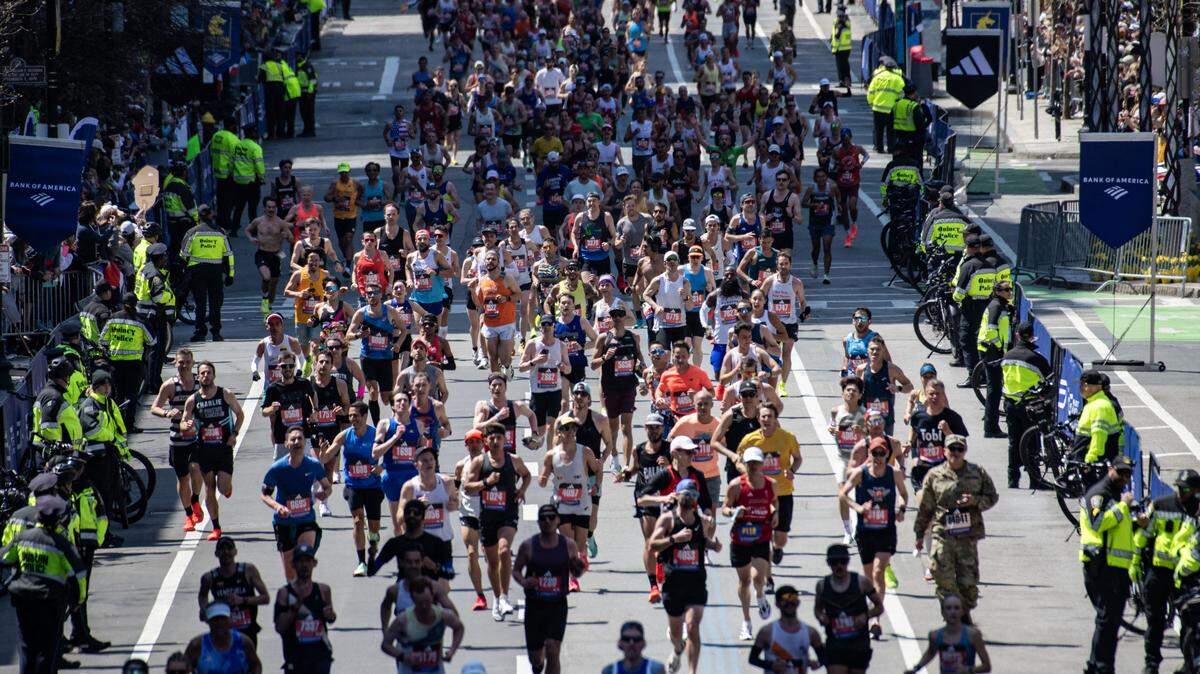
Lacing up at 6 a.m. with strangers has quietly become one of the most popular ways for young adults to meet people — friends, dates and everything in between. If you’ve searched “run club near me” recently, you’re part of a wave reshaping how a generation socializes, and it’s pulling people away from bars, apps and nightclubs in the process.
Run clubs have become one of the fastest-growing social spaces for younger adults, gathering outside coffee shops, parks and tracks for weekday evening runs and weekend meetups. Strava data shows club participation has surged in the last two years, and many of those new members aren’t just chasing a personal best — they’re looking for connection.
Why Run Clubs Are Replacing Dating Apps
The shift comes down to social fatigue. Many younger people say they’re tired of surface-level interactions tied to bars, dating apps and nightlife, and they’re swapping swipes for sneakers. According to research by LADbible Group, around 72 percent of Gen Z report joining run clubs specifically to meet new people, and many describe them as a replacement for dating apps because the interaction feels more direct and less performative.
Dating apps remain widespread but divisive. According to the Pew Research Center, at least 30 percent of American adults have used dating apps at some point, and users are fairly evenly split between finding the experience a net positive or a net negative. Just over half say the apps have been “very or somewhat positive.”
Fitness coach and content creator Tom Trotter explained the appeal to Vogue by saying, “You’re being as real as possible.”
“On a date, people are dressed up and act a certain way; maybe being a bit materialistic. You never want to build a relationship on an artificial foundation,” he said.
What to Expect From a Run Club Meetup
Most run clubs are free, recurring and low-pressure. People show up in workout clothes, run a set route together — usually a few miles at a conversational pace — and often grab coffee or a drink afterward. The format strips away the performance of a first date and replaces it with shared effort, which is exactly why participants say it works.
Dr. Zac Turner compared the trend to dating apps in a column republished by the New York Post.
“Run clubs are being hailed as the new Tinder, and honestly, it makes sense,” he wrote. “You’re meeting new people, bonding over shared suffering, and everyone’s already in activewear, which saves you from awkward first-date wardrobe decisions.”
He added, “It’s also a natural way to connect—no ghosting, no swiping through bios where someone’s only personality trait is ‘loves the gym and crypto.’ And if nothing else, at least you walk away with a good workout.”
There’s a broader lifestyle shift behind the trend, too. Younger adults are drinking less, spending more on fitness and prioritizing routines that support physical performance and mental clarity. Going out is expensive, while most run clubs are free. Nightlife is declining while fitness-centered social spaces continue to grow.
The Health Upside of Joining a Local Run Club
Beyond the dating angle, group exercise carries measurable benefits. People who train with others are more likely to stay consistent with fitness habits and often report lower stress levels, meaning the social and health benefits happen at the same time. For anyone who has tried and abandoned a solo running routine, the accountability of a regular group meetup can be the difference between a hobby that sticks and one that fizzles out by February.
Dating experts note that the same logic applies beyond running. The best way to meet people is often through shared-interest spaces — whether that’s open mic nights, poetry circles, hiking groups or other recurring activities built around something people genuinely enjoy.
How to Find a Run Club Near You
Finding a run club near you is easier than it used to be, thanks to a handful of dedicated tools and a little local digging. Most cities have several free options at different paces, distances and times of day, so it’s worth trying a few before settling on a regular crew. Here are the best places to start your search:
- Run Club Search and similar dedicated databases that map clubs by city
- Strava, where local clubs post routes and scheduled meetups
- Meetup, which lists running groups alongside other shared-interest gatherings
- Facebook and Instagram, where regional run clubs often post their weekly schedules and meeting spots
- Local running stores, which frequently host or sponsor weekly group runs
Show up once, see if the pace and vibe fit, and don’t worry if the first one isn’t right. Part of the appeal of the run club boom is that there’s almost always another group meeting a few blocks away.
This article was created by content specialists using various tools, including AI.