
Prebiotic Sodas Are Everywhere: What They Are, How They Work, and If They’re Actually Good for You
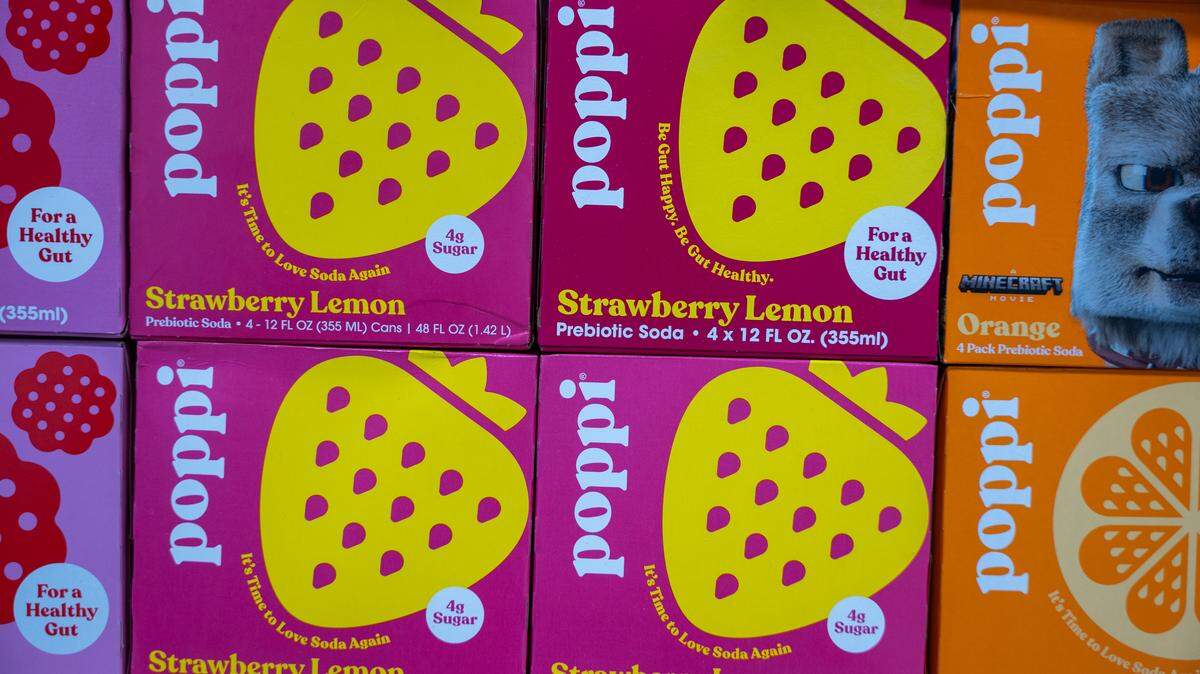
Prebiotic sodas have surged from niche health-store curiosity to mainstream grocery aisle staple, marketed as a guilt-free swap for sugary soft drinks with the added promise of supporting gut health. Brands tout dietary fibers, lower sugar counts and benefits for the trillions of bacteria living in your digestive system. But nutrition experts say the reality is more nuanced — and consumers should understand both what these drinks can and cannot do before making them a daily habit.
Here is what registered dietitians and health experts are saying about prebiotic sodas, the science behind them and whether they live up to the marketing.
What prebiotic soda actually is
Prebiotic sodas differ from traditional sugar-filled soft drinks because they contain dietary fibers designed to feed the beneficial bacteria in your digestive system. The fibers themselves are not absorbed by the body in the typical way other nutrients are. Instead, they serve a different purpose entirely — acting as fuel for the microbiome.
According to Health Cleveland Clinic, “Prebiotic soda is a beverage that contains dietary fibers called prebiotics. Your body can’t digest these fibers. Rather, prebiotics serve as food for your microbiome, aka the trillions of good bacteria in your gut.”
The potential benefits for gut health
The appeal of prebiotic soda goes beyond simply cutting sugar. Registered dietitians point to the broader role gut bacteria play in overall wellness — including immunity, digestion and protection against harmful pathogens. For people who already drink soda regularly, swapping in a prebiotic version can offer a meaningful change in their daily habits.
Registered dietitian Julia Zumpano, RD, LD, told Health Cleveland Clinic, “It’s essential to keep your gut bacteria healthy because they do more than help you digest food. hey play a huge role in immunity and your overall health.”
Lauren Manaker M.S., R.D.N., L.D told Prevention: “prebiotics may help strengthen the gut barrier, which acts as a protective shield to keep harmful pathogens out of your bloodstream. While prebiotics aren’t a magic bullet for immunity, they’re a powerful tool in your overall wellness arsenal.”
Key potential benefits include:
- Lower sugar content than regular soda
- May support gut bacteria
- Can be a better swap for habitual soda drinkers
Why some experts are skeptical of the marketing claims
Not every nutrition professional is convinced that prebiotic sodas deliver the transformative gut health benefits suggested by marketing campaigns. Some dietitians caution that drinking a can of soda — even one fortified with fiber — is unlikely to overhaul your digestive health on its own. Broader dietary patterns matter far more than a single beverage swap.
Jaclyn London, M.S., R.D., C.D.N., podcast host of The Business of Wellness, told Prevention, “I’m skeptical of the ‘gut health’ marketing claims being made by all of these brands, and I think we need to level-set on the idea that these drinks can have a profound effect on your gastrointestinal/digestive health without making other, more significant changes to one’s eating pattern.”
Possible side effects to watch for
While prebiotic sodas are generally considered safe, the fiber content that gives them their selling point can also cause digestive discomfort for some drinkers — particularly those whose systems are not used to consuming significant amounts of fiber in beverage form. Inulin, a common prebiotic source used in these drinks, is known to cause gas and bloating in sensitive individuals.
Amanda Sauceda, M.S., R.D., founder of the Mindful Gut, told Prevention that because prebiotics typically contain a good amount of fiber, often with inulin as their prebiotic source, they can sometimes upset the stomach. “This doesn’t mean the soda isn’t good for you, just that it may take more time for your gut to acclimate,” Sauceda said.
Should you make prebiotic soda part of your routine?
For people who regularly reach for traditional soda, switching to a prebiotic version can be a reasonable step toward reducing sugar intake while introducing some fiber into the diet. But experts emphasize that no single beverage will deliver dramatic health changes without broader lifestyle adjustments. Prebiotic sodas are best viewed as one option among many, not a shortcut to gut health.
If you decide to try one, start slowly — especially if you are not used to high-fiber foods — and pay attention to how your body responds over the first few weeks.
This article was created by content specialists using various tools, including AI.