Your Morning Anxiety Has A Name: The Cortisol Awakening Response May Be Why You Wake Up Feeling Stressed
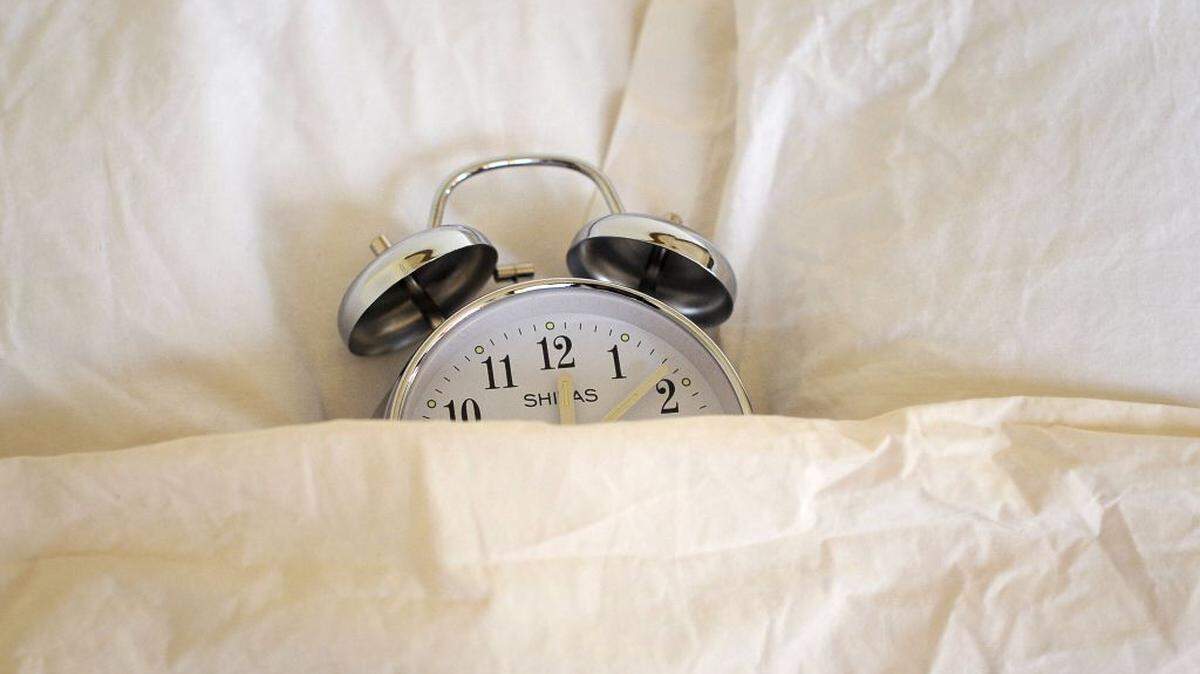
That jolt of dread before your alarm even goes off. The racing heart while you’re still under the covers. The intrusive worries hitting you between the bathroom and the coffee pot. If this sounds familiar, you’re not alone.
In 2026, Google searches for “cortisol” have nearly doubled since the start of the year, sitting at record highs for three consecutive months. People are looking for biological answers to how they feel, and the cortisol awakening response may be one of the most important ones they haven’t heard of yet.
What Happens in Your Body During the First 30 Minutes of Being Awake
The cortisol awakening response, or CAR, is the rapid rise in cortisol across the first 30 to 45 minutes after waking, a well-documented part of your daily hormonal cycle. Your circadian clock drives it, and it’s actually doing something useful: preparing your body to meet the demands of the day ahead.
During that window, cortisol can climb 50 to 60% above your baseline waking level, with output typically peaking between 8 and 10 a.m. That’s right when most people are commuting, parenting or sitting down to a full inbox. So the timing of that “off” feeling isn’t random.
Why Your Morning Cortisol Spike Can Feel Just Like Anxiety
When your HPA axis, the body’s central stress response system, gets dysregulated by chronic stress or poor sleep, that normal morning surge can become exaggerated. The result is hard to distinguish from anxiety: racing heart, tight chest, intrusive thoughts, a sense that something’s wrong before anything has actually happened.
A 2025 study published in PMC confirmed the CAR as a reliable biomarker for HPA axis function and found that ongoing life stressors meaningfully alter individual cortisol patterns. Research published in PNAS in late 2024 found the CAR also shapes emotional and cognitive function through brain networks, which is why an overactive morning response doesn’t just affect your body. It affects your thinking and mood too.
What you’re dreading can make it worse before you even open your eyes. A 2024 pilot study in Biological Psychology found that anticipating a stressful day directly elevated the CAR. Sunday night dread is already shaping Monday morning.
How Sleep Shapes Your Cortisol More Than You Might Think
A 2025 study in Proceedings of the Royal Society B tracked 201 healthy volunteers and found that sleep duration directly shapes when cortisol peaks. For people sleeping around 6 hours, cortisol crested after waking, making the experience more intense. The longer and more consistent your sleep, the earlier that peak tends to arrive, and the softer it feels when you’re awake for it.
Small Morning Habits That Actually Help Morning Anxiety
You don’t need a full overhaul. A few consistent changes can meaningfully calm the cortisol awakening response over time.
- Get outside within 30 minutes of waking. Natural light anchors your circadian rhythm and helps regulate CAR intensity.
- Breathe before you scroll. Box breathing or a simple 4-7-8 pattern activates the parasympathetic nervous system and blunts the cortisol spike before it takes hold.
- Eat something real. A breakfast with protein, healthy fats and complex carbs stabilizes blood sugar, which otherwise amplifies how intensely you feel that cortisol rise.
- Protect your sleep. Getting closer to 7 to 9 hours is one of the most direct levers you have over how mornings feel.
- Swap your first cup. Green tea contains L-theanine, which links to reduced stress response without the sedation that blunts your focus.
Your hormones aren’t working against you on purpose. But when they’re dysregulated, mornings bear the brunt. The good news is the same biology that’s driving that anxious feeling is also responsive to small, consistent changes.
This article was created by content specialists using various tools, including AI.