Cold Plunges and Your Brain: The Surprising Science Behind a 2-Minute Ice Water Dunk
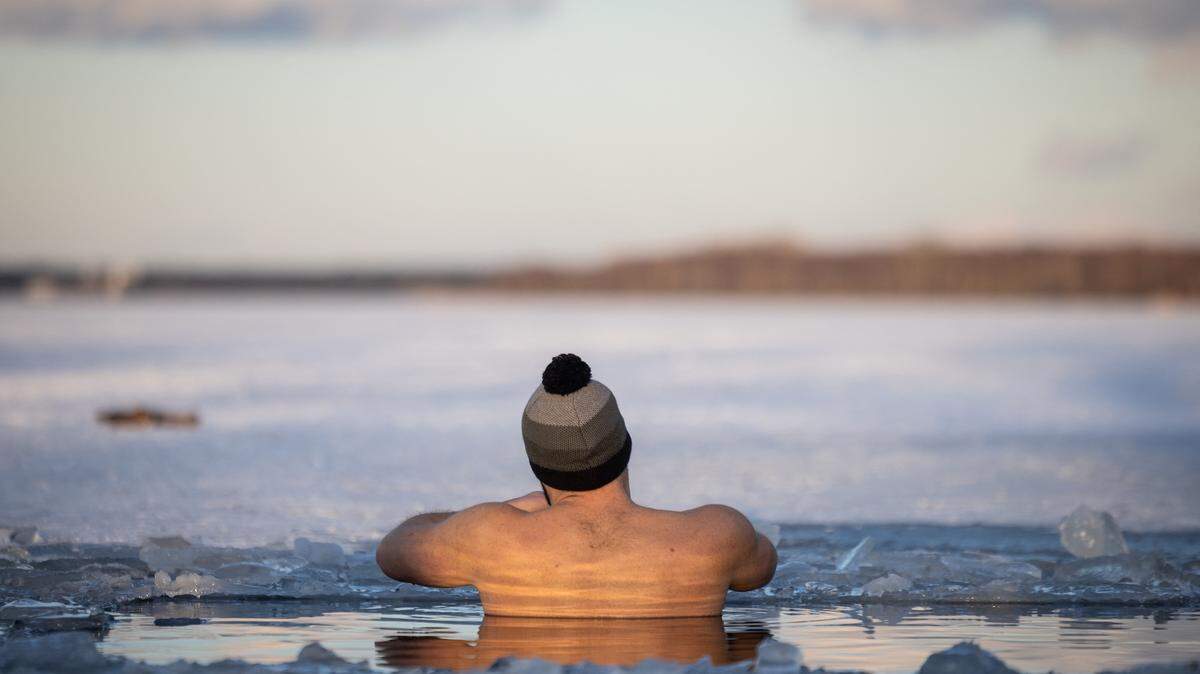
Two minutes. That’s about how long it takes for a cold plunge to flood your bloodstream with hormones, light up your nervous system and leave your brain humming in a state athletes describe as razor-sharp calm. It explains why cold plunges have leapt from fringe ritual to mainstream obsession, embraced by your favorite celebrities.
So what’s actually happening inside you when you lower yourself into freezing water?
A cold plunge means partly or fully submerging yourself in cold water for short bursts. The setup ranges from a bathtub heaped with ice cubes to a quick dip in a frigid lake or ocean. Some people build their own backyard tanks. Others head to dedicated cold-plunge studios.
What Is the Ideal Temperature for a Cold Plunge?
The temperature does the work. Adults typically plunge in the 50–60°F range, according to Plunge. Most beginners start a touch warmer, around 60–65°F, and build tolerance from there.
What Happens in Your Brain During Ice Bath
The instant icy water hits your skin, your brain’s stress system flips on. The sympathetic nervous system fires, and catecholamines — the chemicals that sharpen attention — wash through the body.
A controlled study in Scientific Reports found that a brief ice bath produced a significant rise in circulating noradrenaline, alongside shifts in cortisol and other stress-related hormones. Intense as that sounds, it’s also why plungers describe a strange afterglow: alert, clear-headed, almost reset.
A study published in The Journal of Neuropsychiatry and Clinical Neurosciences puts it this way: “Cold-water immersion triggers the release of important hormones and neurotransmitters, such as dopamine, serotonin, cortisol, norepinephrine and β-endorphins, which are all linked to modulation of the neural responses to stress and other emotion-related circuits affected in depression, anxiety, and posttraumatic stress disorder.”
The same study notes that the hormonal cascade may even dull pain by activating peripheral nerves and autonomic pathways.
Norepinephrine, in particular, is tied to vigilance and focus, which helps explain the mental-clarity rush plungers chase. According to Plunge, cold immersion can spike dopamine — the brain’s feel-good messenger — up to 500 times above normal levels.
The Body’s Half of the Story
Frank Lipman, MD, Chief Medical Officer at The Well, told Harper’s Bazaar that the perks reach beyond the brain. “More immediate benefits of cold exposure include improved immunity, sleep quality and an increased fat-burning,” he said. “That’s because a dose of cold causes the body to shiver, which activates reactions inside the brown fat cells, the ones that our bodies burn for fuel to keep our bodies warm.”
Lipman added that cold exposure may also “tame migraine symptoms — think ice packs on the neck — and soothe irritated nerve endings that can cause pain.” And there’s a mood lift baked in: “For those struggling with mental health issues like anxiety or depression, it can boost mood by triggering the release of the body’s feel-good endorphins.”
Training Your Stress Response to a Cold Plunge
One of the most striking ideas in the research is that repeated plunges may function as a kind of stress workout. Each immersion releases endorphins and serotonin, chemicals that regulate mood and the body’s response to pressure. Over time, your system may grow more accustomed to handling stressful conditions — a resilience that can ripple into work, home life and other high-pressure moments.
The abovementioned study in Physiology & Behavior found that repeated cold exposure shifted physiological stress markers and was associated with improvements in certain cognitive measures and sleep quality over time. The short-term jolt, in other words, appears to translate into longer-term gains.
How Long to Stay in an Ice Bath
It depends on the person and the goal, Lipman said. He recommends easing in.
“When first starting out, it’s OK to do cold plunges in short increments — even 30 seconds at a time — to build up your tolerance. From there, three to five minutes is a good target time,” Lipman said, adding, “In any case, it’s important to listen to your body.”
A brief immersion in ice water produces a powerful, measurable activation of the very brain systems that govern attention, mood and stress. Two minutes of shivery discomfort, in exchange for a neurochemical reset.
This article was created by content specialists using various tools, including AI.
This story was originally published April 30, 2026 at 12:00 PM.