
Common Beginner Gardening Mistakes That Are Killing Your Plants Without You Realizing It
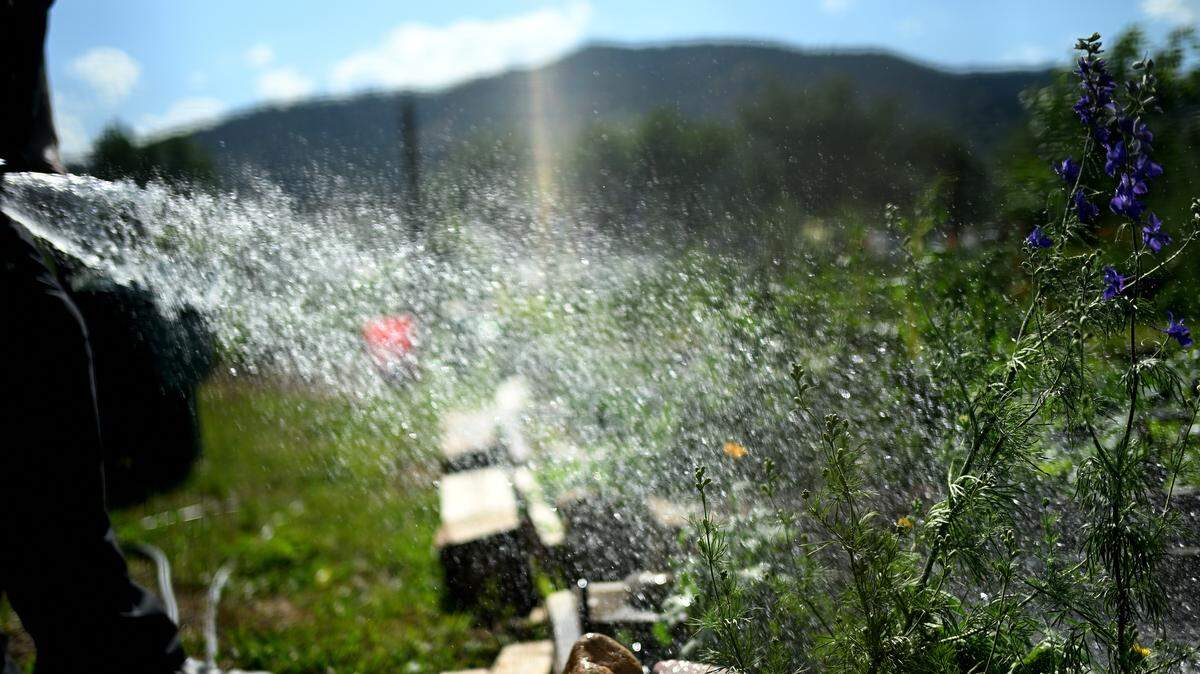
Buying a house often comes with a yard, garden beds or a row of containers you didn’t necessarily plan for — and a creeping suspicion that you’re about to kill everything in them. Good news: most of the mistakes new gardeners make are common, fixable and have nothing to do with a green thumb. The bad news is that one of the most damaging habits feels like the kindest thing you can do for a plant.
Here’s what to watch for as you settle into your new space, with overwatering at the top of the list.
Overwatering is the No. 1 culprit
If your plants are wilting, yellowing or dropping leaves, your instinct is probably to grab the watering can. Resist it. Most beginners think more water equals healthier plants. In reality, constantly wet soil suffocates roots and leads to rot — which looks a lot like underwatering until it’s too late.
The classic test is to stick a finger an inch or two into the soil. If you’d rather not, or you want a more reliable read, there’s a gadget made for exactly this problem.
Mary Marlow Leverette at The Spruce writes: “If you don’t want dirt under your nails or question the reliability of your finger, there’s a tool for you. A soil moisture meter is precise and reads more than just the top inch of soil. Usually battery-operated, the meter has one or two metal probes that can measure soil moisture up to 12 inches deep. Easy to use, some moisture meters also read the light conditions around a plant as well as the soil pH.”
For a new homeowner, that 12-inch range matters. The top of the soil can feel dry while the root zone is still saturated from a watering you did three days ago. A meter takes the guesswork out and helps you learn the rhythm of each plant — which is the actual skill underneath “having a green thumb.”
Watering the leaves instead of the roots
Once you’ve got the frequency right, aim matters too. Spraying foliage feels like a gentle, all-over shower, but wet leaves are an open invitation for fungal disease, especially in heat or humidity.
Ankit Singh, assistant professor and ornamental horticulture educator at the University of Maine Extension, told Martha Stewart: “Prolonged moisture on foliage and flowers provides ideal conditions for fungal and bacterial pathogens.” Flowers with wet petals, Singh added, can collapse quickly.
The fix is simple: water at the base of the plant, slowly, until the soil is moist a few inches down. Morning is generally better than evening, because any splashes have time to dry before nightfall.
Putting plants in the wrong light
Plant tags exist for a reason. Putting full-sun plants in shade — or vice versa — leads to small, leggy growth or scorched, crispy leaves. Before you plant anything you spent money on, spend a weekend watching how light moves across your yard or balcony. A spot that looks bright at noon may only get two real hours of direct sun.
Choosing the wrong soil
This one trips up almost every new homeowner. Garden soil shoveled straight into a container becomes a compacted, waterlogged mess. Bargain-bin potting mix often drains poorly or contains few nutrients to begin with.
The shorthand: containers want potting mix, beds want amended garden soil and “cheap” usually costs you a plant.
Crowding your plants
When you’re staring at a half-empty bed, it’s tempting to tuck seedlings in close so the space looks full now. Plants need airflow and room for their roots, and crowding leads straight to disease, pests and stunted growth.
Troy Hake, a lawn and garden expert, told The Spruce: “Overplanting seeds leads to intense plant competition for essential growth resources like water, sunlight and nutrients, which can result in weaker, spindly plants that never reach their full potential.”
Translation: a few thriving plants will outperform a packed bed of struggling ones every time.
Planting at the wrong time
Planting too early exposes tender growth to frost damage. Too late, and seedlings get slammed by summer heat before their roots are established. Check your local last-frost and first-frost dates and treat them as planting boundaries, not suggestions.
Fertilizing too much — or not at all
Fertilizer is one of those things where more is definitely not better. Too much burns roots and can kill a plant outright. None at all leads to slow, pale, sad-looking growth that limps through the season.
Start with a balanced, general-purpose fertilizer and follow the label dosage. If anything, lean lower than the recommended amount your first year while you figure out what your plants actually need.
The one mindset shift that helps most
If you take one thing from all of this, let it be this: most beginner mistakes come from doing too much, not too little. Less water, less fertilizer, more space and a little patience will save more plants than any expensive tool — though a moisture meter comes close.
This article was created by content specialists using various tools, including AI.