Steller Sea Lion Chonkers at Pier 39 Is an Online Sensation: Everything You Need to Know
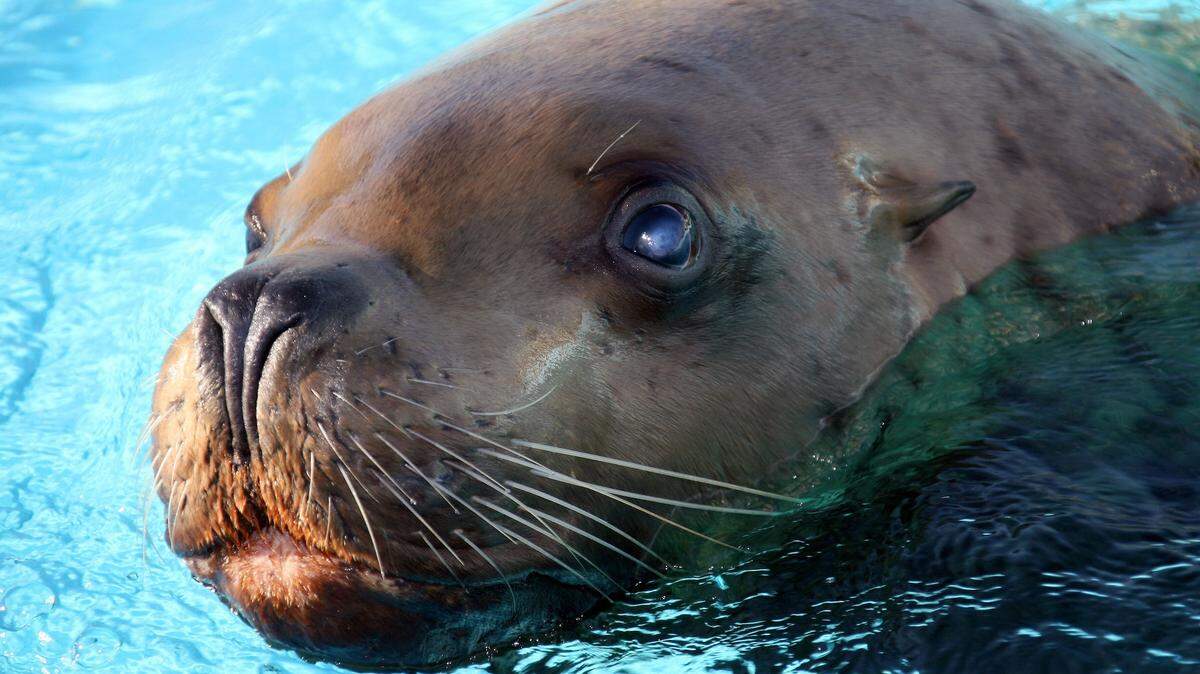
A 2,000-pound visitor has turned San Francisco’s Pier 39 into a must-see attraction. Chonkers — a Steller sea lion roughly three times the size of the California sea lions that typically gather there — has drawn crowds of tourists, viral TikTok videos and a steady stream of nicknames since washing up at the pier. Locals have dubbed him “the king,” “an absolute unit” and “a chonker,” and the spectacle shows no sign of slowing down.
The Wall Street Journal reported he was first spotted at the pier in March, and Reddit users began posting videos that same month showing the massive animal standing at the front of one of the wooden platforms while smaller sea lions kept their distance.
Who Is the Steller Sea Lion at Pier 39
The steller at the center of the buzz — also widely called Chonkers online — is a Steller sea lion, a species considerably larger than the California sea lions that usually crowd the floating docks. According to NOAA Fisheries, adult male Steller sea lions can grow up to 11 feet long and weigh as much as 2,500 pounds. They typically weigh up to three times more than California sea lions and are visibly longer and more robust. Their thicker necks and larger, heavier bodies give them a distinctly “bear-like” look compared to their more streamlined relatives.
A TikTok video posted this week showed Chonkers barking with a crowd gathered around him. “An absolute unit,” one person commented. “Everybody loves a chonker!” said another. A third wrote, “Saw him a few days ago, people were calling him the king 😂,” while a fourth added, “He’s doing a great job 🥰.”
Why This Steller Chose the San Francisco Pier
Laura Gill, public programs manager with the Marine Mammal Center, believes the answer is simple: food. “There’s just a lot of food right now,” Gill said.
Steller sea lions are opportunistic hunters that feed on a wide range of prey. They often hunt at night and consume over 100 kinds of fish — including Atka mackerel, pollock, salmon and cod — as well as cephalopods such as squid and octopus. Their diet varies with location and season, depending on what prey is available. To maintain their health, growth, and reproduction, they depend on reliable, abundant food sources throughout all stages of life.
They search for food both along the coast and farther out at sea, diving in both bottom-dwelling (benthic) and open-water (pelagic) habitats, and different individuals may use a variety of foraging strategies.
How Pier 39 Is Handling Its Oversized Guest
Pier 39 can host as many as 2,000 sea lions on the floating docks, depending on the time of year. But the infrastructure was never designed for an animal of Chonkers’ size. Pier 39 harbormaster Sheila Chandor told the Wall Street Journal that the steller is not expected to stick around for long.
“We’re a pit stop, that’s how we saw ourselves,” Chandor said. “We didn’t build those floats for 2,000-pound animals.”
Earlier Reddit reactions captured the same sense of awe at the size difference between Chonkers and the smaller California sea lions sharing the platform. “I wonder what the little guys were thinking. They’re all so cute though,” one person commented. Another wrote, “That’s one big water dog.”
What Makes Steller Sea Lions Different
Beyond their size, Steller sea lions have distinctive habits and capabilities. Especially among males, they can migrate long distances over a season, and their diving ability improves with age — recorded dives have reached depths of about 1,400 feet.
On land, they depend on secure, undisturbed sites for resting, molting, socializing, breeding, giving birth, and raising their young. They are very social animals and often form large, densely packed groups. In the water, they may be solitary, gather in small groups, or form larger aggregations — sometimes called rafts — near productive feeding areas. They also occasionally raise their flippers above the surface to help control body temperature; because flippers lose heat quickly, exposing them to the air allows warmth to be absorbed and circulated through the body. For females, energy needs are especially demanding in winter, as they must nourish themselves while nursing a pup and may also be pregnant. During the breeding season, females stay close enough to their rookery to return regularly to feed their young, although their trips to forage tend to grow longer as the pup develops.
For now, the Bay Area’s most famous Steller continues to hold court at Pier 39 — at least until the pit stop ends.
This article was created by content specialists using various tools, including AI.
This story was originally published April 29, 2026 at 1:00 PM.