Texas Released 71 Sheep to Boost Hunting in 1957. Now Over 20,000 Threaten Native Wildlife
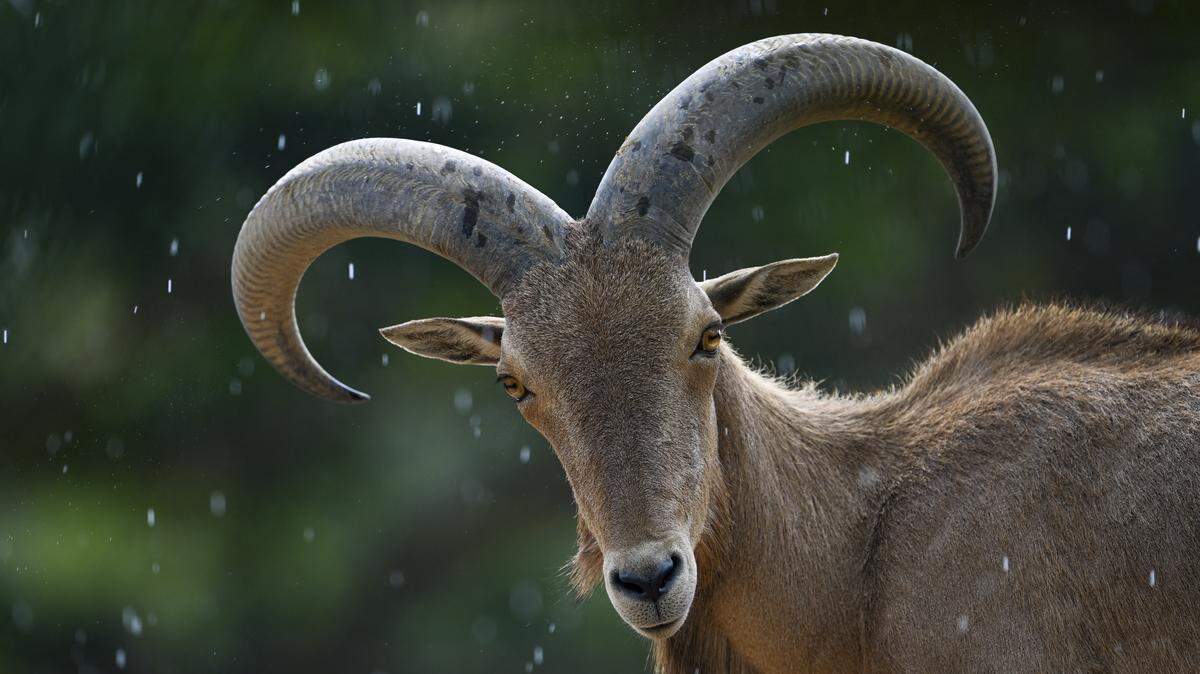
In 1957, the Texas Parks and Wildlife Department released 31 aoudad — also known as Barbary sheep — into the Texas Panhandle to increase hunting opportunities. An additional 40 animals were released the following year, bringing the total number of introduced aoudad to 71.
That was nearly seven decades ago. Today, the aoudad population in Texas has grown to more than 20,000, according to Texas Parks and Wildlife Department officials. What was designed to benefit Texas hunters has become an invasive species crisis that now threatens native desert bighorn sheep through competition, rapid reproduction and the spread of deadly disease.
How 71 Animals Became More Than 20,000
Aoudad didn’t stay put in the Panhandle. The species has expanded south and west into the Trans-Pecos region of West Texas — territory that is also home to native desert bighorn sheep. The two species now compete for the same habitat and the same food sources, and the numbers are wildly lopsided.
TPWD surveys in 2025 recorded approximately 730 desert bighorn sheep statewide. The aoudad population, by comparison, exceeds 20,000. That means native bighorns are outnumbered by a wide margin, and basic biology is driving the gap wider.
Wildlife officials say aoudad reproduce far more quickly than bighorn sheep, often producing twins twice a year. Bighorn sheep typically have just one offspring annually. On top of that, aoudad compete directly with native sheep for forage, putting constant pressure on a native population that is already struggling to hold its numbers.
Disease Is the Even Bigger Problem
Competition for food is a serious concern on its own, but disease transmission is what wildlife officials consider the greater threat to desert bighorn sheep survival.
In 2019, desert bighorn sheep in West Texas were hit by a pneumonia outbreak linked to the pathogen Mycoplasma ovipneumoniae. Researchers identified aoudad as potential carriers of the disease, often without showing any symptoms themselves. That makes them silent spreaders — animals that can look perfectly healthy while transmitting a pathogen that proves lethal to their native neighbors.
The damage was severe. According to TPWD data, the desert bighorn sheep population dropped from about 1,500 animals in 2019 to fewer than 500 by 2024 following the outbreak. That is a loss of roughly two-thirds of the statewide bighorn population in approximately five years.
Now a second disease is circulating among aoudad in West Texas. Infectious keratoconjunctivitis, commonly known as pinkeye, has been documented across a 30-mile stretch of the region.
TPWD reported, “Since December [2025], approximately 25 Aoudad showing severe clinical characteristics (e.g., blindness) in one or both eyes have been documented across 30 miles.”
The agency described the disease as “a highly contagious eye infection that can be a common disease in livestock. IKC has also been described in many wildlife species. It rarely affects just one animal, but spreads throughout a herd.” TPWD added it “can be spread by flies, dust, and other exposed environmental vectors. In wildlife populations there is no available treatment and the disease naturally runs its course through the herd.”
So far, TPWD has not documented IKC cases in desert bighorn sheep. But given how rapidly the disease spreads through herds — and the close proximity of aoudad and bighorn sheep across the Trans-Pecos — the agency said it is monitoring the situation closely for any sign of cross-species transmission.
Texas Responds With a New Law and Helicopter Hunts
To manage the growing aoudad population, Texas enacted Senate Bill 1245, which took effect on Sept. 1, 2025. The law allows aerial hunting of aoudad from helicopters on private land, opening a new front in the state’s effort to control the invasive species.
That change is particularly significant in Texas, where more than 93% of land is privately owned. Aoudad, classified as an exotic species, already have no closed season or bag limit on private property. The helicopter provision now gives landowners and wildlife managers a faster, more efficient method for reducing aoudad numbers across the state’s sprawling private ranchlands.
Beyond the new aerial hunting provision, TPWD is managing aoudad populations through public land hunts across West Texas. The agency is also working with research partners, including Texas A&M University and Borderlands Research Institute, to study how diseases spread between aoudad and native species and to develop more effective approaches to population control.
The Numbers Behind the Crisis
Texas deliberately released a total of 71 Barbary sheep across two years in the late 1950s to create new hunting opportunities. That population has since grown to more than 20,000.
Meanwhile, native desert bighorn sheep numbers dropped from about 1,500 in 2019 to fewer than 500 by 2024, with the most recent TPWD surveys in 2025 recording approximately 730 animals statewide.
Whether the combination of aerial hunting, public land management and ongoing university research will prove sufficient to reverse the trajectory of the aoudad population — and protect what remains of the state’s desert bighorn sheep — remains to be seen.
This article was created by content specialists using various tools, including AI.