Florida Wildfire Evacuees Aren’t Just People — Rescuers Scramble for Displaced Animals
Here’s a detail from Florida’s wildfire crisis that deserves more attention: wildlife rehabilitators across North Central Florida are being overwhelmed by displaced animals, and as Becky Goodman with Secret Squirrel Wildlife Rehabilitation put it, “no hotel is going to put me and 75 squirrels up.”
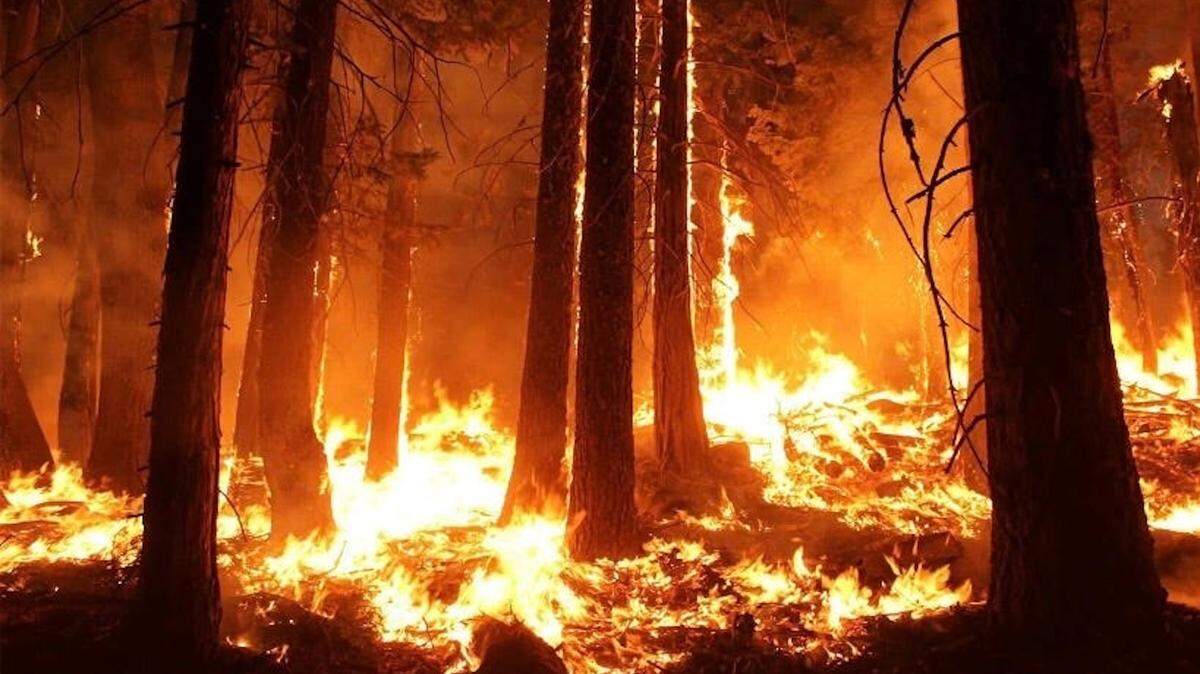
More than 15,000 acres have burned as wildfires continue to ravage the region. The Florida Forest Service reported 107 active wildfires on Monday, April 27. There is no rain in the forecast to end a drought impacting 99 percent of the state. Animals that have lost their natural habitats are flooding into rural communities, and the people trying to help them are stretched thin.
What’s Actually Happening on the Ground in Florida
Goodman told WCJB what’s playing out beyond the fire lines.
“There will be wildlife on wildlife conflict, there will be human wildlife conflict where there’s more animals than an area can sustain because wildlife has fled these fire-impacted areas,” she said.
Displaced animals commonly gather in the same spaces, she said, but they face severe competition for food, water and shelter — plus more frequent encounters with people.
“Between fires, hurricanes, floods, we all know what it’s like to be in that situation where you have wildlife … being evacuated isn’t like any other animal being evacuated, it’s not like dogs and cats, no hotel is going to put me and 75 squirrels up,” Goodman said.
Rehabilitators Are Covering Massive Territory
The crisis isn’t limited to the burn zones. Goodman described how Gainesville-based rehabilitators have expanded their reach.
“So it may seem like there’s not a lot of fire in Gainesville, but Gainesville rehabbers are covering Clay County and Bradford County … we’re in all of these communities that have wildlife that is at risk, we’re getting all of those animals as well,” she said.
With a limited number of licensed wildlife rehabilitators in the region, many are taking in more animals than usual and bracing for fire-related injuries.
“There’s really no time off for wildlife rehabbers and so everyone is taking animals in … making sure that we have everything lined up for potential burn victims and animals who may have smoke inhalation issues,” she said.
Horse Farms in Certain Areas Had to Be Evacuated
When the fires began earlier this month, WINK reported that neighborhoods near the Picayune Strand State Forest were forced to evacuate horse farms and ranches.
“In the horse community, all pull together to get everyone safe and make sure everyone is in a safe place,” said Patty Carnes, who had to evacuate her horse.
Shore Acres Farm owners Mike and Janie Yag opened their property to help those displaced by the blaze.
“We have to all pull together and take care of those animals, because they can’t take care of themselves,” Janie said.
“When tragedy strikes, you gotta pull together,” Mike Yag said.
How to Help Without Getting in the Way
Goodman says residents should not attempt to handle wildlife themselves. Instead, she recommends leaving out shallow bowls of water and placing food like pet kibble or unseasoned vegetables in safe outdoor areas.
For injured or distressed wildlife, she recommends contacting professionals through Animal Help Now. Community members can also reach out to local rehabilitators or donate through the Secret Squirrel Wildlife Rehabilitation Facebook page.
As wildfire conditions persist, Goodman says community awareness and support will play a key role in trying to keep wildlife safe.
This article was created by content specialists using various tools, including AI.