You’re Probably Microwaving Plastic Every Day — The Latest EPA Findings Are Hard to Ignore
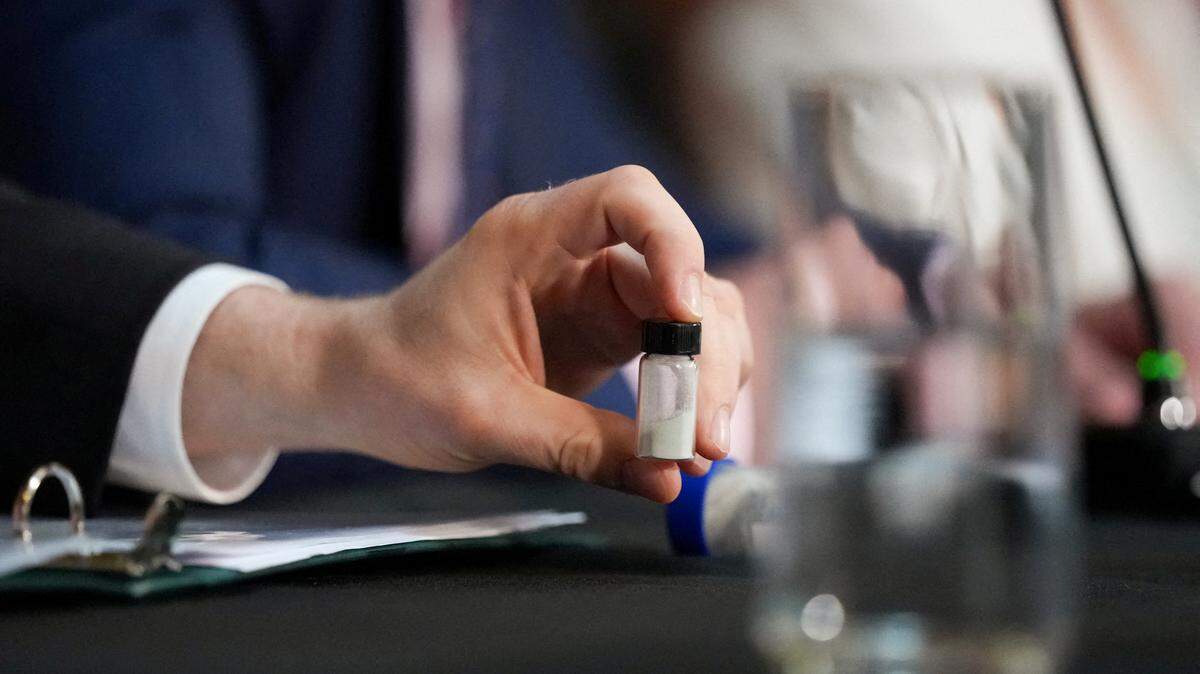
Most people are focused on what’s in their tap water. Meanwhile, the plastic container they just heated lunch in released billions of particles straight into their meal.
On April 2, 2026, the EPA added microplastics to its draft Sixth Contaminant Candidate List for the first time, designating them a priority public health concern. HHS followed with a $144 million initiative called STOMP to measure and monitor microplastics in drinking water. It’s a significant step, but it’s worth knowing that the listing doesn’t create new regulations yet. It kicks off a years-long process that could eventually lead to enforceable standards.
In the meantime, your kitchen is where you can actually do something about it today.
How Many Microplastic Particles Americans Actually Consume Each Day
The numbers are harder to ignore than most people realize. Research in Environmental Science & Technology estimates Americans consume between 39,000 and 52,000 microplastic particles annually from food and drink alone.
Factor in what you’re breathing, and that range jumps to between 74,000 and 121,000 particles per year. A widely cited figure puts it in simpler terms: the average person takes in roughly a credit card’s worth of microplastic particles every single week.
Drinking water is part of the equation, but it’s far from the only source.
What Scientists Are Finding in Human Tissue — and Why It Matters
The health picture emerging around microplastics is what makes this more than just an environmental story. Marine researcher Marcus Eriksen, one of three scientists invited to speak alongside Kennedy and Zeldin at the April announcement, wrote in the Ventura County Star that nanoplastics have now been confirmed in brain, liver and kidney tissue, with particles as small as 200 nanometers. People who died of dementia had roughly 10 times more nanoplastics in their brain tissue than others.
Eriksen also makes a point worth sitting with: the federal initiative focuses on detection and removal. It doesn’t address the upstream sources, including single-use packaging, textiles and everyday consumer products. That gap is exactly why individual choices in your kitchen still carry real weight.
Why Microwaving Plastic Releases Billions of Nanoplastic Particles Into Your Food
Another study published in Environmental Science & Technology found that microwaving plastic containers can release up to 4.22 million microplastic and 2.11 billion nanoplastic particles per square centimeter in just three minutes. A University of Nebraska study found that three-quarters of cultured embryonic kidney cells died after two days of exposure to those same particles.
Heat is the main accelerant, but it’s not the only one. Storing food in plastic at room temperature or in the refrigerator for more than six months can release millions to billions of additional particles into whatever you’re storing. And that “microwave safe” label on your containers? It means the plastic won’t melt. It doesn’t mean it won’t shed particles into your food.
Simple Swaps for a Plastic-Free Kitchen That Actually Reduce Your Exposure
You don’t need to replace everything at once. Start with what you heat.
Food safety experts consistently point to three materials worth switching to:
- Glass is non-porous, doesn’t react with food, and is microwave-, freezer- and oven-safe when labeled for it. It’s the most versatile option for anyone eliminating plastic from their reheating routine.
- Stainless steel is durable and doesn’t leach chemicals, but it’s not microwave-safe and isn’t ideal for acidic foods stored over long periods.
- Food-grade silicone handles high and low temperatures well and works particularly well for freezing soups, sauces and portioned meals.
The single highest-impact swap you can make right now is replacing the plastic containers you put in the microwave. That’s where heat, contact time and particle release converge most.
What Comes Next for Microplastics in Drinking Water Regulation
The EPA’s 60-day public comment period on the draft contaminant list closes in early June 2026. But enforceable standards are likely years away, and as Eriksen points out, even thorough federal monitoring won’t touch the microplastics already embedded in everyday products. The variable you control right now is your kitchen, and the switch to glass, steel or silicone is one of the most straightforward changes you can make.
This article was created by content specialists using various tools, including AI.
This story was originally published April 27, 2026 at 1:30 PM.