
The Overlooked Spots to Clean on a Screened-In Porch to Keep It Dust-Free Longer
If you recently moved into a home with a screened-in porch, you may have already discovered something nobody mentioned during the walkthrough: the space collects dust, cobwebs and grime faster than any room inside your house. That dingy look creeping across the screens and settling on every surface? Totally normal — and totally fixable once you know where to start.
The trick is working in the right order. Clean from top to bottom, and you won’t end up pushing debris from one surface onto another you just finished scrubbing. Here’s every step and the reasoning behind it.
Start With the Screens — They’re the Main Dust Filter
Your screens are where most dust enters the porch and clings. Cleaning them first prevents loose particles from drifting down onto surfaces you’ll tackle later.
Begin by gently vacuuming each screen with a brush attachment. This removes dry dust and pollen before you add any water — skipping this step is what turns dust into muddy streaks that are harder to clean than the dust itself. After vacuuming, follow up with a light wash using soapy water and a soft brush or microfiber cloth.
Mary Marlowe Leverette with The Spruce says, “If you don’t have a vacuum with a hose, use a disposable microfiber duster on the screens. As the duster fills with debris, replace the head often.”
Move Up to the Ceiling and Rafters
This is one of the most overlooked areas on a screened porch — and a major reason dust keeps reappearing on your furniture and floors. Cobwebs collect in corners and along rafters, and every breeze sends that trapped debris floating down onto everything below.
Use an extendable duster or a dry microfiber mop to reach the high spots. Pay close attention to corners where walls meet the ceiling, because that’s where cobwebs concentrate. If your porch has a ceiling fan, clean the blades thoroughly. Dusty fan blades redistribute particles across the entire space every time you flip the switch.
Wash the Floor With Dust in Mind
Porch floors collect a fine layer of dust and pollen that gets kicked right back into the air every time someone walks through. The key here is to sweep first, then follow with a damp mop. Dry sweeping alone just redistributes dust rather than removing it.
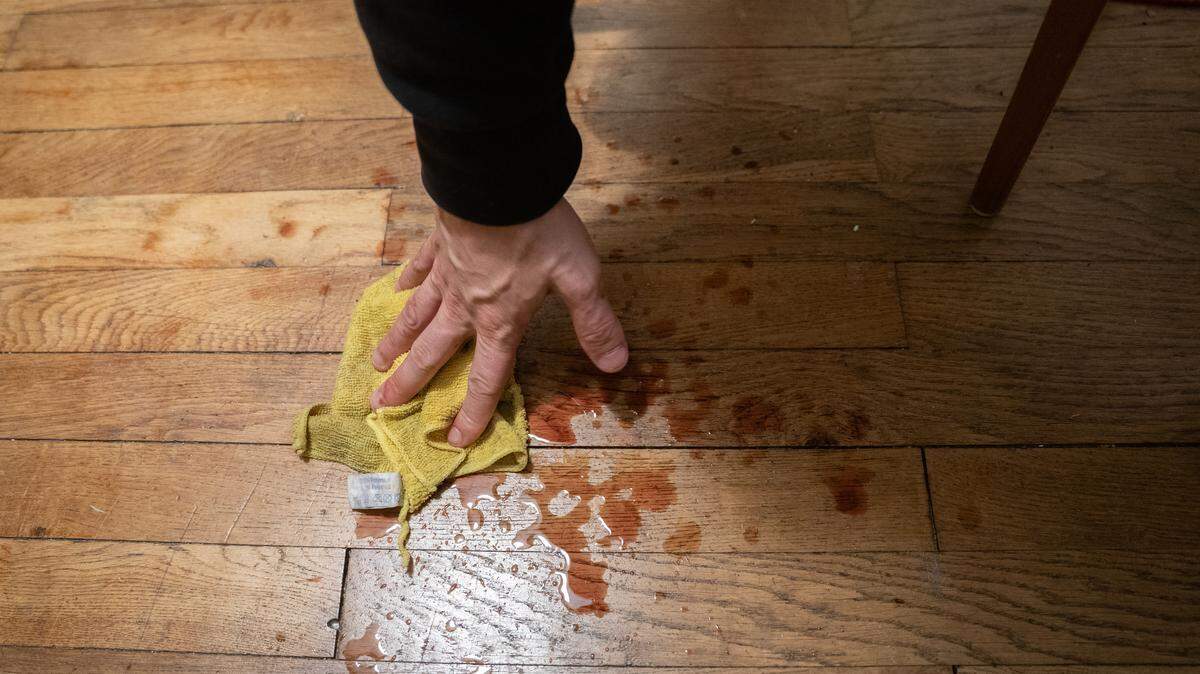
The type of floor you have matters for this step. For wood, use a lightly damp mop — not soaking wet — to avoid water damage. For concrete or tile, a mild cleaner helps cut through the sticky pollen film that builds up in warm weather.
Clean Outdoor Furniture — Including the Undersides
Vacuum cushions on all sides and wipe down the frames with a damp cloth. Check underneath seats and along seams where grime hides. If your cushion covers are removable, wash them when you can.
Mildew is a common problem on outdoor cushions, especially in humid conditions. If you spot it, Leverette from The Spruce advises: “Mix 1 cup of chlorine bleach and 1/4 cup of dishwashing liquid in one gallon of warm water. Spray the solution onto the mildew-stained piece. Allow it to soak in for 15 minutes. Gently scrub the entire piece with a soft-bristled brush.”
Wipe Down Railings and Trim
Railings, ledges, trim and baseboards are quiet dust collectors. Use a damp microfiber cloth to trap particles instead of just pushing them to the next surface. Focus on flat ledges and horizontal trim where dust settles most heavily.
Deep Clean the Door Track and Threshold
Your door track is where dirt enters the porch — and then spreads to the rest of the floor with every step. Vacuum out the debris that has collected in the track, then scrub it with a small brush and soapy water. Dry the track thoroughly afterward to prevent grime from building up again quickly.
Don’t Forget the Light Fixtures
Bugs and dust accumulate around porch lighting, dimming the glow over time. Turn off the power first, then wipe the fixtures inside and out. Clean the bulbs themselves to restore brightness you may not have realized you’d lost.
Preventive Habits That Save You Work Later
Brandee Gruener offers maintenance advice in Southern Living: “Don’t allow leaves to pile up next to your screened porch. Trim back shrubs and trees so they aren’t littering the screens with debris. Allowing more sunlight in also discourages the growth of mold. Patch any holes to keep insects and spiders off the porch. Lightly dust screens every week or two if you notice they get dirty fast. This will give you more time between cleanings.”
That last point is worth remembering: a quick weekly pass over the screens with a duster can stretch the time between deep cleans considerably. Think of it like wiping down kitchen counters — a little routine effort prevents big messes from building up.
This article was created by content specialists using various tools, including AI.
This story was originally published April 27, 2026 at 1:12 PM.