Giant Pandas Are Returning to Zoo Atlanta After a New Conservation Deal With China
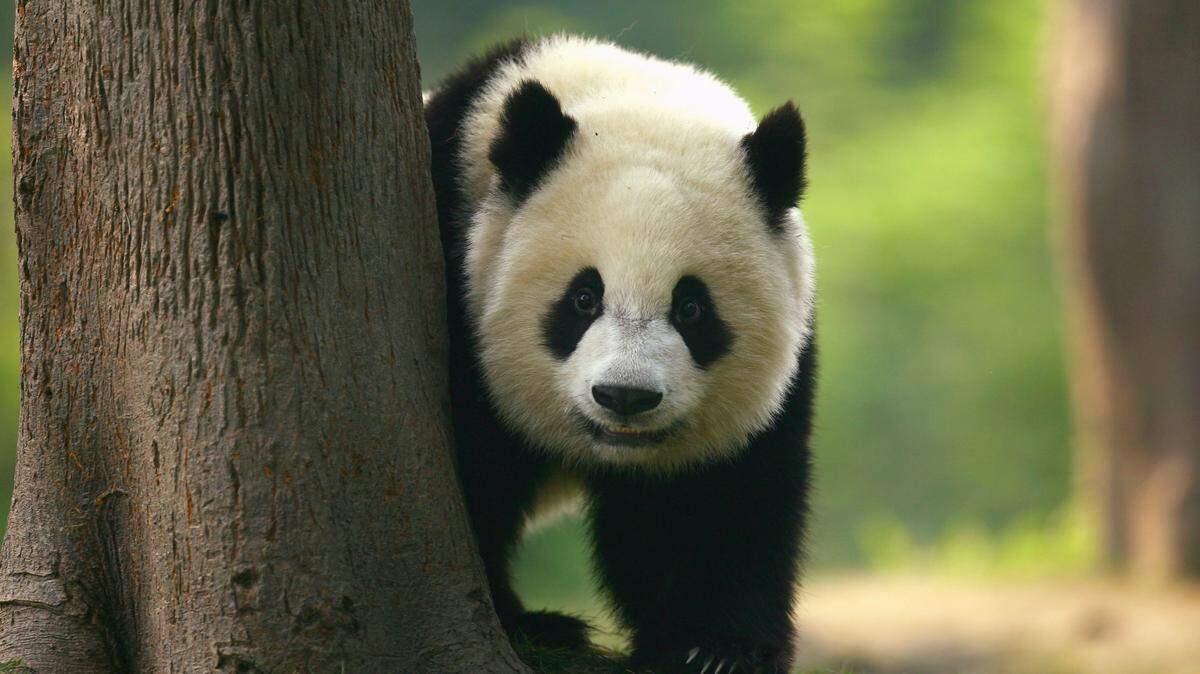
Giant pandas are heading back to Zoo Atlanta, the zoo announced, continuing an international partnership that has connected Atlanta and China for more than two decades.
Under a new International Cooperative Research Agreement with the China Wildlife Conservation Association, two giant pandas will be coming to Atlanta in the future. The pandas — a male named Ping Ping and a female named Fu Shuang — were both born at the Chengdu Research Base of Giant Panda Breeding in China.
The announcement marks the continuation of a long-running international research and breeding partnership and arrives just months after Zoo Atlanta’s previous panda residents departed for China. That departure followed the end of an agreement that had kept giant pandas in Atlanta for 25 years, leaving the zoo’s panda habitat empty for the first time since the late 1990s.
Zoo Leaders Call the Partnership an Honor
Zoo Atlanta president and CEO Raymond B. King said in a statement on the zoo’s website, “Zoo Atlanta is delighted and honored to yet again be trusted as stewards of this treasured species and to partner with the China Wildlife Conservation Association on the continued conservation and research efforts that are the most important outcomes of this cooperation.”
King’s statement placed conservation and research squarely at the center of the new agreement. While giant pandas have long been among the most popular animals at the zoo, King described conservation and research as “the most important outcomes of this cooperation.” The framing signals that the new deal is driven by scientific goals, not simply the animals’ draw as a public attraction.
The new agreement positions Zoo Atlanta to continue contributing to panda research at a time when international collaboration around the species remains active.
Seven Cubs In 25 Years of Partnership
Zoo Atlanta’s relationship with giant pandas stretches back to 1999, when the zoo entered its first cooperative agreement with China. Over the course of that previous partnership, which ran from 1999 to 2024, the zoo participated in extensive research collaboration and successful breeding efforts involving its longtime panda pair, Lun Lun and Yang Yang.
The breeding program was remarkably productive. That 25-year partnership resulted in seven cubs being born at Zoo Atlanta, including two sets of twins. The births demonstrated the depth of the scientific collaboration between Zoo Atlanta and the Chengdu Research Base.
In October 2024, Lun Lun, Yang Yang and their two youngest offspring returned to China. Their five older cubs are also now housed at the Chengdu facility. All of Zoo Atlanta’s former panda residents are now in China.
Conservation Work That Reached Beyond the Zoo
According to zoo officials, the previous partnership contributed not only to panda births but also to broader conservation work. That work included habitat restoration, nature reserve management and ranger support programs in China — efforts that carried the partnership’s impact well beyond Zoo Atlanta’s grounds.
Those conservation programs supported the protection of pandas in their native habitat, complementing the captive breeding and research that took place at the zoo. Zoo officials pointed to this combination of research at home and conservation work abroad as a defining feature of the long-running collaboration.
The new agreement comes as China continues to expand protections for giant pandas in the wild. Zoo officials note that the Chinese government has established 67 panda reserves and developed a national park system aimed at improving habitat connectivity and supporting the long-term survival of the species.
About 72% of wild giant pandas are currently under strict protection, according to zoo officials. The species is classified as vulnerable by the International Union for Conservation of Nature, a classification that reflects both the remaining threats facing the animals and the significant progress conservation efforts have made.
The network of reserves and the national park system are designed to ensure that wild panda populations have access to connected habitat corridors over the long term. Zoo Atlanta’s new agreement will allow the zoo to continue contributing to those international conservation goals.
When Will Ping Ping and Fu Shuang Arrive?
Zoo Atlanta said more details about when Ping Ping and Fu Shuang will arrive and when the public will be able to see them will be announced in the coming months. A specific timeline for the pandas’ move has not yet been released.
For now, the announcement signals a renewed chapter in the zoo’s relationship with one of its most iconic animals and a continued commitment to international conservation efforts. After a brief absence, giant pandas are on their way back to Atlanta.
This story was originally published April 24, 2026 at 12:30 PM.