
Simple Plant Updates That Dramatically Improve Any Outdoor Space and Add a Designer Touch
Your outdoor space might be just a few smart moves away from looking like a professional designed it. The good news? You probably don’t need to buy a single new plant.
From regrouping what you already have to swapping out mismatched pots, small changes in how your plants are arranged and displayed can dramatically elevate the look and feel of a yard, patio or balcony. Here’s how to get started.
Create a Sense of Arrival
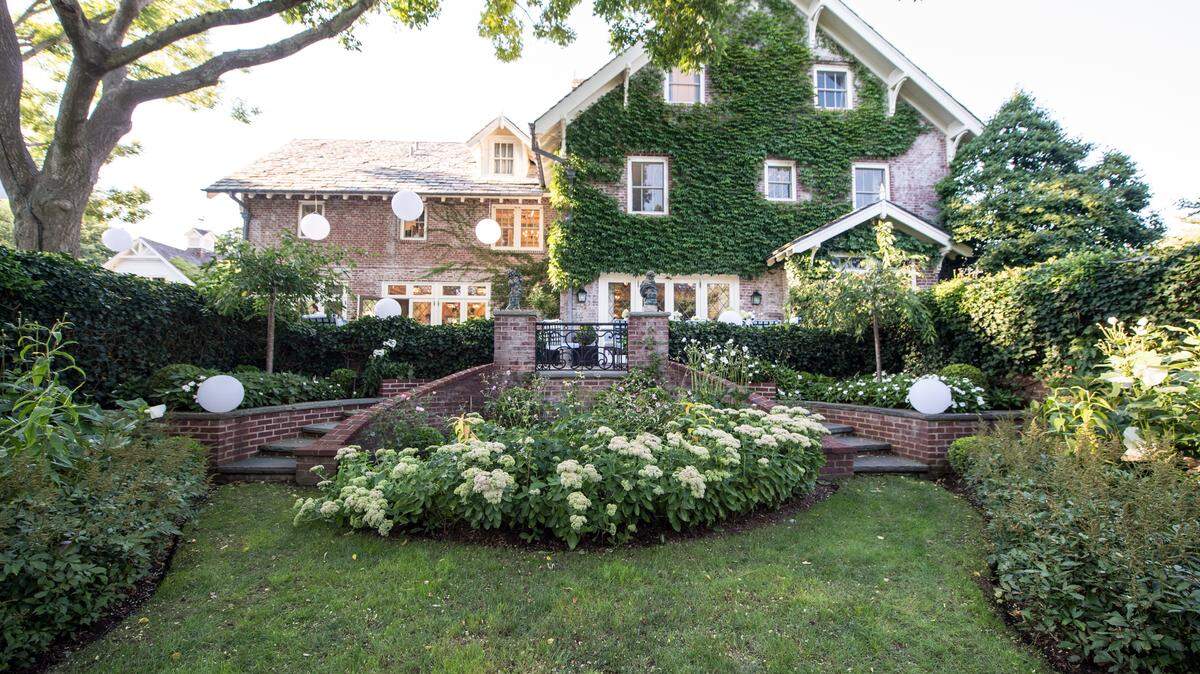
One of the easiest ways to make an outdoor space feel more intentional is to accent your entryway with plants and vines. Kevin Lenhart, design director at Yardzen, tells Blythe Copeland with Martha Stewart: “An ornamental gate or arched entry gives the garden a sense of arrival and separation from the rest of the yard. This simple addition can provide charm and structure!”
A defined entrance sets the tone for everything that follows. It tells visitors — and reminds you — that this is a curated space, not just a patch of yard.
Group Plants Together Instead of Spacing Them Out
If you have individual pots scattered around your outdoor area, try moving them into clusters of three to five with different heights. Adding a “statement plant” as a focal point within each grouping can anchor the arrangement and draw the eye.
Consider placing one larger plant — a tall grass, palm or sculptural shrub — in a key visual spot. This makes everything around it feel organized and purposeful.
Grouping the same plants together isn’t just an aesthetic choice. It’s also better for the health of your garden. Grouped plants are easier for pollinators to find. BioDiversityWorks explains: “When flowers of the same species are planted in dense patches, pollinators can forage more efficiently, gathering nectar and pollen without wasting energy flying between scattered blooms. This ‘clumping’ strategy supports higher rates of pollination and helps pollinators conserve their energy for reproduction and nest-building.”
So by grouping your plants, you’re doing something that looks better and supports the local ecosystem at the same time.
Repeat the Same Plant for Structure
Another trick that professional landscapers rely on is repetition. Use the same plant in multiple spots — along a fence, walkway or patio edge. This creates a visual rhythm that ties different areas of your outdoor space together and gives the whole yard a cohesive, polished feel.
Fill Empty Corners With Layers
Most yards and patios have at least one neglected corner. Instead of leaving it bare, fill it with a layered plant arrangement: one tall plant, one medium plant and one trailing or low plant. This approach adds depth and visual interest to spaces that might otherwise go unnoticed.
Frame Your Seating Areas
If you have outdoor furniture, placing plants on both sides of patio sofas, chairs or dining tables instantly makes the area feel more inviting and intentional. Think of plants as natural bookends that define and soften your seating zones.
Switch Mismatched Pots for Coordinated Containers
You don’t need to replace your plants to get a fresh look. Sometimes all it takes is swapping mismatched pots for containers in similar colors or materials — terra cotta, black, white or woven textures. This small change instantly upgrades the space without touching a single plant.
Create Distinct Zones
Moving plants to create their own dedicated areas can make even a small outdoor space feel more organized and functional. Think about separating your space into zones: a dining zone, a lounge zone and a garden edge. Plants serve as natural dividers that give each area its own identity.
Refresh Tired Pots Instead of Replacing Plants
Before you head to the garden center, take a closer look at what you already have. Sometimes all a space needs is refreshed containers. Swap out pot groupings, change the placement or give existing pots a new coat of paint. Cleaning them up or hitting them with spray paint can make a surprising difference for almost no cost.
Focus on Height
One of the most overlooked elements in outdoor design is vertical space. Alexander Betz, a landscape designer says in Martha Stewart: “Even without climbing plants, these structures create height and architectural beauty, acting as focal points in the garden. If you do have climbing plants, such as clematis, climbing roses, and star jasmine, placing these pieces nearby will allow them to grow vertically and create an even more beautiful space.”
Adding height through structures or tall plantings draws the eye upward, making outdoor areas feel larger and more dynamic.
The Takeaway
A more designed-looking outdoor space doesn’t require a landscaping overhaul or a big budget. It requires a thoughtful eye. Group your plants, coordinate your containers, create zones and think about height. Most of these updates can be done in a single afternoon with what you already own — and the results can be dramatic.
This article was created by content specialists using various tools, including AI.