Inside China’s Viral Tiger View Rooms Where Guests Sleep Beside Big Cats for Just $23
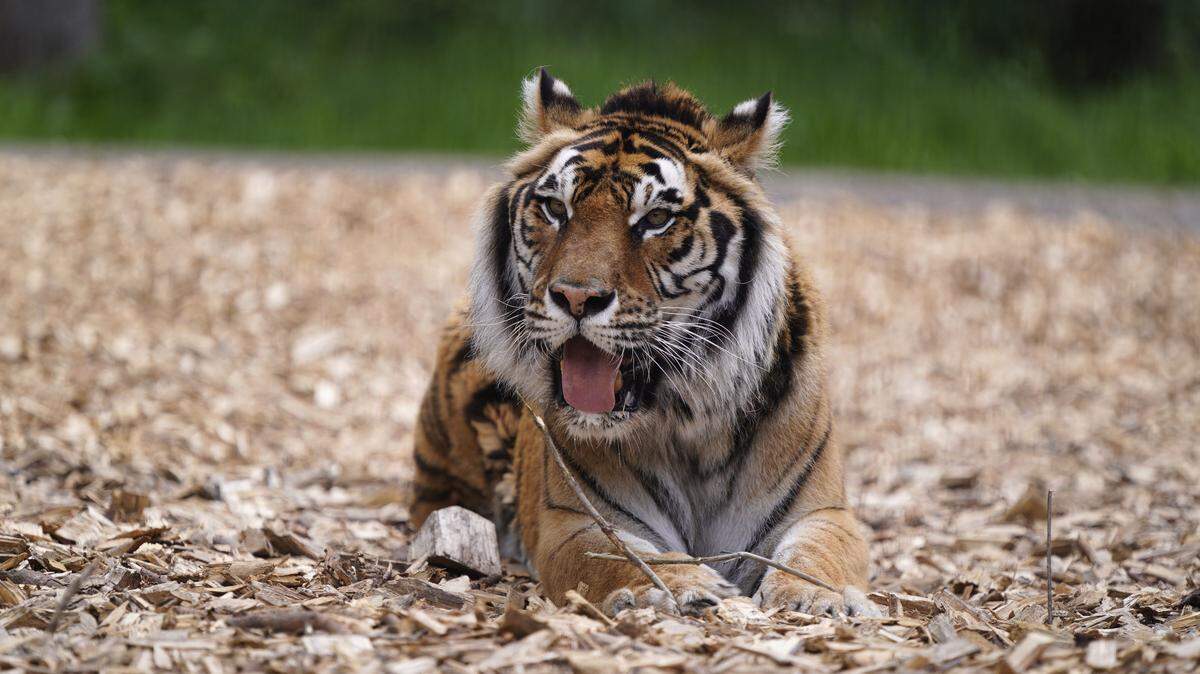
Imagine rolling over in bed and locking eyes with a Siberian tiger. At a wildlife park in Qinyang, China, that scenario is not hypothetical — it is a booking option.
The park’s “Tiger View Rooms” allow overnight guests to sleep directly beside tiger enclosures, separated only by reinforced glass. The cost? Around $23 per night. The experience has ignited fierce debate online about both the thrill and the ethics of the attraction, according to The Sun.
What the Rooms Actually Look Like
The tigers visible from the guest rooms include Siberian tigers, Bengal golden tigers and white tigers. Guests sleep with nothing but glass between their pillow and a big cat enclosure.
The park says it has layered its safety precautions. The barriers are made of double-layered, explosion-proof glass that staff say is strong enough to withstand gunfire. Electric wires are installed on the exterior of the glass to deter any contact between animals and the barrier.
Park staff say the facility has been inspected multiple times, and “no safety hazards have been found.”
Roaring Reviews — and Roaring Tigers
Some guests report hearing tigers roaring at night. Staff counter that the animals are mostly quiet and do not disturb sleep.
The public reaction has been decidedly mixed. Some users online say they would not stay despite the safety claims. Others describe it as a once-in-a-lifetime experience. Plenty of commenters have joked about the low price being directly tied to the proximity to apex predators.
The park continues to accept bookings and advises advance reservations. Prices are expected to rise during the summer holiday season.
The Animal Welfare Question
Not everyone is charmed. Critics argue the attraction prioritizes profit over animal welfare, raising concerns about the stress that constant visitor exposure and noise could impose on the tigers. Questions have also surfaced about the impact on natural tiger behavior. The rooms arrive amid broader scrutiny of zoo industry practices in China.
Zhang Minghai, of the National Forestry and Grassland Administration Feline Research Center at Northeast Forestry University, offered a more measured assessment, according to Global Times.
Zhang identified the key factors as whether tiger space is restricted and whether the barrier materials harm the animals. If standards are met and conditions are acceptable, “these ‘tiger-view rooms’ will generally not cause additional adverse effects on the tigers,” he said.
Zhang described the protection and use of wild animals as interconnected, calling “protection as the prerequisite for utilization.” He suggested that revenue from the rooms could improve tiger welfare and create a “virtuous cycle,” according to Beijing Daily.
The debate around Qinyang’s tiger rooms crystallizes a tension that runs through wildlife tourism worldwide: where does immersive experience end and exploitation begin? The park’s position is that its safety infrastructure and inspections make the rooms viable. Critics remain unconvinced, arguing that no amount of reinforced glass changes the fundamental question of what nonstop human proximity does to a captive tiger’s well-being.
For now, the rooms remain open, the prices remain low and the tigers remain visible — whether they want to be or not.
This article was created by content specialists using various tools, including AI.