Bear and 4 Cubs Lived Under a New Jersey Home for Weeks, Turning Backyard Into Playground
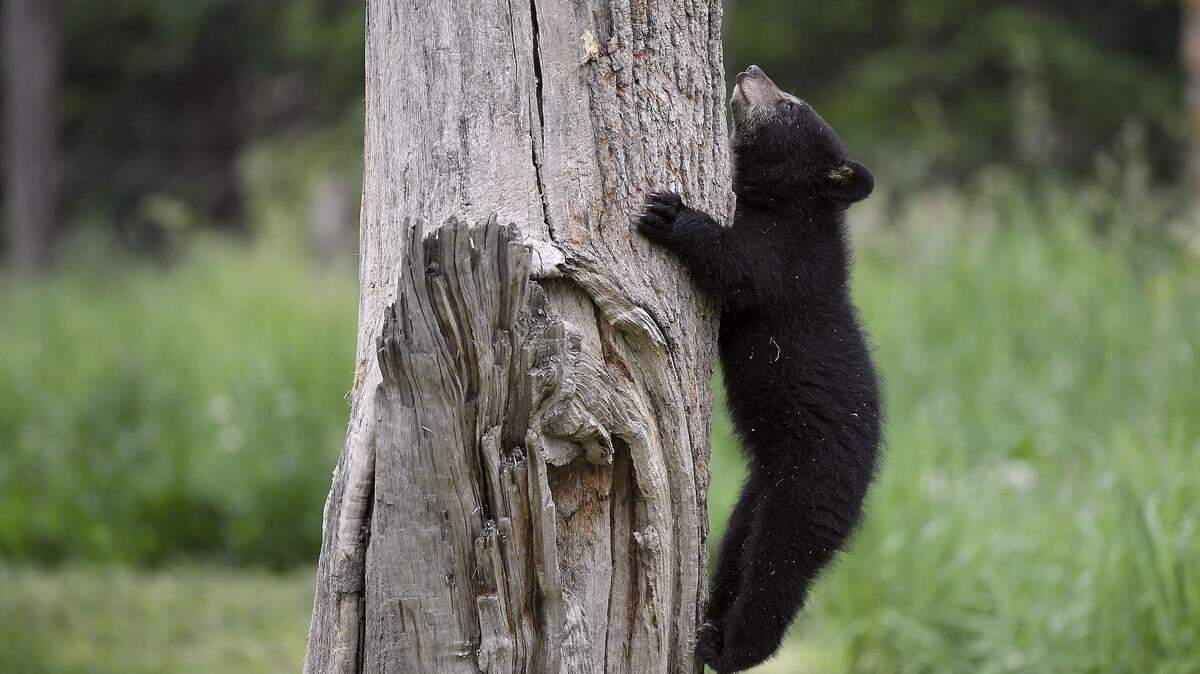
A mother black bear chose the crawl space beneath a Bergen County, New Jersey, home as her winter den, living there with four cubs for weeks before wildlife officials intervened.
The sow settled into a gap in the foundation created when the home’s previous owners built an addition and excavated beneath only half of it. The dark, insulated void made an ideal refuge for a denning bear — even if it had a street address.
Resident Vincent Lim told Optimum News 12 the family’s count kept climbing. “We saw that there were actually three cubs and then eventually four cubs, and then I think we have the final count now as one adult bear and four cubs,” he said. His first reaction was awe: “The initial reaction we saw them was, Wow, this is so cool. And they’re adorable.”
Why Bears Move Into Neighborhoods
As natural habitats shrink or become fragmented, black bears are pushed closer to neighborhoods where garbage, pet food and crops are easy to access. Bears are highly intelligent and quickly learn to return to places with reliable food. This tendency strengthens during hyperphagia, when bears eat almost constantly to prepare for hibernation.
The Bergen County sow showed that learned behavior clearly. The bears had been going through neighbors’ trash and bringing it back beneath the house while also chewing on wires to the central air unit. “The cubs are very intrigued by our central air unit, and so they’re using that as a climbing gym, and they’re chewing at the hoses and wires and things like that,” Lim said.
Wildlife Officials Held Back on Restraining the Bears
Veronica O’Brien-Lim called NJDEP Fish & Wildlife for help, but the agency’s response highlighted a central tension in human-wildlife conflict: intervention carries ecological risks.
“It seems like any intervention is really a last course of action,” she said, per WABC. “If they haze the mother out, she would possibly run and abandon the cubs, and then they would have to find another sow to basically put them with. Or if they tranquilized her and caught the cubs, they would have to create a new den for them nearby.”
Officials told her the bears would move on after a couple of days. Two more weeks passed. The spectacle drew crowds that created their own problems. “It was like paparazzi here, cars driving by, people walking by, where are the bears? It’s not a zoo,” said neighbor Donna VanRy.
Safety concerns grew. “People around here are concerned … because there are a lot of kids in the neighborhood,” Lim said.
One Cub Was Rescued and a Family Was Reunited
In April 2026, the bear family emerged from the den. But the departure did not go smoothly for every member. One cub became separated and stuck trying to scale a backyard fence. Neighbor Ray Miller heard the cries for help. “Then I went down and looked at a little cub trying to get over fence couldn’t make it,” he said.
A Fish & Wildlife crew rescued the cub and returned it to its mother. Officials said the bears were likely searching for food due to unusually warm weather but noted they might return in the fall to hibernate.
NJDEP Fish & Wildlife said in a statement, “Based on the site visit, the bear is in the process of moving its cubs. NJDEP Fish & Wildlife reminds the public of the importance of securing trash and other possible sources of food that can attract bears to properties.”
The Lim family has been advised to seal off the area beneath their house — closing the door on one sow’s unconventional den site.
This article was created by content specialists using various tools, including AI.