Ariel Toucans Went Locally Extinct 60 Years Ago. Now They’re Back — and Saving a Forest
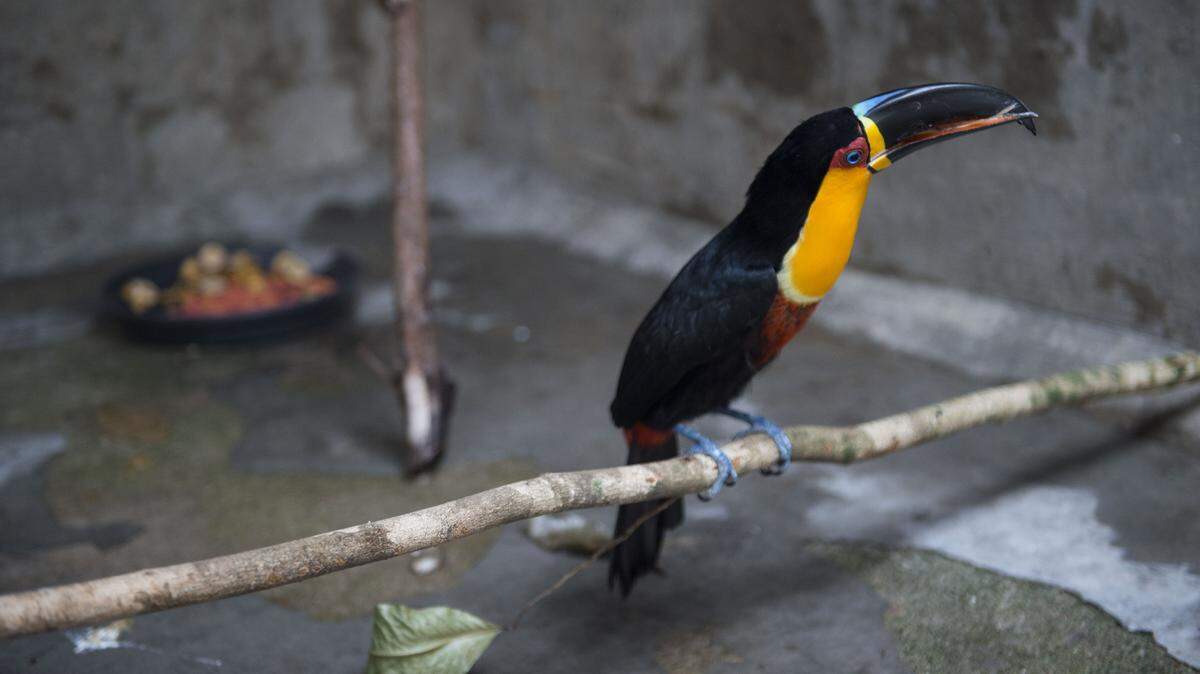
In 1970, a primatologist named Adelmar Coimbra Filho released 46 ariel toucans into Tijuca National Park, a damaged woodland inside Rio de Janeiro that holds the distinction of being one of the world’s largest urban forests.
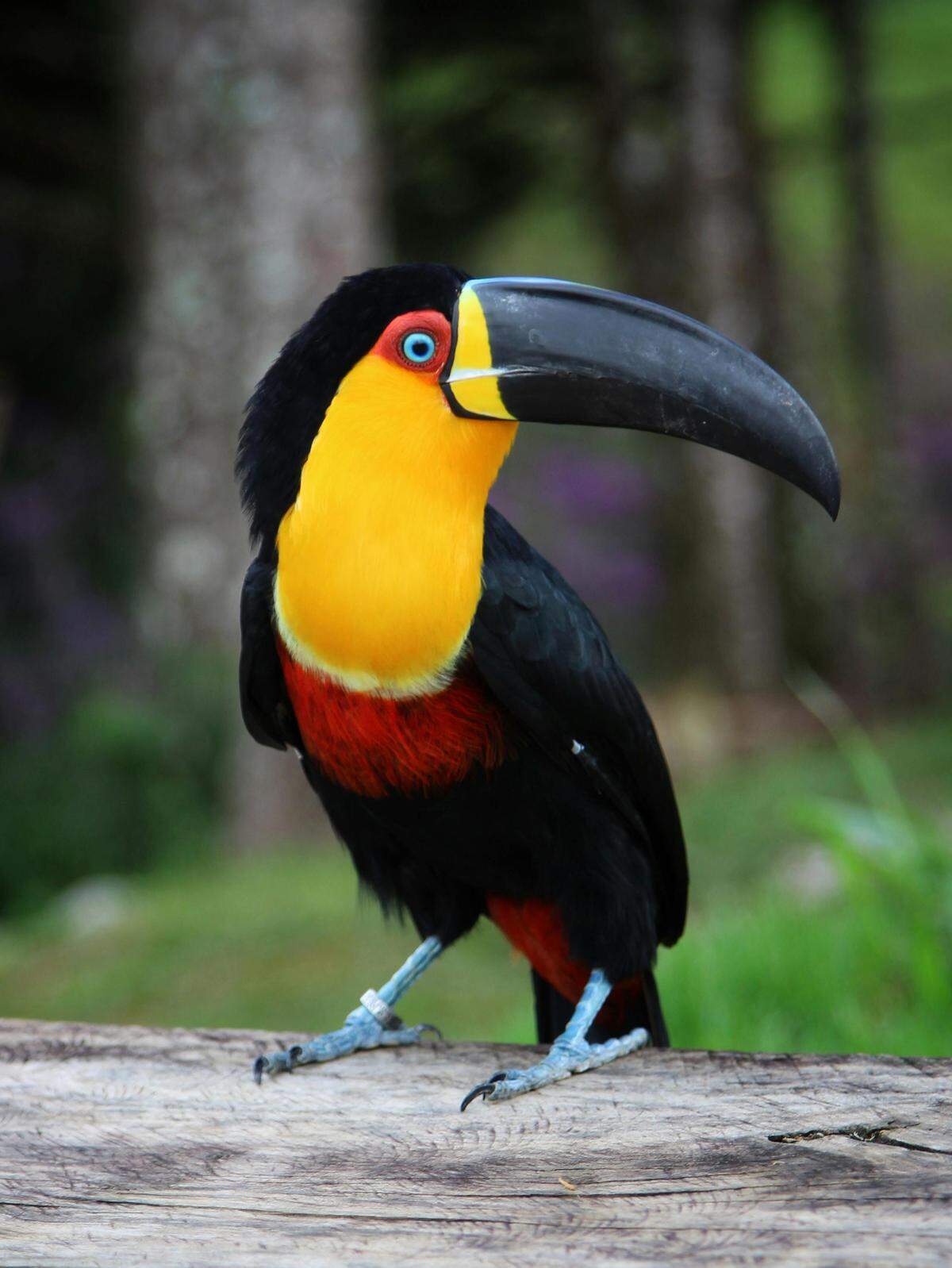
The colorful birds — known for their “bright orange breast, red abdominal feathers, red eyeskin and brilliant blue eye,” according to the National Finch and Softbill Society — had gone locally extinct in the 1960s.
Then, for 50 years, they went largely unmonitored. No one tracked what they ate, where they nested or whether the reintroduction had accomplished anything at all.
A pair of new studies now reveal the answer: the toucans didn’t just survive. They quietly restored a web of ecological relationships that the forest had lost — and the data is striking.
How Ariel Toucans Are Saving an Urban Forest
Scientists followed the toucans through the park over a 12-month period, often covering more than 20 km (12.4 mi) on foot daily to observe their eating behavior. They then compared what the birds actually ate against a catalog of 101 native plant species the toucans were historically known to consume.
The results, published February 24, 2026, in the journal Nordic Society Oikos, showed the birds had resumed feeding relationships with roughly 76% of those historically documented plants.
For plants producing medium and large seeds — greater than 6 mm (0.2 in) — the recovery rate climbed even higher, close to 90%. Specifically, the rate reached 88% for medium-seeded and 89% for large-seeded species. Recovery was lower for small-seeded plants, at about 63%.
Those large-seed numbers matter enormously.
What’s So Special About Ariel Toucans?
Frugivorous animals — those whose diet primarily consists of fruit, like the ariel toucan — play a vital role in seed dispersal by ingesting fruits, digesting the pulp and passing unharmed seeds in their droppings far from the parent plant.
Toucans can crack open tough fruit casings that most other animals cannot, making them potentially vital carriers of seeds for at-risk tree species.
Other animals have been reintroduced to Tijuca National Park, including red-rumped agoutis and brown howler monkeys. But those species showed very little overlap in diet with the toucans, confirming the birds fill a distinct ecological niche — especially for spreading larger seeds.
Two threatened native trees — the jussara palm and the bicuíba-branca — were among the toucans’ top food sources. Both have lost over half their natural territory.
The jussara palm, in particular, was identified as the toucan’s most frequently consumed plant, a finding that underscores how a single reintroduced species can directly support the survival prospects of threatened flora.
Ariel Toucans Are ‘Intelligent Beings’
Lead researcher Flávia Zagury, an urban ecology specialist at the Federal University of Rio de Janeiro, described the birds as “sociable” and “intelligent beings” in an interview with Mongabay.
“The way they are able to handle fruits: Sometimes it has a hard capsule on the outside, and they hold it with their little feet and open it with their beaks,” Zagury said.
“They have an incredible ability to access these resources,” she added.
That mechanical skill is part of what makes toucans irreplaceable in this ecosystem.
When frugivorous animal populations decline or go locally extinct, it can have a direct impact on the ecosystem, with some plants declining alongside them. The ariel toucan’s return appears to be reversing that pattern.
What Remains Unknown
Zagury noted in her Mongabay interview that much is still unknown — particularly the extent to which toucans actually drive seed dispersal and forest regrowth.
Eating fruit is one step; whether those seeds germinate and grow into mature trees is a question researchers have yet to fully answer.
That honest caveat makes the confirmed data all the more compelling. This is one of the first assessments of how well the reintroduction has worked after more than five decades, as the birds were essentially left unmonitored since their release.
What is known is that ariel toucans are back — and their diet could play a crucial role in helping threatened native trees thrive again.
This article was created by content specialists using various tools, including AI.