Tiny New Spider Species Named After Pink Floyd's ‘The Wall’ for Its Wall-Loving Habitat
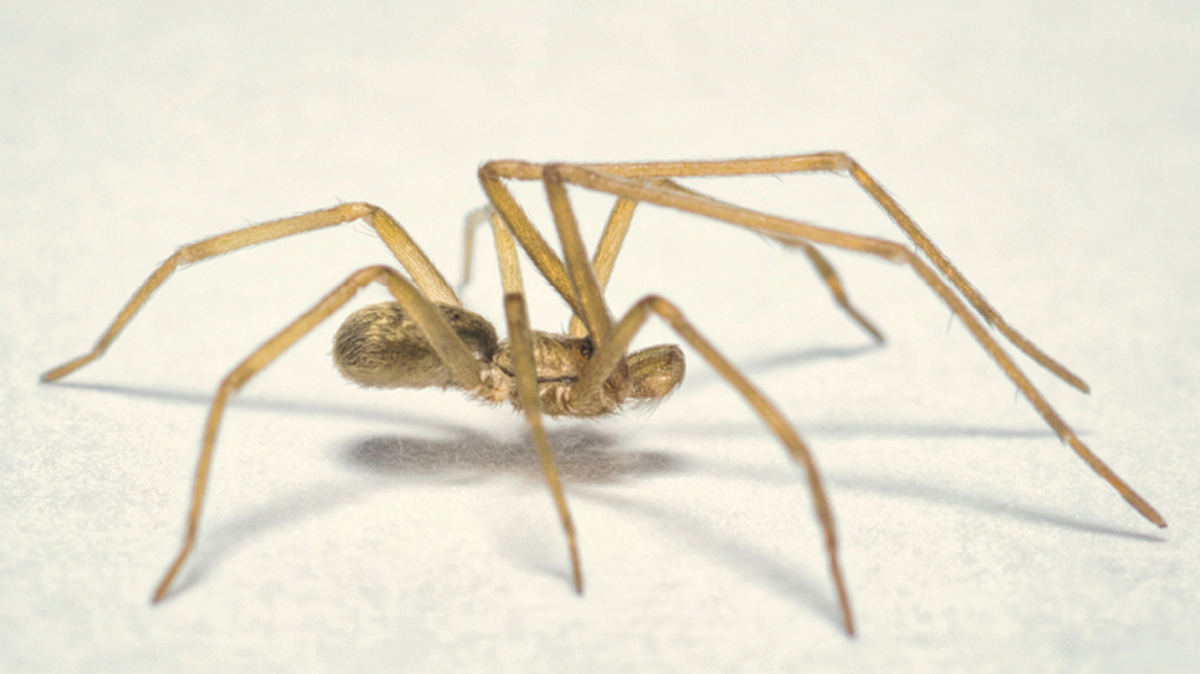
Scientists have discovered a tiny new spider species in Colombia — and its name is a nod to one of rock music’s most iconic albums.
The spider, officially named Pikelinia floydmuraria, was identified by researchers from South American institutions. Their findings were published in the journal Zoosystematics and Evolution.
So where does Pink Floyd fit in? The name is a direct tribute to the legendary band and its 1979 album The Wall, which was later adapted into a live-action/animated musical surrealist drama film directed by Alan Parker in 1982.
Likewise, “Muraria” comes from the Latin word for “wall,” making the full species name a clever reference to the spider’s wall-dwelling behavior.
A Spider Species That Lives on Your Walls
Unlike many spiders found deep in forests or remote habitats, Pikelinia floydmuraria thrives in cities. It was found in Colombia, including in urban areas, on building walls and even on a colorful mural in Quindío.
The species is classified as a synanthropic species, meaning it has adapted to human-made environments. It is commonly found in cracks and crevices of walls and around buildings in urban areas.
The spider also builds its webs near artificial light sources like streetlights. The reason for this behavior is strategic: it catches light-attracted insects, known as phototactic prey.
How Big Is the Pink Floyd Spider?
Don’t expect to spot this spider easily. At about 3–4 millimeters long — roughly 0.1 inch — it is a small, sandy-brown creature that blends into its surroundings.
Females of the species have reproductive organs featuring long, slender S-shaped tubes, while males have palpal structures used for reproduction.
Despite its tiny size, the spider punches well above its weight when it comes to hunting. In fact, it has been observed capturing prey up to 6 times its own size, according to researchers.
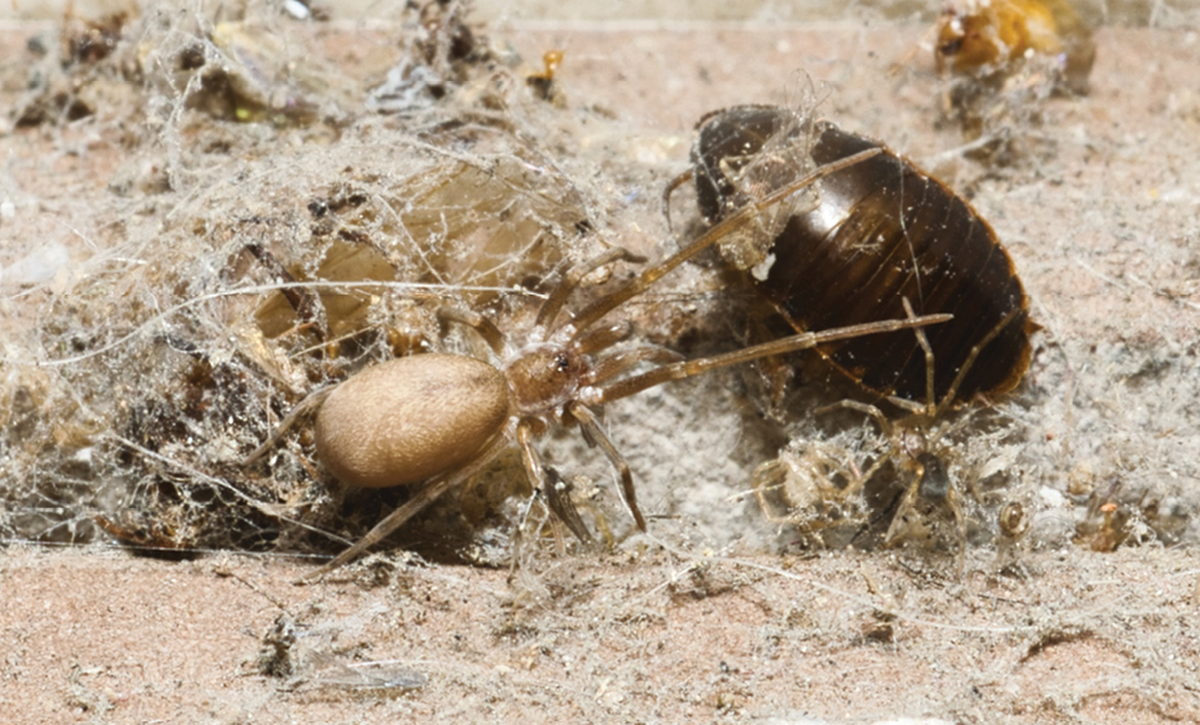
Its diet includes ants (Hymenoptera), flies and mosquitoes (Diptera) and beetles (Coleoptera), all of which are trapped using webs positioned near lights.
Because of this, it plays a role in controlling urban pest populations, helping reduce agricultural pests and disease-carrying insects like flies and mosquitoes.
Spiders as a whole consume an estimated 400 to 800 million tons of insects and other pests annually, according to Science Daily. The Pink Floyd spider is one more contributor to that effort, quietly working on the walls around us.
The Spider Species Comes With an Evolutionary Puzzle
The discovery also raises a fascinating scientific mystery.
Pikelinia floydmuraria is closely related to Pikelinia fasciata, a species found on the Galápagos Islands. The two share nearly identical morphology and matching male reproductive structures.
The major question: How did two nearly identical species end up over 1,000 miles apart, separated by the Pacific Ocean and the Andes Mountains?
The discovery also helped fully describe and illustrate female genitalia of P. fasciata for the first time, expanding knowledge of the Pikelinia genus.
The Pink Floyd spider is only the second recorded Pikelinia species in Colombia.
Scientists recommend further DNA barcoding and molecular and dietary analysis. The goals are to determine the species’ evolutionary history, identify its biogeographic origin and better understand its ecological role.
For now, the next time you notice a tiny spider on a building wall, consider this: it might just be a rock-and-roll arachnid doing its part to keep pests in check.
This article was created by content specialists using various tools, including AI.