Fatou the Gorilla Turns 69, Becoming One of the Oldest Gorillas Ever in Captivity
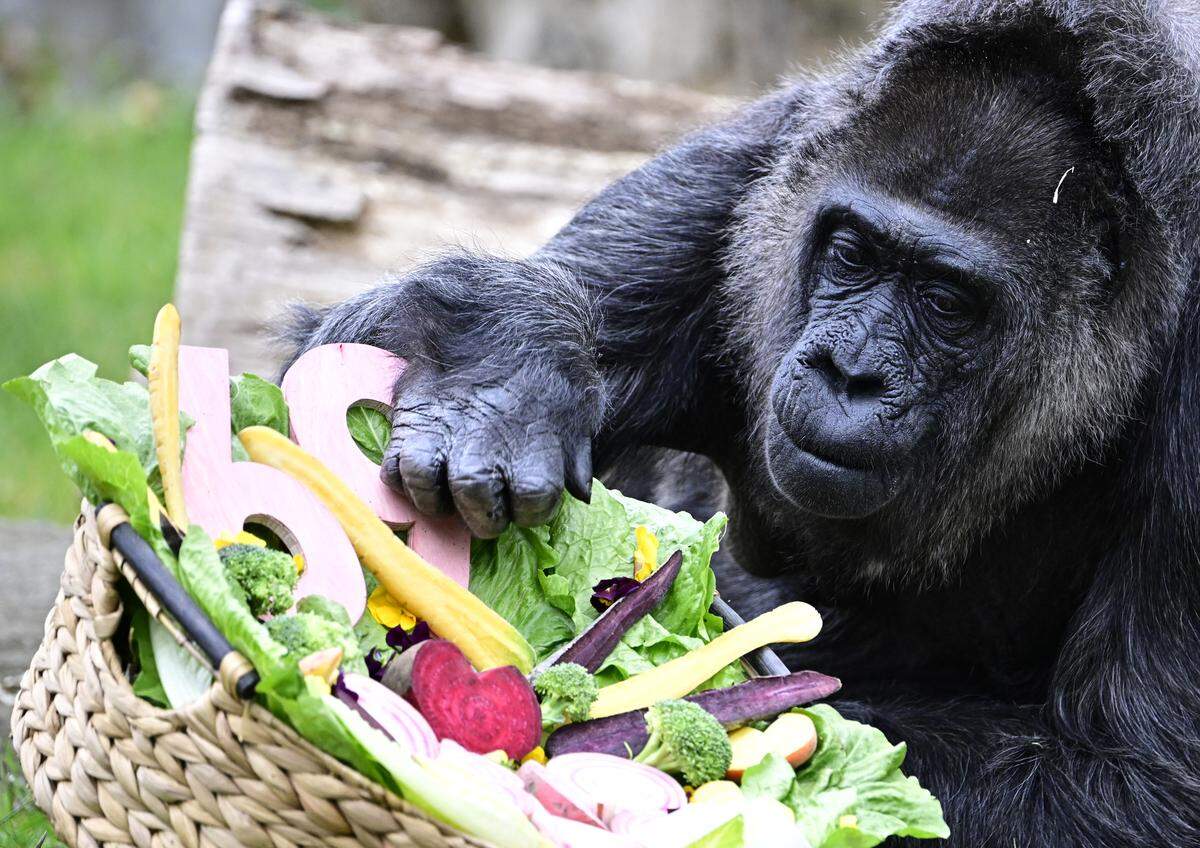
Imagine throwing a birthday party without cake — but with cherry tomatoes, beets and lettuce instead. That’s exactly how the world’s oldest gorilla celebrated her big day, and the story behind her remarkable life is one the whole family can marvel at together.
Fatou, the world’s oldest gorilla living in captivity, turned 69 at the Berlin Zoo, where staff honored her on April 13 with a special meal tailored just for her. The birthday spread included cherry tomatoes, beets, leeks and lettuce, per AP. No cake was provided due to health considerations for the aging primate — a detail any parent who has navigated dietary restrictions at a kid’s party can appreciate.
A Birthday Worth Celebrating
April 13 isn’t technically Fatou’s real birthday. The western lowland gorilla is believed to have been born in 1957 in West Africa, but her exact birthdate is unknown. Instead, April 13 has been designated as her official birthday — a tradition that gives zookeepers and fans alike a reason to celebrate each year.
At 69, Fatou has lived far beyond what most gorillas experience. In the wild, western lowland gorillas typically live 35 to 40 years, while individuals in captivity can live longer. That means Fatou has nearly doubled the lifespan of her wild counterparts — a fact that might spark big questions from curious kids about how animals age and why care makes such a difference.
A Life That Spans Decades
Fatou’s story stretches back more than six decades. According to Guinness World Records, she arrived in Europe in 1959 via Marseille, France, after reportedly being taken from the wild by a French sailor and later sold to the zoo.
She has lived at the Berlin Zoo since 1959, making her its longest-residing animal. She became the zoo’s oldest resident in 2024 following the death of Ingo the flamingo, which had lived at the zoo since 1955 and was believed to be at least 75 years old.
A Great-Great-Great-Grandmother
For families who love tracing their own family trees, Fatou’s lineage is extraordinary. She gave birth to a daughter, Dufte, in 1974 — the first gorilla born at the Berlin Zoo. Although Dufte died in 2001, Fatou has living descendants, including her granddaughter M’penzi and at least three great-great-great-grandchildren as of 2026.
That’s right — great-great-great-grandchildren. Try counting those “greats” on your fingers with your kids. Fatou’s family tree stretches across generations in a way that makes her story feel both wild and wonderfully relatable.
Growing Old Gracefully
Like many elderly individuals, Fatou faces the challenges that come with age. She has lost her teeth and experiences arthritis and hearing loss. She generally avoids interaction with other gorillas and lives in a separate enclosure where she receives dedicated care from zoo staff.
Those details might sound a little sad, but they also tell a story of deep commitment. The team at Berlin Zoo has spent decades ensuring Fatou is comfortable, healthy and well-fed — even if that means preparing a custom birthday meal of soft vegetables she can enjoy without teeth.
Zoo director Andreas Knieriem said in a previous statement:
“We are very proud to have been able to accommodate an animal with us now for more than half a century. We are pleased that Fatou is in such good health despite her age.”
A Story Worth Sharing
Fatou’s birthday is more than a feel-good headline. It’s a window into what dedicated care and attention can mean for an animal’s life — and a gentle reminder of how much wonder the natural world still holds. Whether you’re reading this at the breakfast table or sending it to the family group chat, it’s the kind of story that invites a simple, powerful question from kids and grown-ups alike: How do we take care of the creatures we share this world with?
Happy 69th, Fatou. Here’s to many more cherry tomatoes.
This article was created by content specialists using various tools, including AI.