
Pests in Your Garden? Here are the Plants You Need to Remove to Stop Infestations Fast
If you have been battling bugs in your garden all season, the culprit might not be bad luck — it could be the plants themselves.
From beloved roses to summer staples like tomatoes and watermelons, some of the most popular plants in home gardens are also the biggest magnets for destructive pests. Knowing which plants tend to invite infestations can help you plan smarter, act faster and protect the rest of your garden before problems spread.
Roses: A Classic Beauty With a Pest Problem
Roses are one of the most documented pest-attracting ornamentals. Their tender new growth and high sap content create an easy feeding source for a wide range of insects.
Among the most common pests drawn to rose bushes are aphids, spider mites and Japanese beetles. Aphids are particularly troublesome because once they establish themselves on a rose plant, they spread quickly to nearby plants. That means a single infested rose bush can become the starting point for a much larger problem across your garden beds.
Gardeners who grow roses should be especially vigilant during periods of new growth, when the soft stems and buds are most vulnerable to feeding.
Tomatoes: Productive but Problematic
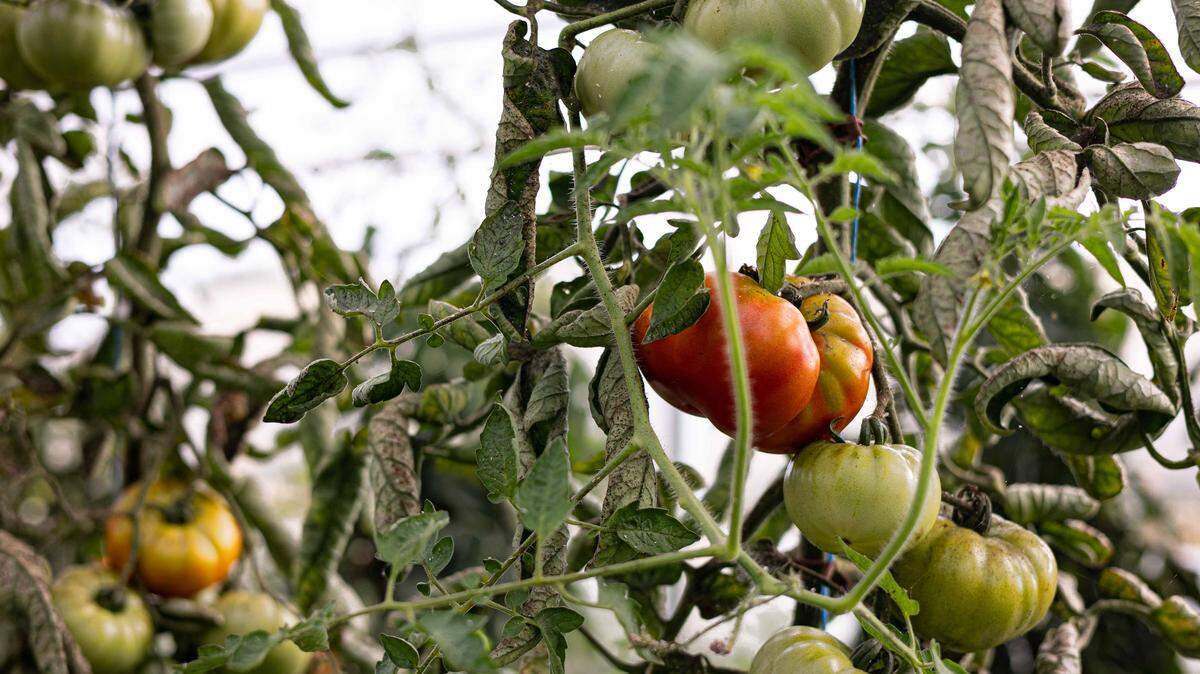
Tomatoes are a backyard garden favorite for good reason — they are extremely productive. But that productivity comes with a downside: tomatoes are also pest magnets.
Aphids, whiteflies and hornworms are among the most common pests attracted to tomato plants. The reason comes down to chemistry and structure. Tomato plants produce nutrient-rich foliage and strong plant volatiles that attract sap-sucking insects. On top of that, their dense canopy creates humid microclimates that pests love.
For anyone growing tomatoes in a home garden, regularly inspecting the undersides of leaves and the interior of the plant canopy can help catch infestations early, before they have a chance to take hold.
Marigolds: Not Always the Pest-Fighting Hero
Marigolds have long been recommended as a natural pest deterrent, and there is some truth to that reputation — research shows they can repel some nematodes. However, the picture is more complicated than many gardeners realize.
Research shows marigolds have a dual effect. While they may keep certain pests at bay, they can also attract spider mites, slugs and aphids in dense plantings. That means a thick border of marigolds intended to protect your vegetable patch could actually be drawing in the very pests you are trying to avoid.
Gardeners who use marigolds as companion plants may want to consider spacing and planting density carefully to avoid inadvertently creating new pest problems.
Brassicas: Major Host Crops for Hungry Insects
Cabbage, kale and broccoli — members of the brassica family — are among the most pest-prone vegetables a home gardener can grow. These plants are considered major pest “host crops,” commonly attracting cabbage worms, aphids and flea beetles.
Seed to Spoon app founder Carrie Spoonemore explained the challenge to The Spruce “Growing cabbage is rewarding yet difficult, due to pests like cabbage worms and harlequin bugs. These pests can quickly decimate cabbage plants if not managed properly.”
Anyone growing brassicas should know that the broad, leafy surfaces of these plants offer both food and shelter for a variety of insects, making regular monitoring essential throughout the growing season.
Watermelon: Tempting Fruit, Tough to Protect
Large fruits present their own unique set of challenges for home gardeners, and watermelons are a prime example.
Spoonemore also told The Spruce that watermelons are particularly difficult to manage. “Large fruits like watermelons are another challenging plant for home gardeners to grow and care for. They are not only temperamental in their growing requirements, but also attract a range of pests that can affect their development and yield,”
Between their specific growing needs and their vulnerability to a range of insects, watermelons demand a high level of attention from gardeners who want a successful harvest.
Grapevines: A New Threat Joins the List
Grapevines attract their share of welcome visitors, but they have also become a target for one of the more concerning invasive pests in recent years.
Lisa Milbrand explained the risks in Real Simple: “Grapevines can be a favorite of pollinators like birds and bees, but it’s also attractive to a brand-new plant pest, the spotted lanternfly. The nymphs and adult lanternflies feed on the sap of the grapevines, not only damaging your vines (and your yield), but leaving behind a sticky residue that can cause sooty mold to develop on your plants.”
The spotted lanternfly poses a dual threat — direct damage from sap feeding and secondary damage from the mold that develops on the sticky residue they leave behind.
What Gardeners Should Know
None of this means you have to rip out your roses or abandon your tomato plants. But understanding which plants are most likely to attract pests gives you a significant advantage. Early identification and consistent monitoring are key to preventing a small pest problem from becoming a garden-wide infestation.
This article was created by content specialists using various tools, including AI.