
Love Hummingbirds? Best Plants and Flowers That Naturally Attract Them to Your Garden Now
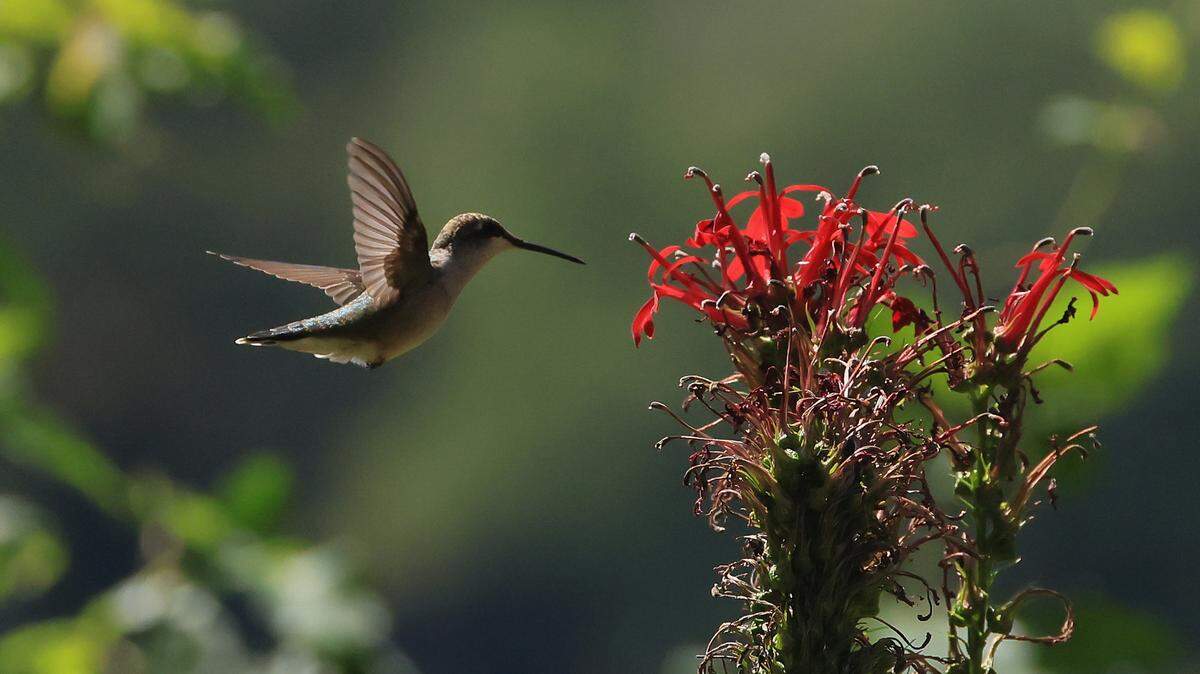
Creating a hummingbird garden is more than a landscaping project. It’s a living science lesson, a reason to get outside every morning and an act of environmental stewardship your children can see paying off in real time. The best part? Getting started is surprisingly simple, and the plants that do the job are some of the most colorful and dramatic flowers you can grow.
Start With the Showstoppers Kids Will Love
If you want your children invested in this project from day one, lead with plants that grab their attention.
Cardinal flower produces vibrant red spikes that strongly attract hummingbirds. The intense color is hard to miss from across a yard, making it a perfect plant for young nature watchers to monitor from a window or porch.
Bee balm is another family favorite, blooming in bright red, pink or purple and packed with nectar. Deb Wiley with Birds and Blooms writes: “For a surefire way to attract hummingbirds with flowers, grow bee balm. This beauty grows up to 4 feet tall in full sun and starts flowering in midsummer. You can even find several varieties on the market that are resistant to mildew. Whether you choose natives or cultivated varieties, the birds can’t resist the nectar-rich blooms. Bee balm needs sun, moist soil, and plenty of air circulation to ward off powdery mildew.”
At up to 4 feet tall, bee balm grows right to a child’s eye level — or above it — making it a genuinely thrilling plant for little gardeners to tend.
Trumpet vine adds real drama with its large, trumpet-shaped flowers. Arricca Elin SanSone and Christopher Michel for Country Living says, “Trumpet Vine’s long, tubular flowers are deeply attractive to hummingbirds, and ruby-throated hummingbirds in particular. The good news? It’s very easy to grow. The bad news? Though it’s a native plant, it’s an aggressive grower and can be invasive in some parts of the country. The vines can grow upwards of 30 feet in one season! If you’re up for keeping it in check, however, it’s sure to draw birds to your yard.”
That vigorous growth can actually be a fun talking point for kids learning about how plants behave differently — and why some need a little extra management.
Build a Garden With Something Blooming All Season
A hummingbird habitat works best when it offers nectar from spring through fall. Planting a mix ensures your family always has something to observe.
Columbine is an early-season bloomer with nectar-rich spurs, giving your garden a head start in spring. Weigela also produces spring blooms that hummingbirds love, extending that early window of activity.
As summer arrives, salvia — especially red varieties — delivers long blooming periods and is highly attractive to hummingbirds. Butterfly bush sends up long flower spikes that draw both hummingbirds and bees, offering kids a chance to compare how different pollinators feed.
Petunias, especially red or purple varieties, work beautifully in containers or planter beds. These are an excellent choice for families with limited yard space or for children who want their “own” pot to care for.
Honeysuckle adds fragrant flowers rich in nectar, and spirea provides nectar while also attracting insects — another layer of the ecosystem for curious kids to explore.
Lantana is a sturdy option for warmer months. Country Living writes, “Lantana is a sturdy plant that doesn’t mind heat and drought once it’s established. In most of the country, it is an annual, though it can become a perennial shrub in warm climates. Look for new varieties which are not invasive.”
Create a Pesticide-Free Space for Pollinators and Family
Here’s where your family’s garden project becomes something bigger. Building a true hummingbird habitat means thinking beyond flowers — and skipping chemicals that can harm the very creatures you’re trying to welcome.
Home Depot says, “Trees are an important part of a hummingbird habitat. They provide branches for perching and nesting, protection from predators and a source for the insects that hummers eat. Avoid using herbicides or pesticides to create the optimal pollinator-friendly habitat. Include more than one hummingbird feeder in your yard. Get your neighbors in on the fun and create a pollinator ecosystem in your neighborhood to attract even more hummingbirds.”
That last point is worth emphasizing for families. Imagine talking to neighbors about planting complementary flowers, turning an entire block into a connected corridor for hummingbirds and other pollinators. It’s a community-building activity that gives kids a sense of purpose that extends past their own fence line.
Going pesticide-free is also a family health value. When your children are digging in the soil, watering plants and leaning in close to watch a hummingbird feed, you want that space to be as clean and natural as possible.
Make It a Family Routine
Once your garden is planted, the real adventure begins. Assign your kids observation roles. Who spotted the first hummingbird of the day? Which flower got the most visits this week? A simple nature journal can turn daily check-ins into a screen-free ritual that builds patience, attention to detail and genuine wonder.
A hummingbird garden is not a one-weekend project. It is an ongoing family endeavor — one that grows richer and more rewarding with every season, every new bloom and every tiny, iridescent visitor that finds its way to your yard.
This article was created by content specialists using various tools, including AI.