
How to Power Wash Your Home Safely Without Damaging Siding, Paint, Windows or Surfaces
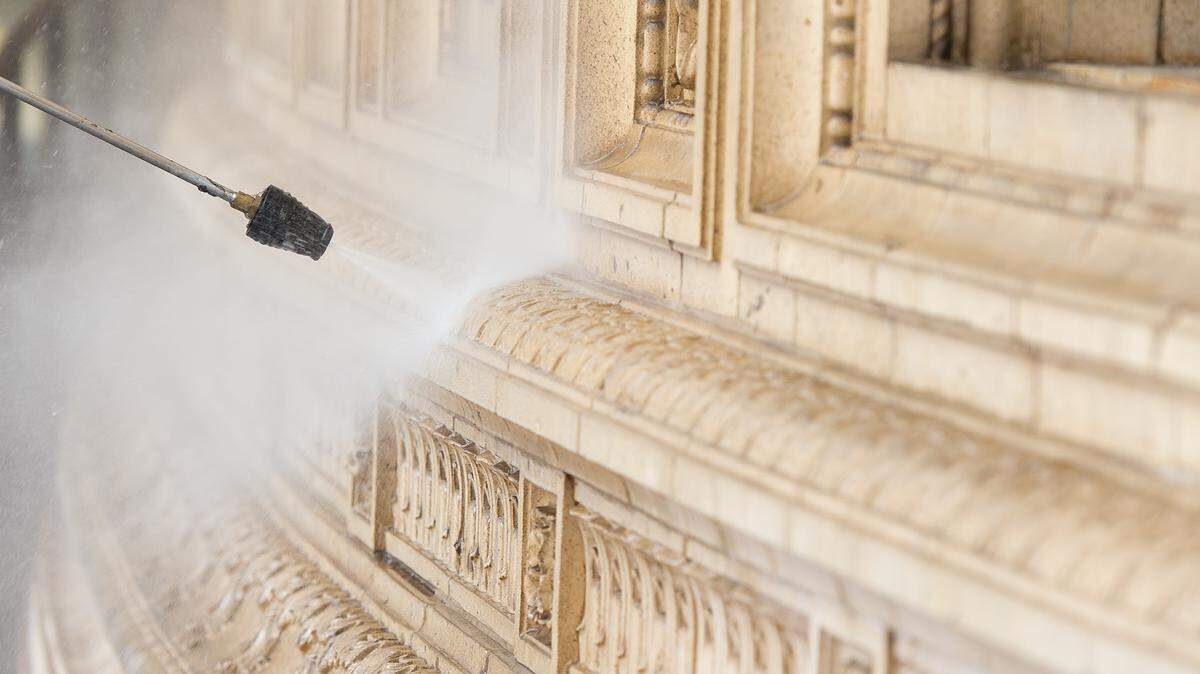
Power washing ranks among the most satisfying tasks on any spring cleaning checklist. One pass of the wand and months of grime vanish from your siding, driveway and deck. But point that nozzle at the wrong surface — or use too much pressure — and you can crack paint, gouge wood or force water behind your siding where it has no business being.
The good news: a damage-free power wash comes down to preparation, the right settings and proper technique. Here is everything you need to know before you fire up the machine this season.
Prep the Area Before You Spray a Drop
Skipping prep is how spring cleaning projects turn into spring repair projects. Before you pull the trigger, work through this quick checklist:
- Close all windows and doors tightly.
- Cover outlets, lights and vents with plastic sheeting.
- Move outdoor furniture, grills and décor well out of range.
- Wet down plants and landscaping to protect them from cleaning solutions.
- That last step matters more than most people realize. A quick soak with a garden hose creates a barrier that helps prevent detergent from absorbing into leaves and roots.
Match Pressure and Nozzle to the Surface
This is where most damage happens. Different materials require very different pressure levels:
- Vinyl siding: low to medium pressure, 1,200–2,000 PSI
- Wood siding: low pressure, 1,200–1,500 PSI
- Brick and concrete: higher pressure is safe, 2,500–3,000 PSI
Your nozzle choice matters just as much as your PSI setting. The color of the nozzle tip tells you its spray angle, and a narrower angle means more concentrated — and more destructive — force.
Best Pick Reports breaks down the full nozzle lineup: “A red tip is the narrowest angle—zero degrees. This tip creates a water stream that can do a lot of damage, so be careful. Yellow tips create a spray with a 15-degree angle. Reach for this nozzle when you need to pressure wash concrete around your house. A green tip produces a 25-degree spray. This works well for all-purpose household pressure washing. Perhaps the most user-friendly nozzle, a white tip produces a 40-degree spray. Use the white tip if you’re planning an exterior home cleaning day. A white-tipped nozzle is suitable for windows and siding. Producing a spray angle of 65 degrees, a black nozzle is the gentlest. In fact, this spray is so light that it typically won’t remove dirt or stains.”
For most spring cleaning tasks around the house, the 25-degree green nozzle handles general cleaning and the 40-degree white nozzle works for delicate areas. Avoid the zero-degree red nozzle — it is too strong and can cause serious damage.
Apply the Right Cleaner
Water alone often is not enough to cut through a season’s worth of buildup. Use a house-safe detergent for siding and avoid harsh bleach mixes unless the product is specifically labeled safe for your surface. Apply cleaner with a low-pressure soap nozzle and let it sit for 5–10 minutes. Do not let the solution dry on the surface before rinsing.
Use the Right Washing Technique
Technique is where careful spring cleaners separate themselves from the crowd. Follow these rules to protect your home:
- Always spray at a downward angle. Spraying upward forces water behind siding and into wall cavities.
- Keep the nozzle about 2–3 feet away from the surface to start.
- Use smooth, sweeping motions rather than holding the stream in one spot.
- Work in manageable sections so you maintain control.
- When applying soap, wash from bottom to top — this prevents streaking. When rinsing, work from top to down so dirt and cleaner flow away cleanly.
Know Your Danger Zones
Certain areas around your home demand extra caution:
- Windows: Use low pressure and a wider nozzle to avoid cracking glass or breaking seals.
- Painted surfaces: Too much pressure will peel paint right off.
- Wood: Can gouge or splinter easily under high pressure.
- Roof: Generally, do not power wash your roof. The force can damage shingles.
Home Depot offers additional safety guidance: “Use a tarp or plastic covering over shrubs and garden plants. Secure the tarps in place with duct tape. Keep your pressure washer wand at least 6 feet away from electrical wires and never spray water into outlets. Cover electrical sockets with duct tape or close the covers prior to washing. Pre-scrub the exterior with a scrub brush or spray with a garden hose to remove any dirt, debris or mildew.”
Common Mistakes to Watch For
Even with the right equipment, these errors can ruin a spring cleaning day fast:
- Spraying upward under siding
- Cranking pressure too high to “go faster”
- Standing too close to the surface
- Skipping detergent when water alone is not cutting it
- Power washing delicate areas like window seals aggressively
If you add power washing to your spring deep cleaning checklist this year, the payoff is real — a home exterior that looks freshly painted without the cost. Just take the time to prep properly, dial in the right settings and let technique do the work instead of brute force. This article was created by content specialists using various tools, including AI.