Oregon Zoo Hatches 2 Tiny Humboldt Penguin Chicks in Major Win for Vulnerable Species
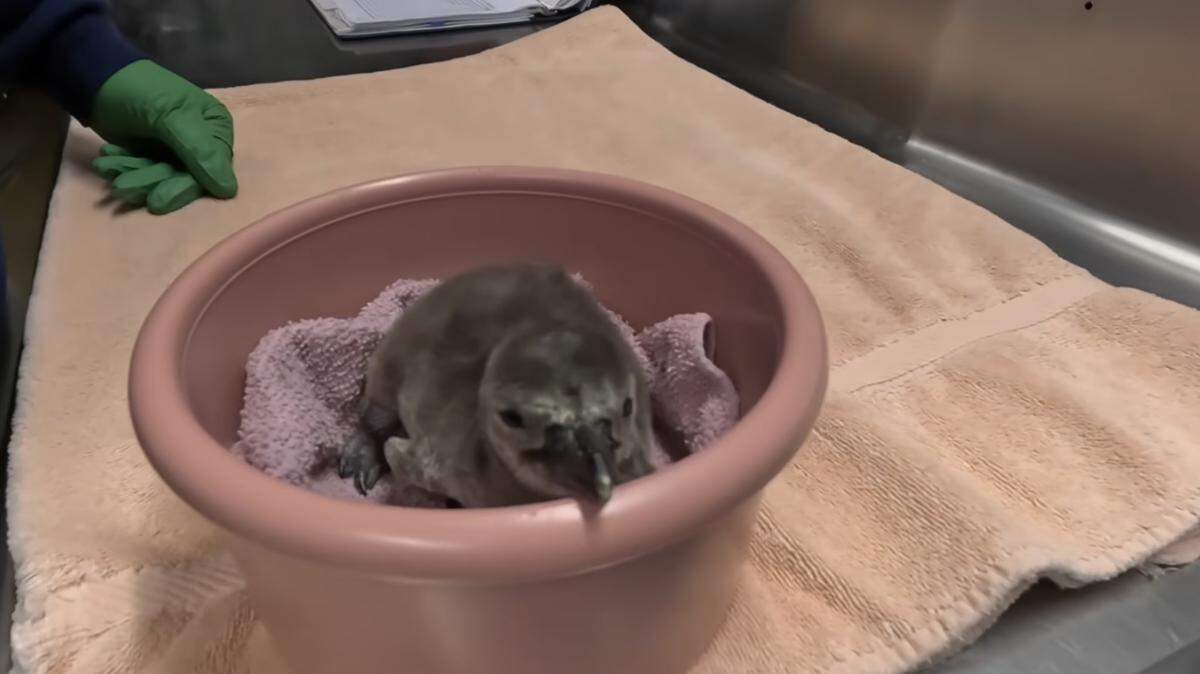
Two tiny Humboldt penguin chicks — small enough to fit in a person’s hand — recently hatched at the Oregon Zoo, marking a milestone for a species under growing pressure in the wild.
The chicks are the 194th and 195th Humboldt penguins born at the zoo since its breeding program began in the 1980s. The zoo houses one of the largest Humboldt penguin populations in the United States and participates in coordinated breeding programs such as those run by the Association of Zoos and Aquariums. Those programs aim to maintain healthy, genetically diverse populations, with each new chick supporting efforts to raise public awareness about the challenges the species faces in its natural environment.
How the Humboldt Hatching Unfolded at Oregon Zoo
The first chick began “pipping” — when a chick’s beak breaks through the membrane of its shell — on Monday, March 9, and hatched early the next day. The second chick followed about a week later, starting to pip on March 17 and hatching on March 19. Humboldt penguins usually hatch around 40 days after their eggs are laid, and it typically takes two to three days from pipping to fully emerging.
“We’ve been keeping an eye on these eggs since they were laid earlier this winter,” said Nicole LaGreco, who oversees the penguin area at the zoo. “Both sets of parents nested wonderfully, and the chicks hatched right on schedule.”
The chicks won’t meet each other for a while. According to LaGreco, penguin chicks stay in their nests with their parents for about three months before venturing out.
“Once the chicks are big enough to venture out of their nests, we expect them to spend a lot of time together,” LaGreco said. “We’re excited for zoo guests to watch them interact — and each chick has a built-in swimming buddy.”
Humboldt’s Are a Species Under Pressure From Threats
Humboldt penguins are considered “vulnerable” by the International Union for Conservation of Nature and are protected under the U.S. Endangered Species Act. Their global population is estimated at about 12,000 breeding pairs.
The threats they face are largely human-driven: overfishing, getting caught in fishing nets, climate shifts, habitat disruption and the removal of guano that penguins use for nesting. In the wild, these pressures make successful breeding increasingly difficult.
What Makes Humboldt Penguins Unique
These birds are built for speed and endurance in temperate coastal waters along Peru and Chile. They can reach speeds of up to 30 mph underwater. They usually dive around 100 feet deep but sometimes go beyond 200 feet when hunting. Penguins that are not breeding can stay in the water for more than 150 hours at a time.
They have special clear eyelids that protect their eyes underwater. Special glands above their eyes filter saltwater, expelling it through their bills.
Adults are about 15 to 18 inches tall and weigh around 9 pounds. Their feathers have two layers: an outer layer that repels water and wind and an inner layer that keeps them warm. They also spread oil from a gland over their feathers to improve insulation and reduce drag while swimming.
Their diet includes fish, squid, crabs, krill and other sea life. They typically mate for life and recognize each other through unique calls.
What Happens Next for the Chicks
The two chicks will remain in their nest boxes, growing on a diet of regurgitated “fish smoothie” provided by their parents. When old enough to walk and swim on their own, they will begin exploring the zoo’s Penguinarium, designed to resemble the rocky coasts of Chile and Peru where Humboldt penguins naturally live.
By summer, the chicks will be nearly as tall as the adults, though they will still look different. Young Humboldt penguins have grayish-brown feathers and won’t develop their signature black-and-white coloring for a few years. They typically begin to swim at around 12 weeks old.
How Consumers Can Help the Species
One way to support Humboldt penguins is by choosing sustainably sourced seafood. Using tools like the Seafood Watch app can help consumers make choices that protect the fish populations these penguins rely on.
Humboldt penguins are one of 17 penguin species, all of which live in the Southern Hemisphere. Named after the cold Humboldt Current that flows along South America’s western shoreline, they spend most of their lives in the ocean, returning to land to rest in burrows between trips. Protecting their food supply is one of the most direct ways to help them thrive.
This article was created by content specialists using various tools, including AI.