Researchers Rediscover Five ‘Lost’ Bird Species in 2025 Across Remote Regions Worldwide
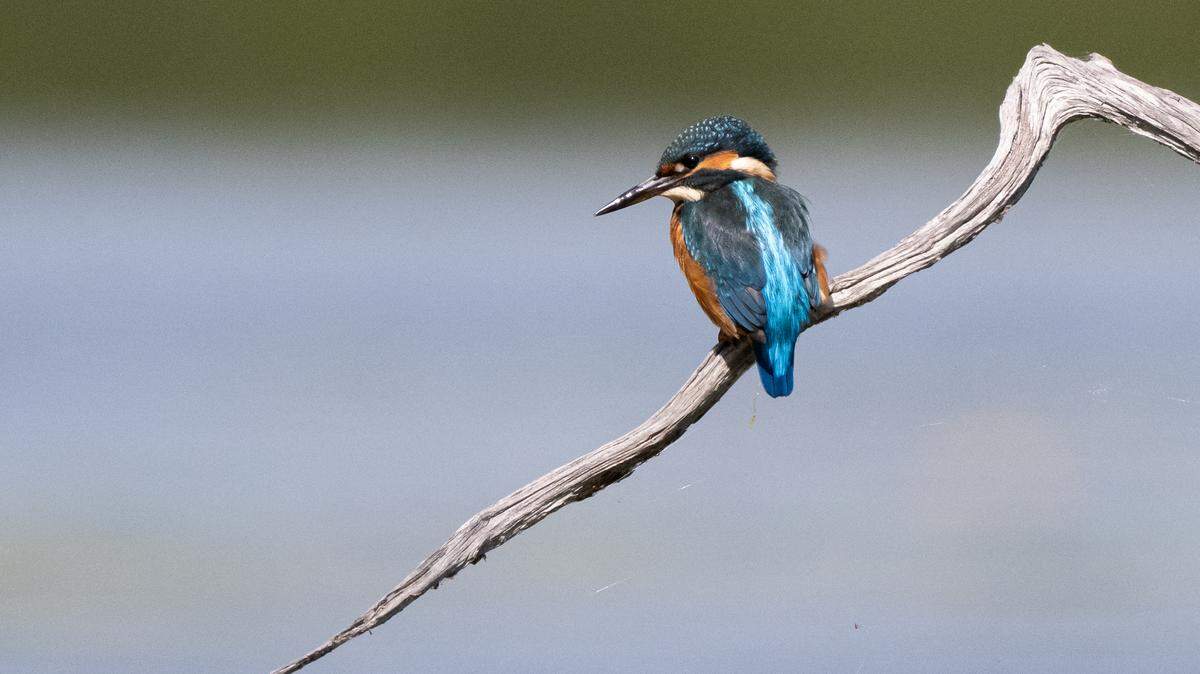
Birdwatchers and researchers documented five bird species in 2025 that had not been seen, heard or genetically detected in over a decade, according to the 2026 update of the Lost Birds List maintained by the Search for Lost Birds project.
The rediscoveries contributed to a notable reduction in the number of species classified as “lost” and underscored ongoing global efforts to locate birds that may still exist in the wild.
The Search for Lost Birds project is a collaboration between American Bird Conservancy, Re:wild and BirdLife International. The list tracks species not documented for at least a decade using sightings, recordings or genetic evidence.
John Mittermeier, director of the Search for Lost Birds project, described the list as an “early warning system” for species that have not been observed recently. He said it helps “fill conservation data gaps” before formal assessments identify species at risk of extinction and allows conservation efforts to target species that might “potentially slip between the cracks.”
Mittermeier explained that the team identifies rediscoveries by reviewing public platforms such as eBird, iNaturalist and Xeno-Canto.
“The most fun part for me of this whole initiative and experience is seeing these discoveries that people around the world are making,” he said.
Where the Rediscoveries Happened
All five rediscovered species were documented in Southeast Asia and Oceania:
- The Bismarck kingfisher was photographed in May in the Bismarck Archipelago of Papua New Guinea after 13 years without records.
- The Biak myzomela was photographed in Indonesian Papua after being unrecorded for two decades.
- The broad-billed fairywren was photographed and recorded by sound in Indonesian Papua, its first documentation in 11 years.
- The Sulu cuckooshrike was photographed in the Philippines’ Sulu Archipelago after 18 years without records.
- The rufous-breasted blue flycatcher was photographed in Luzon Island, Philippines, after last being seen in 2008.
In addition, Jerdon’s courser, a critically endangered nocturnal bird in South India, was recorded by sound after not being documented for 125 years. However, further evidence such as photographs is still required to confirm that rediscovery.
In February 2026, two French birders photographed a rusty bush lark in Chad. The species had not been documented for 94 years prior to that sighting.
The Shrinking Lost List
The rediscoveries contributed to a reduction in the total number of “lost” birds. The list decreased from 163 species in 2022 to 120 species in the 2026 update.
However, six species last documented since 2016 will be added to the list in 2026, including:
- Mindoro bleeding-heart, last photographed in 2005 in the Philippines
- Mindoro imperial pigeon, last documented in 2016 in the Philippines
- Guadalcanal honeyeater, from the Solomon Islands
- Minahasa shortwing, from Sulawesi, Indonesia
- Samoan white-eye, from Savai’i, Samoa
- Vanikoro white-eye, from Vanikoro in the Solomon Islands
Mittermeier noted that the Lost Birds List is separate from the International Union for Conservation of Nature Red List, which assesses extinction risk over time. The Lost Birds List instead identifies species that have not been observed for long periods but are not yet confirmed extinct.
Mittermeier emphasized that rediscovery, extinction and taxonomic changes all affect the list’s composition. While extinction removes species from existence, it can also redirect conservation resources.
“We’re not putting effort into looking for something that isn’t there and doesn’t exist,” he said, explaining how confirming extinction helps focus limited resources on species that can still be saved.
The 2025 rediscoveries serve as a reminder that even species unseen for decades may still persist in remote corners of the world — and that the work of birdwatchers and researchers scanning distant forests and islands continues to make a difference.
This article was created by content specialists using various tools, including AI.
This story was originally published April 8, 2026 at 3:35 PM.