A Race to Save 380 Whales: Why Scientists Are Asking for Public Help
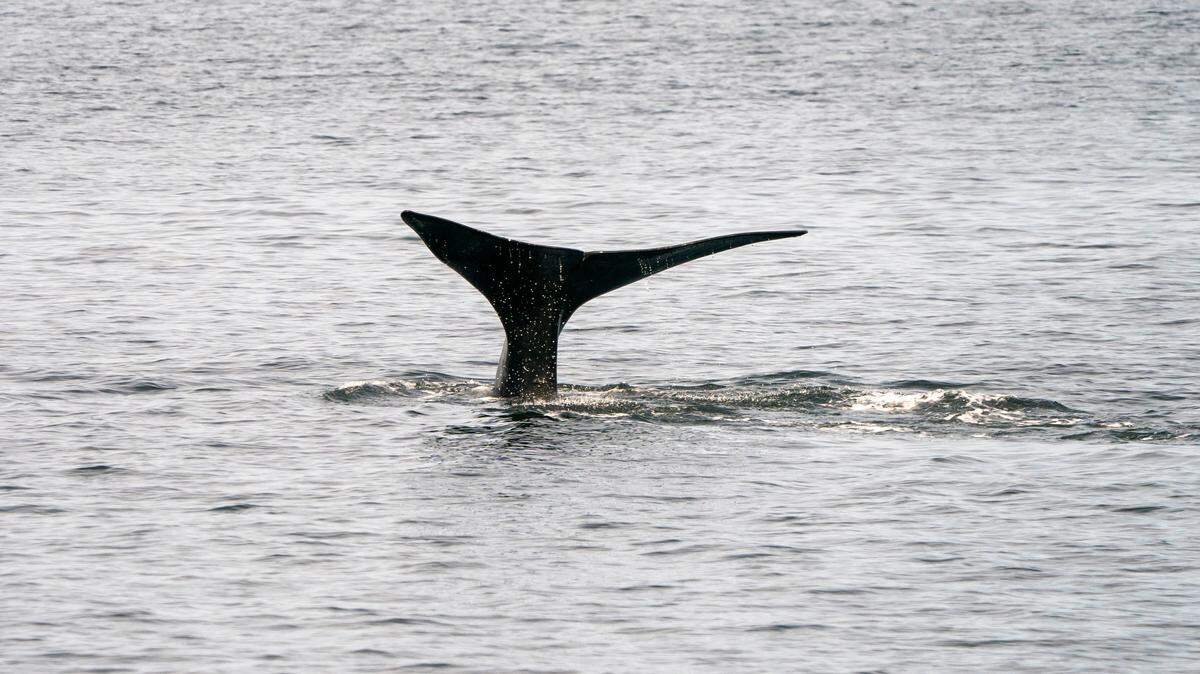
With approximately 380 North Atlantic right whales remaining, a team of marine biologists in Massachusetts has launched a fundraising effort they say is essential to keeping their research and conservation work alive.
The Marineland Right Whale Project created a GoFundMe campaign to raise money for ongoing research and protection efforts. Volunteer and drone pilot Zoë Rauscher launched the campaign to support researchers from Associated Scientists at Woods Hole who need public help to fund their 2027 season.
Why the Marineland Right Whale Project Needs Donations Now
On the GoFundMe campaign page, Rauscher was direct about what the project needs to keep going.
“In order for the researchers from Associated Scientists at Woods Hole to continue their impactful conservation efforts for the 2027 season, we must raise enough donations for the organization to be able to operate,” Rauscher said on the GoFundMe’s page.
The Marineland Right Whale Project is a program run by a nonprofit organization, which means it generates no revenue on its own. It depends entirely on research grants and charitable donations to operate. Rauscher said grants in particular have become harder to secure.
“However, given that the [Marineland Right Whale Project] is a program run by a non-profit organization, we depend entirely on research grants (becoming increasingly more difficult to obtain due to federal budget cuts for environmental areas of research) and charitable donations to operate,” she said.
How Researchers Track North Atlantic Right Whales
Monitoring North Atlantic right whales requires daily fieldwork because the animals cannot be tracked remotely.
“Unfortunately it is not possible to chip or digitally track right whales,” Rauscher said.
Without chips or digital tracking tools, the work depends entirely on people. A dedicated team of volunteers goes out every day to locate the whales.
“As such, a designated team of volunteers surveys the ocean daily in order to locate the whales,” she said.
According to the campaign, funds raised will go toward purchasing equipment including remote-controlled drones and marine binoculars. The money will also cover “research, reporting and administrative costs.” Those tools support the volunteer team’s daily survey work.
What Threatens North Atlantic Right Whales
NOAA Fisheries has listed the North Atlantic right whale as an endangered species since 1970. The primary threats include entanglement in fishing gear and vessel strikes.
Younger whales face particular danger, according to Rauscher.
“Calves are particularly vulnerable as they lack the experience and speed of adults to evade approaching vessels,” she said.
There are approximately 380 North Atlantic right whales remaining. According to NOAA Fisheries, the agency is “cautiously optimistic” that the population is increasing.
This article was created by content specialists using various tools, including AI.