Scientists Witness Extremely Rare Sperm Whale Birth in 1st Detailed Record Since 1986
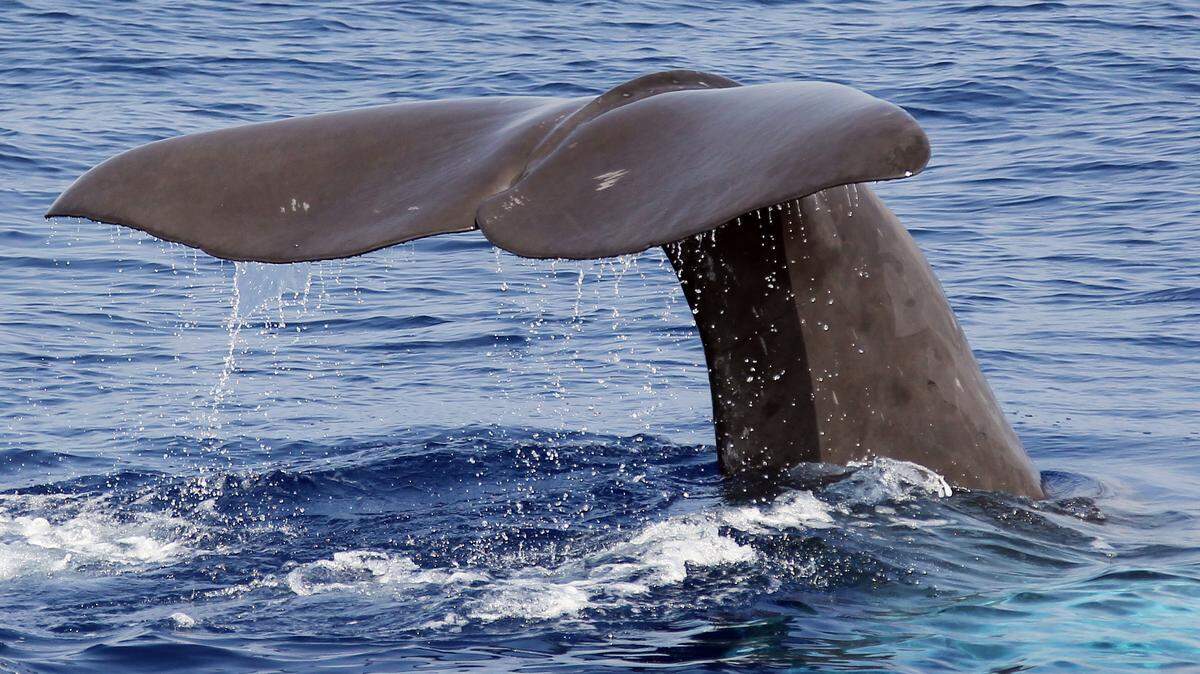
When researchers spotted blood in the water off the coast of Dominica on July 8, 2023, they feared the worst. What they witnessed instead was one of the most detailed wild sperm whale birth observations ever recorded — and the hours of cooperative care that followed.
Using drones, underwater microphones and shipboard photography, the research team captured the delivery itself and the complex social response as adult females and juveniles worked together to help the newborn survive.
“I initially thought that something bad was about to happen, until we saw the little head pop out and then the floppy flukes,” said biologist Shane Gero, per CNN. “And then we knew that it was actually a joyous occasion.”
A Sperm Whale Birth Is Rarely Ever Seen by Science
Wild cetacean births are exceptionally rare to observe. Fewer than 10 percent of species have been documented giving birth in the wild. The last scientific record of a sperm whale birth before this one dates back to 1986, and that account included only written observations following the delivery.
“Before that there are just a few scattered accounts from whaling vessels,” said David Gruber, CETI founder and president. “What makes this study even more unique is that we have such detailed knowledge of each individual whale and their family relationships.”
Other Whales Rallied Around the Newborn Baby After Birth
The birth process lasted approximately 30 to 34 minutes from emergence to full delivery. What unfolded in the hours afterward revealed the depth of sperm whale social cooperation.
Eleven whales were present, mostly adult females. All members helped support the mother and lift the newborn — a calf roughly 4 meters (13 feet) long — to the surface so it could breathe. Newborn sperm whales are negatively buoyant, making this post-birth support crucial to the calf’s survival.
Adult females named “Faith” and “Hope” took turns lifting the calf to the surface, while others swam nearby to guide and protect it. Juvenile whales also participated, gently nudging the calf and keeping it close to the mother. The team observed the mother resting on her side, flippers extended, as helpers supported the calf’s weight.
Some of the helpers were non-kin, demonstrating cooperative social behavior that extends beyond family bonds. The cooperative behavior observed among the whales may reflect ancient evolutionary traits in toothed whales. The observation provides evidence of complex social cooperation beyond what has been documented in primates.
“These families are usually spread across kilometers as they dive and forage,” Gero said. “To have the entire family close together but not really active is kind of unusual”
Whale Communication Shifted During Key Moments During the Birth
The whales produced coda vocalizations throughout the event, and their vocal patterns shifted during key moments — particularly during the birth itself and when other species approached.
At one point, short-finned pilot whales swam near the group, prompting shifts in the sperm whales’ vocalizations. The researchers said this suggests the whales were communicating actively to coordinate the birth and protect the newborn.
Underwater microphones recorded these codas, allowing the team to track changes in communication in real time. By synchronizing drone footage, audio recordings and shipboard observations, the researchers documented the complex social structure and communication behind the birth.
Together the whale birth observations and dataset represent “an apex of complexity of sperm whale communication,” Gruber said.
The Sperm Whale Birth Observation Was a Massive Scientific Collaboration
“The Project CETI team, which consists of over 50 scientists across eight different disciplines, worked together to publish these studies,” Gruber said.
Sperm whale gestation lasts approximately 14 to 16 months. The observation off Dominica provided researchers with an unprecedented window into the social and vocal behaviors of sperm whales during one of the most vulnerable moments in a calf’s life.
“In a cooperative society, if we’re going to succeed, we need to work together, rather than constantly finding reasons to define how we are different,” Gero said. “It’s a pretty great message to take away from an animal that is fundamentally different from us.”
This article was created by content specialists using various tools, including AI.