
The 5-Figure Price Tag on the Most Expensive Chocolate Bunny Will Likely Knock Your Socks Off
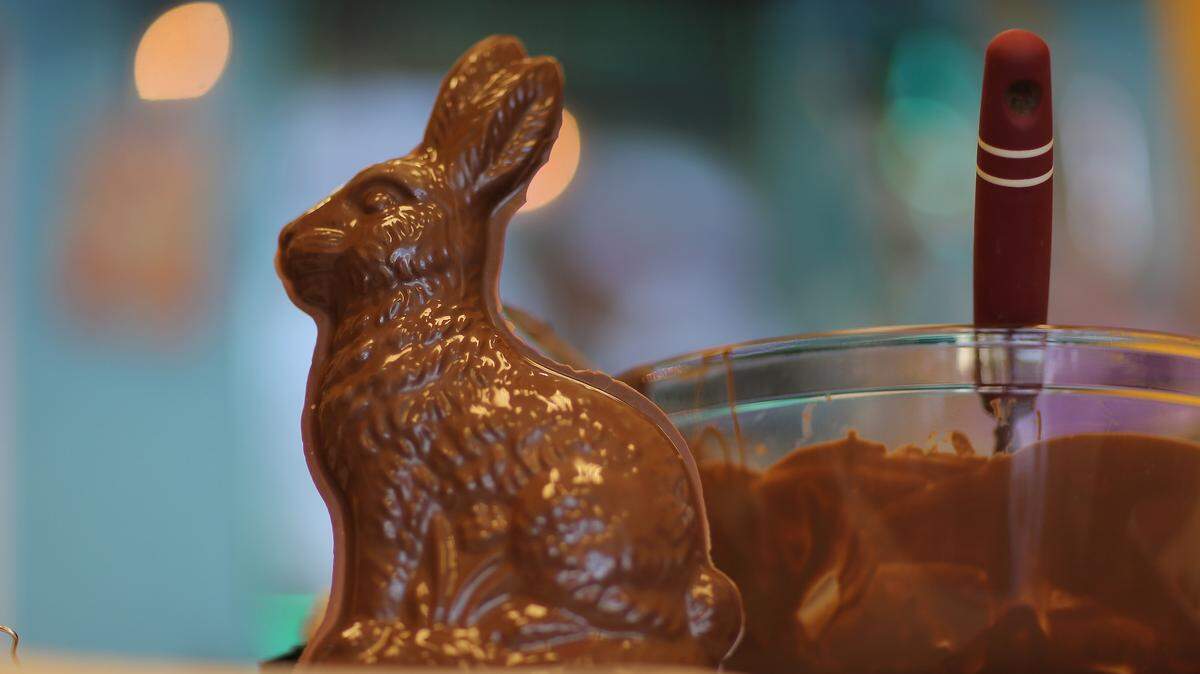
Behind the staggering number of chocolate bunnies sold each year is a centuries-old story rooted in German immigration, Pennsylvania folklore and a man’s towering milk chocolate creation that launched a national craze.
The chocolate bunny’s journey from Old World myth to American staple begins with a deep symbolic tradition. Per Stefanelli’s Candies, “Since ancient times, rabbits have been regarded as a symbol of fertility and new birth.” That association — the rabbit as a herald of spring and renewal — laid the foundation for one of America’s most recognized holiday treats.
Chocolate Bunnies Have Inspired Some Luxury Creations
The world’s most expensive chocolate bunny was commissioned by luxury brand VeryFirstTo in 2016 for $49,000 in collaboration with the company 77 Diamonds. Made of 75 percent Tanzanian cacao and sculpted by two-time European Pastry Cup Coupe du Monde de la Pâtisserie-winning pastry chef Martin Chiffers, it stood about a foot tall and weighed 11 pounds. VeryFirstTo founder Marcel Knobil purchased two diamonds worth over $35,400 to adorn the bunny’s eyes.
German Immigrants Introduced the Osterhare Legend in Pennsylvania
The pivotal chapter began in the 18th century. “The concept of an Easter bunny was first brought to America with the migration of the Germans,” Stefanelli’s Candies notes. “When the group settled down in Pennsylvania, they introduced the legend of the Osterhare, a mythical rabbit known for its egg-laying.”
The Osterhare carried with it a set of rituals that took root in Pennsylvania’s German-speaking communities. “Each year, the children of these immigrants would craft special nests for the Osterhare to lay eggs in and leave him carrots for his troubles,” according to Stefanelli’s Candies.
Chocolate Bunnies Went From Regional Custom to National Easter Tradition
What began as a regional Pennsylvania custom gradually rippled outward. “With time, the tradition spread to the rest of the country,” Stefanelli’s Candies explains. “As the Osterhare myth evolved, so did the finer details of what the bunny would leave behind. This led to the Easter tradition we know of today — magical mornings of candy galore! And what better way to honor the bunny who delivers these treats than to create chocolate in his hoppy image?”
The leap from legend to confection appears to have happened where the Osterhare story was born. “The chocolate bunny itself is believed to have originally been created by someone of German heritage, as this is where the Easter legend was born,” Stefanelli’s Candies states. “Chocolate molds originating from the 19th century have been discovered in Munich, the largest city in Bavaria.”
Those Munich molds represent some of the earliest tangible evidence of chocolate being shaped into rabbit form — physical artifacts linking Old World craftsmanship to a tradition that would eventually sweep across the Atlantic.
A 5-Foot Chocolate Bunny Launched a Commercial Craze
The figure who transformed the chocolate bunny into a commercial phenomenon was Robert L. Strohecker, a drug store owner from Pennsylvania. Per Stefanelli’s Candies, “it was Robert L. Strohecker, a drug store owner from Pennsylvania, who really started the chocolate bunny craze in the late 19th century. To promote his shop, he put together a 5-foot-tall bunny made of milk chocolate. Since then, the chocolate Easter bunny has gone on to become an essential springtime delight all around the world!”
This article was created by content specialists using various tools, including AI.