40 Animal Species Gain New UN Protections After Global Summit
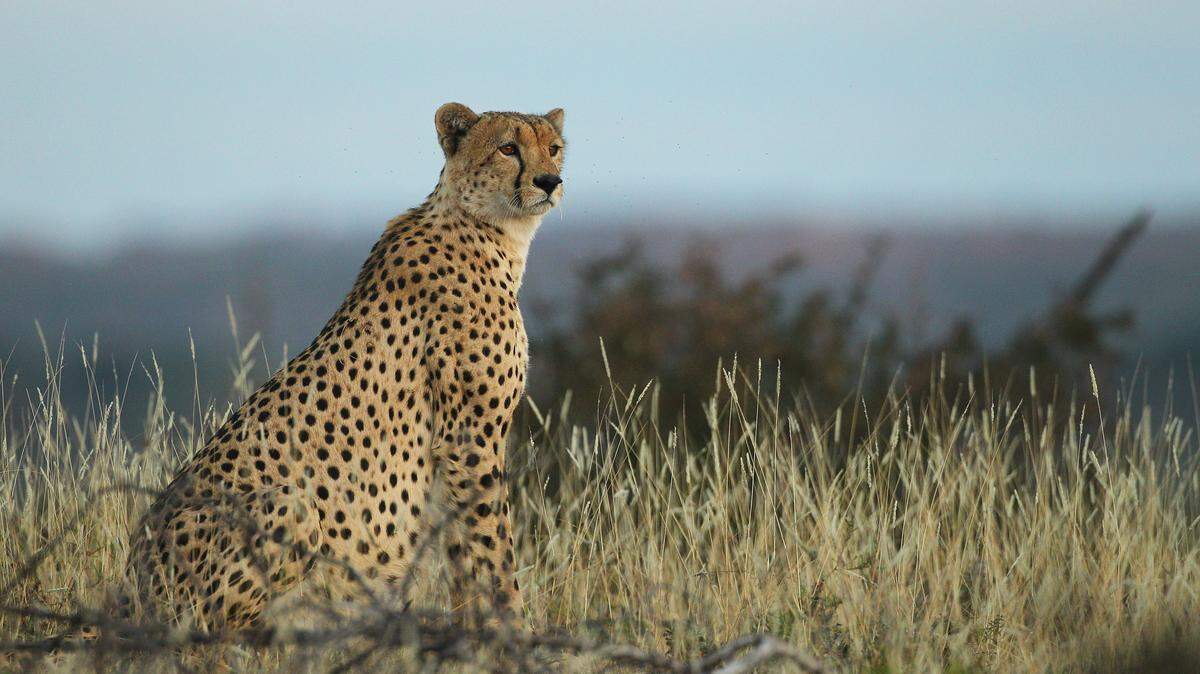
More than 40 animal species — including the snowy owl, cheetah and great hammerhead shark — have been designated for international protection following a United Nations summit on migratory species.
The decision was made March 29 at the COP15 summit held in Campo Verde, Brazil, where representatives from 132 countries and the European Union met under the Convention on Migratory Species, commonly known as the CMS.
Under the convention, countries that are party to the CMS are legally required to protect listed species, conserve and restore their habitats, reduce barriers to migration and cooperate with other nations.
New Protections Span Continents and Ecosystems
The newly protected species include the snowy owl, Hudsonian godwit, great hammerhead shark, striped hyena, cheetah and giant otter.
All are now classified as either “species in danger of extinction” or “species in need of coordinated international action.”
The initiative aims “to strengthen global or regional conservation efforts of such iconic species as the cheetah, striped hyena, snowy owl, giant otter, great hammerhead shark, and several shorebird species.”
“From cheetahs and striped hyenas to snowy owls, giant otters and great hammerhead sharks, CMS Parties have backed stronger international action as new evidence shows many migratory species are moving closer to extinction,” the CMS said in a social media statement.
Nearly Half of Protected Species Are In Decline
The new protections follow troubling data about the state of the world’s migratory wildlife. According to a CMS report released ahead of the summit, 49 percent of species listed under the convention are in decline, and nearly one in four are threatened with extinction globally.
CMS Executive Secretary Amy Fraenkel acknowledged both the progress made at the summit and the scale of the challenge that remains.
“We came to Campo Grande knowing that the populations of half the species protected under this treaty are in decline,” Fraenkel said in a release. “We leave with stronger protections and more ambitious plans, but the species themselves are not waiting for our next meeting.”
Fraenkel’s remarks underscored a key reality: while the summit delivered stronger protections and more ambitious plans, the species covered by the convention continue to face declining populations.
Freshwater Fish Populations Also at Risk
The summit’s scope extended beyond the 40-plus land and marine species that received new or upgraded protections. A separate United Nations assessment published as the summit opened warned that migratory freshwater fish populations are rapidly declining and at risk of collapse due to habitat destruction, overfishing and water pollution.
The freshwater fish assessment added yet another dimension to the conservation challenges confronting the 132 countries and the European Union that participated in the summit.
What the Protections Require
The CMS listings carry legal weight. Countries that are party to the convention must protect the newly designated species, work to conserve and restore the habitats those species depend on, reduce barriers to their migration routes and cooperate across borders with other member nations.
The summit brought together representatives from 132 countries and the European Union, reflecting the international scope required to address threats facing animals that migrate across national boundaries.
With 49 percent of CMS-listed species in decline and new evidence showing many migratory species are moving closer to extinction, the protections adopted at the Brazil summit mark a significant expansion of international conservation commitments — though as Fraenkel noted, the species themselves are not waiting for the next meeting.
This article was created by content specialists using various tools, including AI.