Missing Capybara Outsmarts Drones and Search Dogs in English Countryside After Escaping Zoo
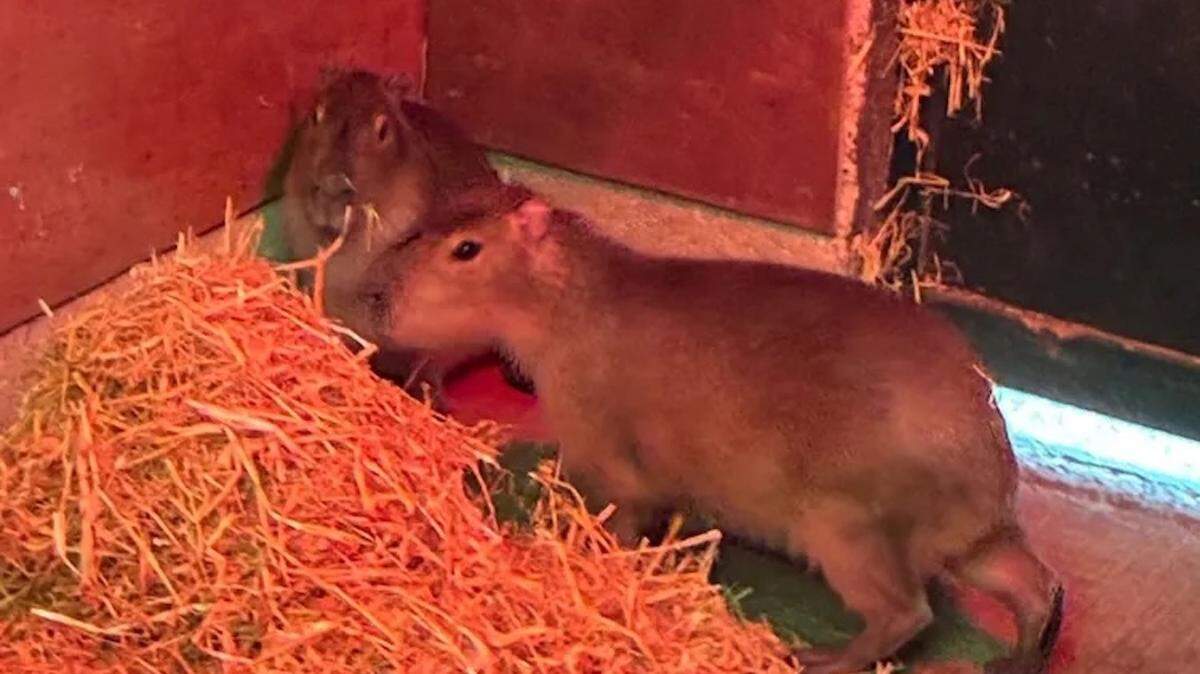
A 9-month-old capybara named Samba has been on the run from Marwell Zoo in southern England for two weeks, evading thermal imaging drones, search dogs, a paddleboard and a fishing net.
Samba arrived at Marwell along with her sister, Tango, from Jimmy’s Farm & Wildlife Park in Ipswich on a Monday in mid-March. The pair were placed in a temporary holding area for standard new animal checks. By Tuesday, both had escaped. Tango hid in bushes within the zoo and was quickly returned. Samba kept going.
A member of the public in Owslebury in the county of Hampshire, just over a mile from the zoo, reported seeing Samba near The Ship Inn pub on the side of the road, and the zoo shifted its search to that area.
The tech being thrown at this search is no joke. Dr. Mark Pickering from the University of Southampton’s engineering department has been flying thermal imaging drones to aid in the hunt. “The technology is similar to what’s commonly used in search and rescue by emergency services, but this capybara is quite a small animal, in a large habitat,” he told The Guardian. Search dogs have also been tracking scent trails. None of it has worked.
The urgency isn’t about danger. Capybaras have no natural predators in the U.K., and the zoo described them as gentle animals that pose no risk to people, pets or wildlife. The real concern is the bond between two separated sister pups.
“Capybaras are social animals and our focus is on retrieving Samba safely and reuniting her with her sister Tango back at Marwell Zoo,” said Laura Read, Marwell Zoo’s chief executive.
The zoo asked locals to check gardens, ponds, rivers and water environments where Samba might be hiding. They noted she is more likely to travel at night and urged drivers to be careful after sunset.
The most vivid sighting came from Claudie Paddick, a local dog walker who filmed Samba sunbathing on the riverbank in Twyford before taking a dip in the River Itchen last Sunday. In the video, Paddick’s black Labrador, Growler, barks in curiosity. Samba immediately dives into the water and does not resurface.
“It was bonkers,” Paddick said. “I didn’t even know what a capybara was.”
Her neighbors Lindsay and Luke recognized the animal from news reports. “Luke came running down with one of his fishing nets to try and catch it,” Paddick said.
Volunteers rushed to the area. Read herself spotted Samba in the water. A zoo member borrowed Paddick’s paddleboard and used a net to try flushing the capybara out. Samba stayed hidden.
“We will always follow up on any public sighting. We still have that public number available. She won’t evade everybody forever,” Read said. “We’re not giving up. When this happened 30 years ago, it took two months to locate and get them back.”
Read pointed to one factor that could help: timing. “We’re about to head into the fishing season, so along that stretch of the Itchen there’s a lot of fishing activity from April onwards, so there will be more eyes on the ground,” she said.
The zoo issued one firm request: don’t approach Samba or disturb her surroundings. “It’s very important that only her keepers and the team from Marwell approach her,” the zoo wrote, adding that people from outside the area should not travel in to search.
Anyone who spots Samba can contact the zoo’s 24/7 hotline at 07436 167401. The zoo asks callers to send a photo with the location using Google Maps or What3Words.
This article was created by content specialists using various tools, including AI.