The Platypus Is Even Weirder Than We Thought, According to an 'Unexpected' New Study
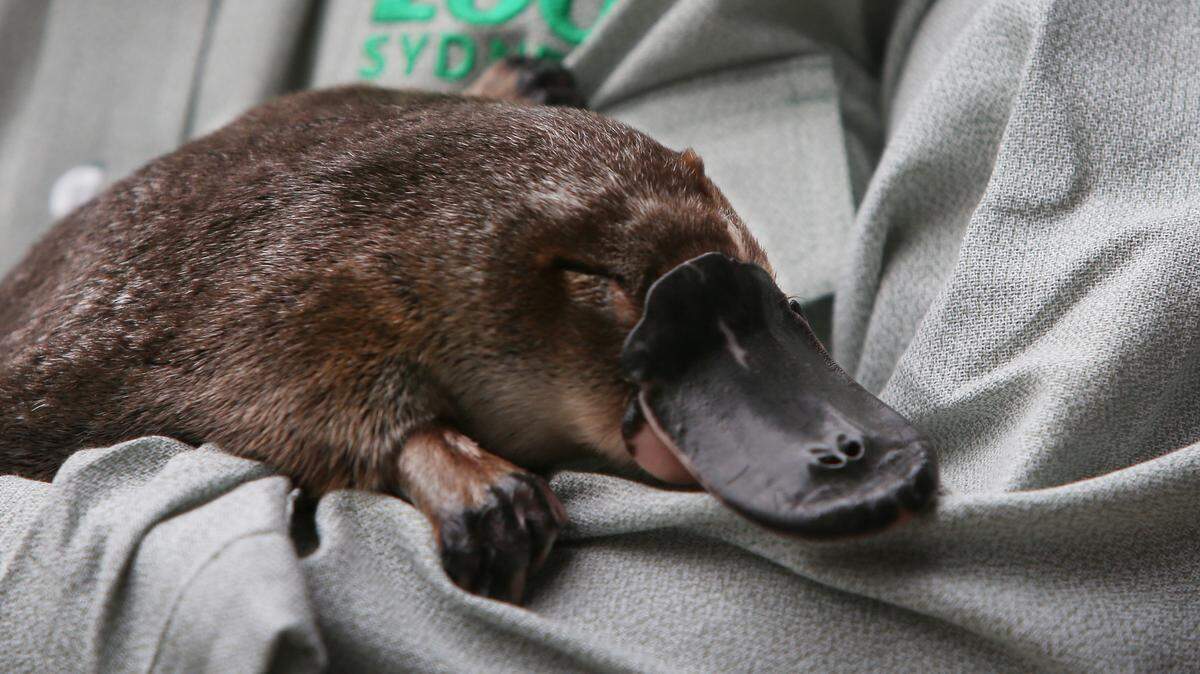
The platypus has long been one of nature’s most bewildering creatures.
It lays eggs. It has a duck-like bill and a beaver-like body. Males carry venomous spurs on their hind legs, and the animal can sense electrical signals underwater to hunt prey.
It even glows under ultraviolet light — and scientists still don’t know why.
Now, nearly 230 years after the platypus was first discovered, researchers have uncovered yet another characteristic that sets this animal apart from every other mammal on Earth — and it has to do with the tiny structures inside its fur that produce color.
A Discovery That Surprised Even the Experts
A study published in the journal Biology Letters on March 18, 2026, found that platypus melanosomes — the microscopic, pigment-producing cell structures responsible for giving hair, skin, and feathers their color — behave more like those found in birds than in mammals.
Melanosomes are tiny structures, roughly 1/1000th of a millimeter long. They can be spherical or rod-shaped, and either solid or hollow.
For more than 50 years, scientists believed that hollow melanosomes existed only in birds. Mammal melanosomes, by contrast, were always understood to be solid.
That long-held assumption has now been upended.
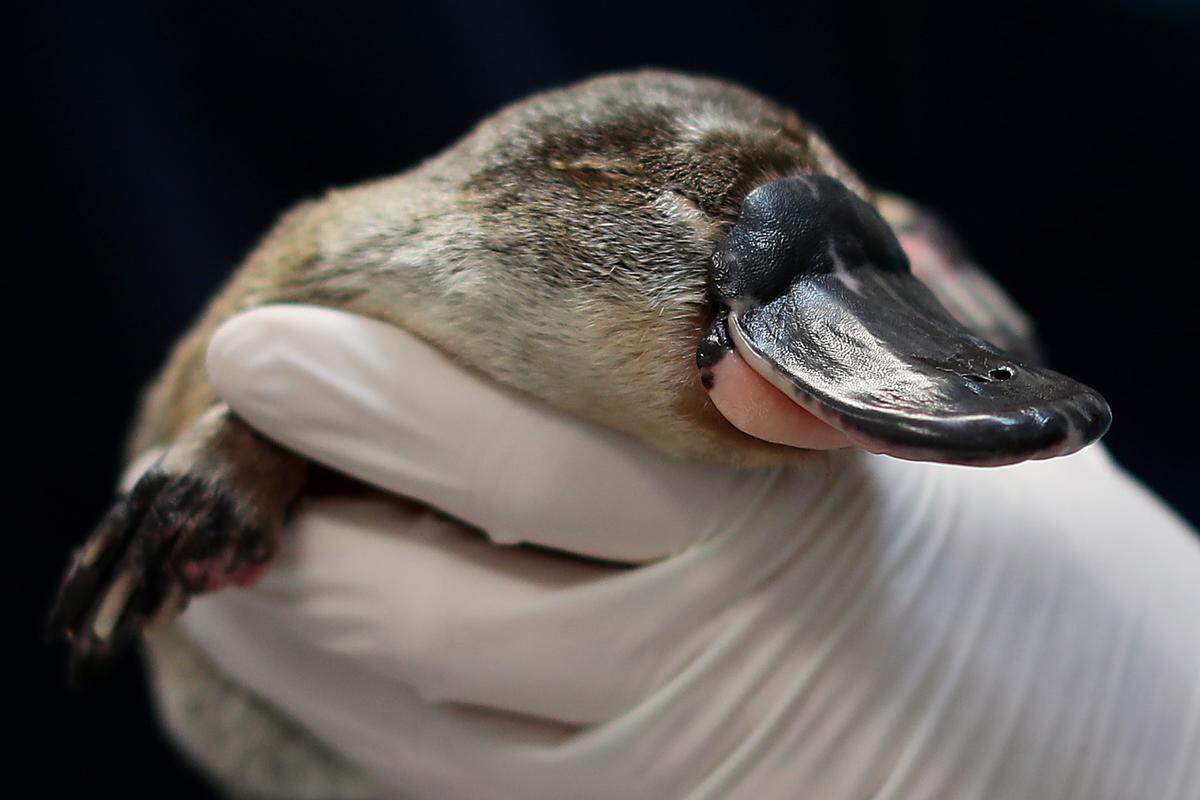
Researcher Jessica Leigh Dobson of Ghent University used high-resolution microscopy to examine platypus hair melanosomes and made a startling find: the melanosomes are both hollow and spherical.
That combination has never before been documented in any mammal — or, for that matter, in any known species.
“This was totally unexpected,” Dobson said, per Discover Wildlife. “Hollow melanosomes have never been found in mammals before, and the combination of hollow and spherical is not seen anywhere else as far as we know.”
A Bird-Like Trait in a Mammal’s Fur
In birds, hollow melanosomes play a specific and well-understood role. They form nanostructures that create the bright, iridescent colors seen in species like peacocks and hummingbirds.
These internal air pockets interact with light in ways that produce shimmering, vivid plumage.
But here’s where the platypus deepens the mystery: platypuses are simply brown. Their fur doesn’t shimmer. It doesn’t flash iridescent colors. So why would the animal possess the same type of melanosomes that give birds their dazzling displays?
“This doesn’t really conform with what we currently know about how melanosome shape correlates with color,” Dobson added.
The finding raises more questions than it answers, which is fitting for an animal that has puzzled scientists since the day it was discovered.
After all, the platypus was so strange in appearance that early scientists thought it was a hoax or a prank when they first encountered it.
Not Even the Platypus’ Closest Relatives Share It
One of the study’s most telling details is that hollow melanosomes were not found in echidnas, the platypus’s closest living relatives.
Echidnas are also egg-laying mammals, but their melanosomes appear to follow the solid pattern seen across roughly 120 other mammal species examined in the research.
That distinction between the two animals has led scientists to develop a working theory, though it remains far from proven. The common ancestor of platypuses and echidnas is believed to have been aquatic.
Scientists theorize that hollow melanosomes may have offered some form of insulation suited to life in the water.
Over time, echidnas transitioned to a land-dwelling lifestyle and may have lost the hollow melanosomes. Platypuses, which stayed aquatic, may have retained them.
However, this remains a hypothesis rather than a confirmed explanation.
An Animal That Keeps Defying Expectations
The platypus already held an extraordinary list of biological oddities.
Females produce milk but have no nipples. The species has five times more sex chromosomes than most other mammals. And it uses electroreception — the ability to sense electricity — to navigate and hunt in murky water.
This latest study adds another layer to an animal that continues to challenge what scientists think they know about mammals.
Each new discovery seems to underscore just how singular the platypus is in the animal kingdom — a creature that doesn’t just bend the rules of biology but appears to exist in a category all its own.
For now, the question of why a brown, fur-covered mammal carries hollow melanosomes typically associated with the brightest colors in the bird world remains unanswered — one more piece in the endlessly fascinating puzzle of the platypus.
This article was created by content specialists using various tools, including AI.