The Green Iguana Hunt: Why the U.S. Government Is Asking People to Eat Swamp Rats and Green Iguanas
What if the next great meal on your plate came not from a farm or a grocery store, but from a swamp?
It might sound outlandish, but the U.S. Fish and Wildlife Service (FWS) is making a serious case for Americans to start hunting, cooking and eating invasive species — from oversized rodents to green iguanas — as a way to protect the country’s native wildlife and ecosystems.
The FWS openly encourages this practice, and isn’t being coy about the pitch.
“Eating invasive species can help protect native animals and plants. By hunting, trapping, and eating these invaders, we can reduce their numbers and the harm they cause,” the FWS wrote in a 2025 article.
The practice even has a name: invasivorism.
The Billion-Dollar Problem on America’s Doorstep
The push to put invasive species on dinner tables isn’t just about ecology. It’s also about money — a lot of it.
According to the U.S. Department of Agriculture, “invasive species have cost North America $2 billion per year in the early 1960s to over $26 billion per year since 2010.”
On a global scale, the economic toll is staggering: It is estimated that the economic cost of invasive species has been $1.288 trillion over the past 50 years.
Those costs come from damaged farmland, degraded wetlands, destroyed infrastructure and the enormous resources required to manage species that don’t belong. One way residents can help solve the problem? By eating the invasive species causing harm.
What’s on the Invasive Species Menu?
The FWS has assembled a surprising list of invasive animals it suggests Americans consider hunting and cooking. Here’s what they recommend.
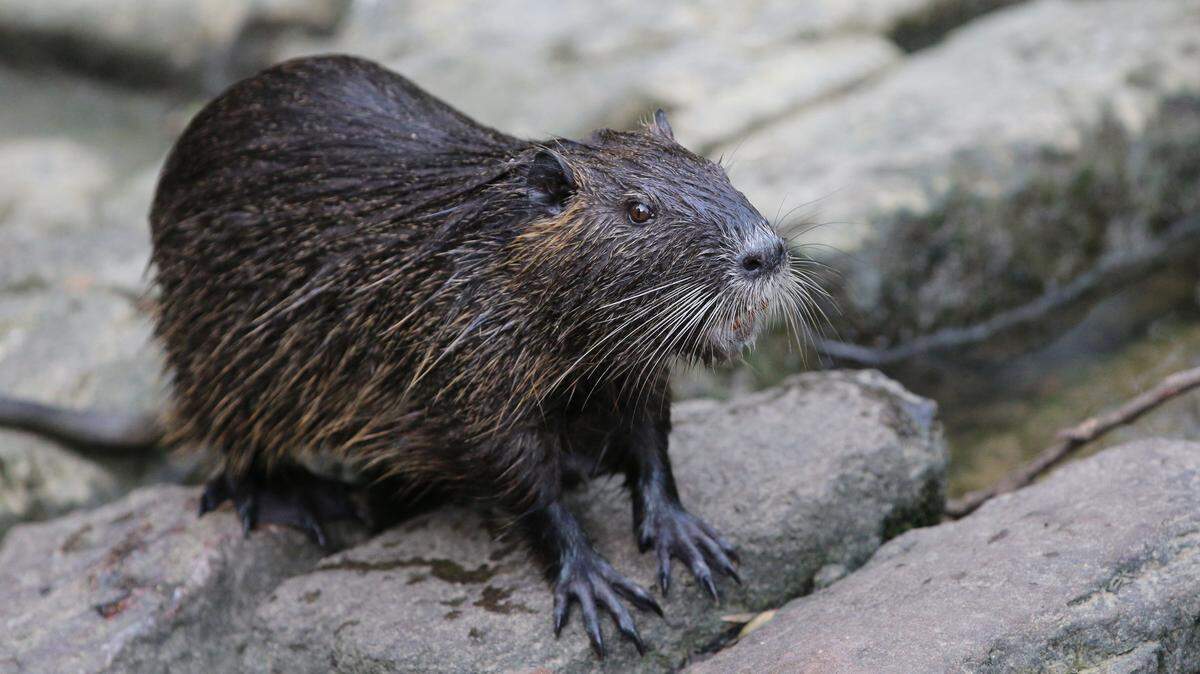
Nutria: The ‘Swamp Rat’
First on the agency’s list is the nutria, also known as swamp rats.
The FWS describes nutria as “oversized, wetland-loving rodents” native to South America that are devouring marshlands in the Gulf of America Coast, Atlantic Coast and Pacific Northwest.
Their suggestion for preparing one? Cook yourself up a bowl of nutria gumbo. “Their meat is lean, mild, and tastes like rabbit,” the FWS adds.
Northern Snakehead: The Fish That Travels
The FWS also suggests grilling or frying northern snakehead, an invasive, predatory freshwater fish native to Asia, adding that they make excellent fish tacos.
“Luckily, they’re delicious with a firm, white, and flaky meat,” the FWS wrote in 2025.
What makes this particular fish so difficult to contain is its remarkable ability to survive outside of water. Their ability to spend several days out of water allows them to wiggle their way across land into new freshwater habitats.
They’re frequently seen in Mid-Atlantic and Southeastern U.S. waterways.
Silver Carp: The High-Flying Jumper
Can’t find northern snakehead meat? Then try the high-jumping silver carp, frequently seen in Midwest and Southeast rivers and lakes.
The FWS suggests trying them grilled, blackened or turning them into crispy fish cakes because they’re “surprisingly tasty.”
Green Iguana: ‘Chicken of the Trees’
Next up on the menu? Iguana stew.
The FWS describes the green iguana as the “chicken of the trees” due to its mild flavor.
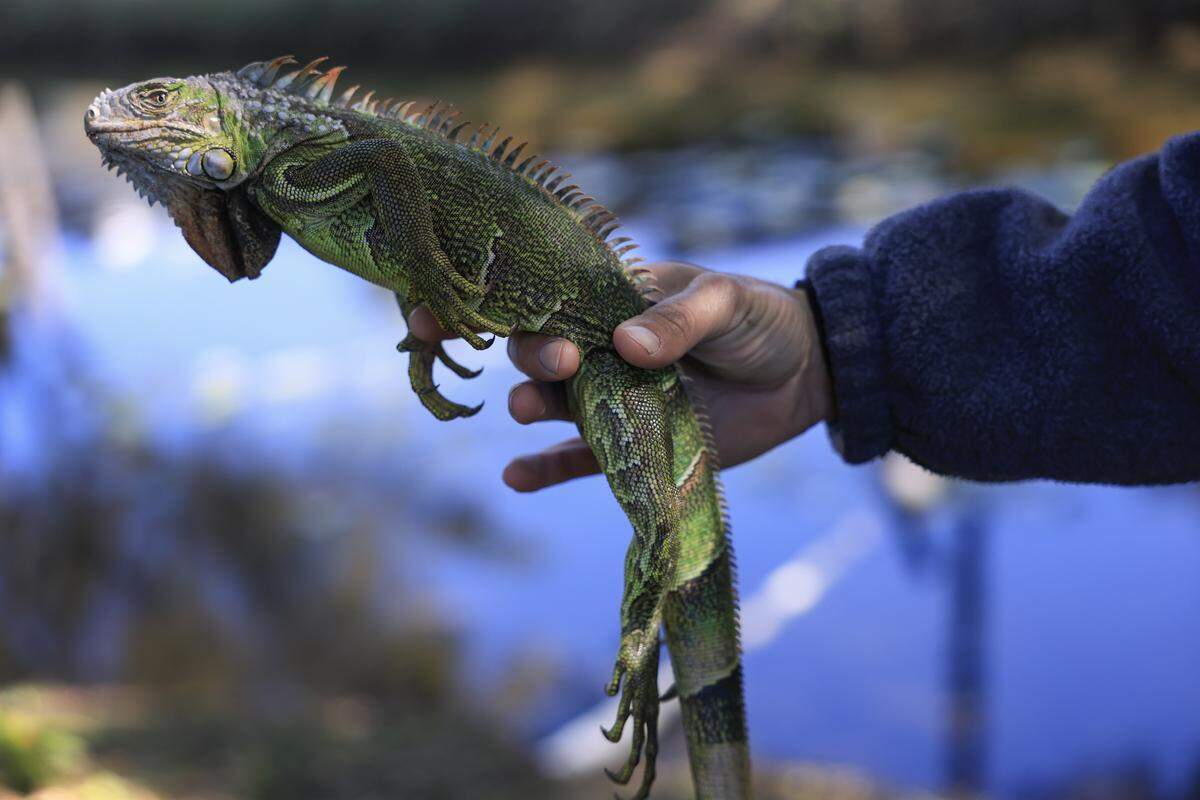
Green iguanas are native to Central and South America, but are currently eating native plants and destabilizing seawalls in Florida and other warm states.
Feral Hogs and Wild Boar: The Best for Last
And last but not least, you can cook yourself up a plate of feral hogs or wild boar.
Native to Europe and Asia, these hogs and boar are invasive in the Southeastern U.S., Texas and California. They tear up farmland, forests and wetlands and devour anything in their path.
“But there’s a silver lining because wild boar is some of the best-tasting invasive meat you can get,” the FWS writes, adding that the meat is “leaner and richer in flavor than store-bough pork.”
The agency says the meat makes a good smoked barbecue, hearty chili, burger, taco or ragu over pasta — offering home cooks plenty of versatile options.
A Growing Movement With Deep Roots
While the federal government’s pitch may feel novel, eating invasive species is nothing new.
The term “invasivorism” was first coined in 2010 by New York Times journalist James Gorman.
Since then, many organizations have started to hold hunting tournaments and derbies to help deplete populations of invasive species. Some even partner with local diners to add the species to their menus, bringing the concept directly to communities where these animals are causing the most damage.
According to Eat the Invaders, a website created by University of Vermont conservation biologist Joe Roman, there are plenty more invasive species worth eating.
Some of the species listed on the website include lionfish, garden snail, armored catfish, crayfish and common carp — expanding the options well beyond what the FWS highlighted.
Whether you’re a seasoned hunter, an adventurous home cook or simply someone curious about where your food comes from, the federal government’s unusual dining suggestions offer a practical way for individuals to make a tangible difference in the fight against invasive species — one meal at a time.
This article was created by content specialists using various tools, including AI.
This story was originally published March 18, 2026 at 2:23 PM.