Scientists Found a Single Bone in Taiwan. It Belonged to a 13-Foot Python That Shouldn’t Have Been There.
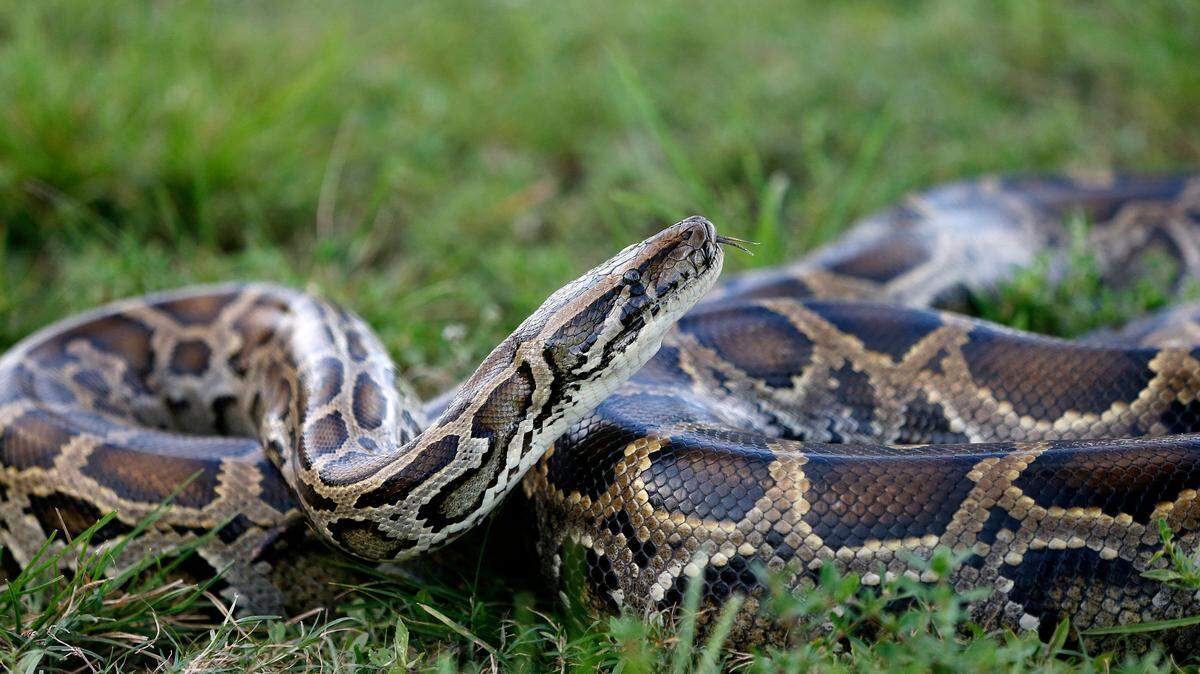
A single vertebra pulled from ancient sediments in southwest Taiwan has upended what scientists thought they knew about the island’s prehistoric ecosystem. The bone belongs to a giant python that stretched more than 13 feet long — a species with no living counterpart anywhere on Taiwan today.
The find, published in Historical Biology in January 2026, adds Taiwan to a very short global list of places where late Pleistocene python fossils have turned up. That list currently includes only India and Eritrea.
What One Bone Revealed
Cheng-Hsiu Tsai of National Taiwan University and colleagues analyzed the vertebra, which was recovered from the Chiting Formation, a geological deposit near Tainan formed roughly 800,000 to 400,000 years ago. The team identified the bone as belonging to a python based on its structural features and ruled out other large snake species by comparing the vertebra’s shape to known python fossils. From that single bone, they modeled the snake’s full body length at approximately 13 feet.
“This fossil represents the largest and most unexpected fossil snake from Taiwan,” wrote Tsai.
The word “unexpected” carries weight here. No python species exist on Taiwan today. The island’s modern snake population includes more than 50 species, but none come close to the size of this prehistoric animal. The discovery forced researchers to reconsider what Taiwan’s landscape looked like hundreds of thousands of years ago, and what kinds of animals it could support.
Giant Predators That Once Roamed the Island
The python wasn’t alone. The same region around Tainan has yielded fossils of other large animals that paint a picture of a dramatically different Taiwan.
Researchers have identified remains of a 23-foot crocodile, classified as Toyotamaphimeia taiwanicus. Evidence of a saber-toothed cat, likely belonging to the genus Homotherium, has also been found. Mammoth remains round out the regional fossil record. None of these animals exist on Taiwan now. Crocodiles are entirely absent from the island.
Tsai and his team believe this absence tells us something specific about the modern ecosystem. “We propose that the niche of top predators in the modern ecosystem may have been vacant since the Pleistocene extinction,” wrote Tsai. The animals that once sat at the top of Taiwan’s food chain disappeared, and nothing has filled their ecological role since.
How Giant Animals Reached an Island
The Pleistocene epoch brought dramatic climate shifts, and one of the most consequential effects was fluctuating sea levels. During periods of lower sea levels, the distance between Taiwan and mainland Asia shrank. That narrower gap allowed large animals to migrate to the island.
The python, the crocodile, the saber-toothed cat: all of them likely reached Taiwan during one of these windows of reduced separation from the continent. When sea levels rose again, those populations became isolated.
This migration pattern helps explain why the fossil record in formations like the Chiting deposit is so rich with large species that seem out of place in Taiwan’s current landscape.
Before the vertebra ended up in a university lab, it had a different custodian. A local collector named Li-Ren Hou held the fossil until donating it to National Taiwan University, where Tsai and his colleagues formally analyzed and preserved it.
Why This Find Matters Beyond Taiwan
Pleistocene python fossils are genuinely scarce. The researchers note that comparable finds have been reported in only a few regions worldwide — specifically India and Eritrea. Adding Taiwan to that map expands what scientists know about how far pythons ranged during this period and what kinds of environments they inhabited.
One bone, properly analyzed, rewrote the ecological history of an entire island. And the formation where it was found may hold answers to questions researchers are only now learning to ask.
The full study in Historical Biology lays out the team’s methodology and comparisons with python fossils from other regions.
This article was created by content specialists using various tools, including AI.