Red Fox Survives 14-Day Atlantic Crossing as Stowaway on Cargo Ship from England to New York
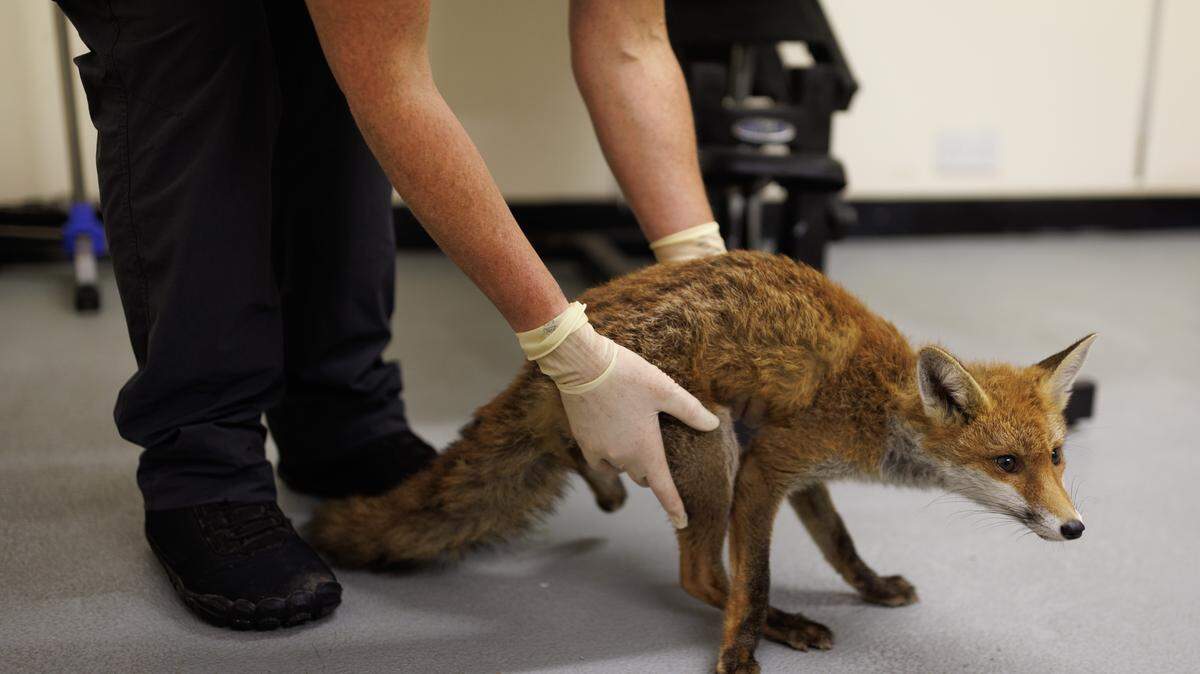
A red fox survived a 14-day voyage across the Atlantic Ocean after stowing away on a cargo ship traveling from England to the United States. The animal, discovered among a shipment of automobiles, is now being cared for at the Bronx Zoo.
Aboard a Car Carrier for Two Weeks
The fox boarded a ship carrying automobiles that departed Southampton on Feb. 4 and arrived Feb. 18 at the Port of New York and New Jersey. The Bronx Zoo took in the animal the following day.
How the fox ended up on the vessel remains unknown. Officials do not know how it got onto the ship or at what point during the journey it was discovered. The vessel had been transporting automobiles from England, and somewhere along the way — whether in a cargo hold, between vehicles, or in some other hidden corner — the fox became an unregistered passenger.
The animal managed to survive what would have been a grueling crossing. The North Atlantic in February is no gentle passage, and conditions aboard a working cargo ship are far from hospitable for wildlife.
Customs Officers Capture an Unexpected Arrival
Upon the ship’s arrival at the Port of New York and New Jersey, officers with U.S. Customs and Border Protection captured the animal and transferred it to the Bronx Zoo the next day.
A spokesperson for Customs and Border Protection told the New York Post, “CBP routinely works with our federal and state wildlife protection partners to protect regulated wildlife and is pleased to place this ‘stowaway’ in the Bronx Zoo’s care.”
The statement points to an established protocol for dealing with wildlife that arrives at U.S. ports of entry and the coordination between federal authorities and institutions like the Bronx Zoo that can provide specialized animal care.
Settling In at the Bronx Zoo
The fox is an approximately 11-pound male estimated to be about 2 years old. Early veterinary examinations found the animal appears healthy — a remarkable outcome given the circumstances of its trip.
Keith Lovett, the zoo’s director of animal programs, told the Associated Press, “He seems to be settling in well.”
Lovett added, “It’s gone through a lot.”
The fox is currently being monitored and treated at the zoo’s Animal Health Center. Preliminary evaluations indicate it is in good condition.
Diet and Daily Care
While under veterinary care, the fox is being fed a diet that includes produce, proteins and biscuit-like items suitable for an omnivorous species. That varied menu reflects the dietary needs of red foxes, which in the wild are opportunistic eaters.
Zoo officials said the fox has not yet been named. A long-term placement will be determined once veterinary screenings are complete. The zoo has said it will work to identify an “appropriate long-term home for the animal.” Whether that means a permanent spot at the Bronx Zoo or placement at another facility remains to be seen.
Red foxes, scientifically known as Vulpes vulpes, are found across Europe, Asia, North America and parts of Africa. They are among the most widespread and adaptable wild carnivores on the planet, thriving in environments ranging from rural countryside to dense urban centers.
This particular fox’s new surroundings may not be as foreign as one might assume. Wild populations of red foxes live in parts of New York City, including the Bronx and Staten Island. So while this fox arrived from across the ocean, it landed in a borough where its species already has a foothold.
What Comes Next
The fox remains in the care of Bronx Zoo veterinary staff as screenings continue. The coming weeks will determine whether the animal can be given a permanent placement and where that might be.
For this stowaway, the journey from Southampton to the Bronx was just the beginning. The next chapter of its life is still being written.
Production of this article included the use of AI. It was reviewed and edited by a team of content specialists.