
Kitchen Appliances Your Family Doesn’t Need (and What to Skip) to Save Money and Space
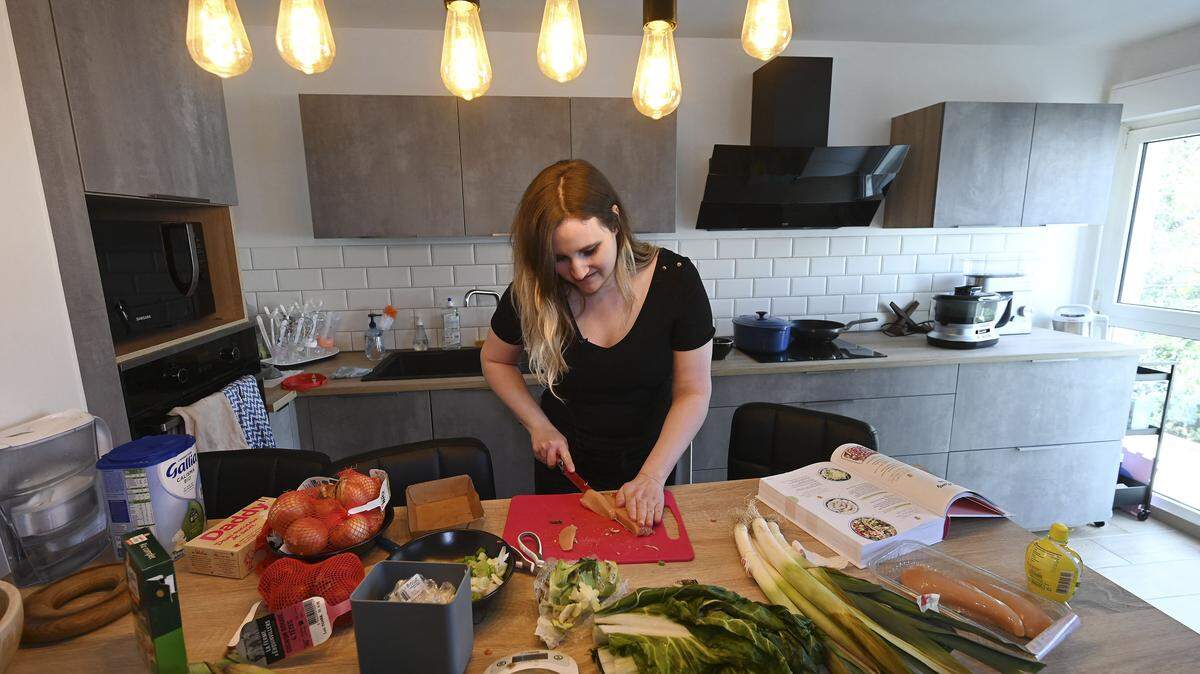
If you have ever stood in the kitchen aisle of a big-box store, staring at a wall of gadgets while mentally calculating how many school lunches that money could buy, you are not alone. The kitchen industry is built on the promise that one more appliance will transform your cooking life. But when you are juggling homework supervision, staggered dinnertime schedules, and a grocery budget that seems to shrink every month, the last thing you need is another gadget collecting dust next to the toaster.
Here is the good news: building a genuinely functional kitchen does not require a registry’s worth of specialty tools. The essentials are fewer than you might think, they are often more affordable than the flashy alternatives, and every single one of them should pull double or triple duty on a busy weeknight. Below is a clear-eyed breakdown of what deserves your counter space and your hard-earned money — and what absolutely does not.
The One Pan That Does It All: A Large Nonstick Skillet
If there is a single piece of cookware that justifies the phrase “kitchen workhorse,” it is a quality nonstick skillet. For a parent cooking dinner most nights of the week, versatility is everything. You need one pan that can handle Tuesday’s stir-fry, Wednesday’s scrambled-egg dinner, and Thursday’s last-minute steak without skipping a beat.
Ben Mims from the LA Times puts it plainly: “Even though I have lots of stainless steel skillets, I never use them — I always grab a high-quality nonstick pan, whether I am searing steaks, stir-frying vegetables or gently scrambling eggs.”
Remember, you do not need the most expensive skillet in the store. You need one that fits your grip, fits your burner, and fits the volume of food you are actually making night after night. A 12-inch skillet is a smart starting point for families because it gives you enough surface area to cook for multiple people without overcrowding, which is key to getting a good sear on proteins or evenly cooking vegetables.
The oven-safe detail matters, too. That means you can start chicken thighs on the stovetop, then slide the whole pan into the oven to finish — one pan, one meal, one thing to wash. On a weeknight, that kind of efficiency is worth its weight in gold.
Don’t Stop at One Pan: A Variety of Sizes Matters
A great nonstick skillet will anchor your cooking, but it cannot do everything by itself — especially when you are trying to get an entire meal on the table at once. You also need a variety of different size pans to cook your food. Think: a small saucepan for heating up soups and bigger pans for sautéing food, cooking burgers, and more.
Having the right size pan for each task means everything comes together at the same time, rather than cooking in serial and serving a lukewarm dinner. You do not need a massive collection — just a thoughtful range of sizes that covers your everyday cooking scenarios.
The Meat Thermometer: A Small Spend for Serious Peace of Mind
Every parent who has cut into a piece of chicken at the dinner table and wondered, ‘Is that actually done?’ knows the anxiety of guessing at food safety. A meat thermometer eliminates that entirely, and it costs a fraction of what most kitchen gadgets run.
Mims says, “An instant-read thermometer may seem unnecessary or like a luxury piece of equipment, but having one will actually make your cooking life much less stressful. Much as a scale makes measuring ingredients in baking more efficient and precise, so does an instant-read thermometer, taking away any ambiguity about whether your steak or chicken breast is cooked through.”
For a tool that typically costs well under $20, it is one of the smartest investments in a family kitchen.
Plastic Cutting Boards and the Bacteria Question
This one is about food safety, and it is worth paying attention to, particularly if you are handling raw meat regularly while cooking for kids.
Mims writes: “Sure, wooden boards look great, are sturdy and are handy to keep out on your counter to use all the time. I have a couple, but honestly, they’re so clunky to clean and the thought of meat drippings and vegetable juices commingling in the absorbent material and feeding bacteria gives me the willies no matter how well I clean it.”
For busy parents, the practical advantages stack up quickly. Plastic cutting boards are lightweight, so older kids can help set them up without struggling. They are easy to clean — critical when you are prepping raw chicken on one board and then need to quickly chop vegetables for a side dish. And they do not absorb the juices that can harbor bacteria, which is the concern Mims raises about wooden alternatives. Having a set of them means you can designate specific boards for raw meat and others for produce, a simple food safety practice that is easy to maintain even on hectic evenings.
The Knife You Actually Need (Just One to Start)
Before you spend money on a knife block stuffed with blades you will never touch, consider this guidance from Work Week Lunch: “You only really need ONE knife in your kitchen for cooking and that’s an eight-inch chef’s knife. Ideally, a sharp one that’s easy to hold.”
One knife. That is it to start. For a household watching its budget, that is a liberating piece of advice. Rather than buying a cheap set of 12 knives that dull quickly and take up an entire drawer, you can invest in a single quality chef’s knife that handles the vast majority of kitchen tasks.
Work Week Lunch breaks it down further with a simple guide:
- A serrated knife is for cutting up tomatoes and bread
- A paring knife is for slicing smaller soft produce like strawberries or an appleA chef’s knife is for most slicing and chopping
You can absolutely start with just the chef’s knife and add the other two over time as your budget allows. That is smart, incremental spending — not an all-or-nothing purchase.
Wooden Spoons: The Cheapest Upgrade You Will Ever Make
If you are still stirring with those flimsy plastic spoons that came in a grocery store utensil pack, Mims has a direct recommendation: “Throw away those cheap plastic stirring spoons you bought at the grocery store right now and instead invest in some good ol’ wooden spoons. It really doesn’t matter what brand; what matters is that you can use them for everything and in every pan without worrying about damaging nonstick, cast iron or enameled surfaces.”
The key detail here for parents: wooden spoons work safely across every type of cookware. That means you are not hunting for “the right spoon” for “the right pan” — any wooden spoon works in your nonstick skillet, your cast iron, or your enameled Dutch oven. One type of utensil, every pan in the house. And the fact that brand does not matter means you can pick them up affordably almost anywhere.
Spatulas, Measuring Cups, and a Colander: The Supporting Cast
A few more essentials round out the list without draining the budget.
Justin Michael for Kitchen Sanity explains the case for spatulas: “Spatulas are your go-to for flipping pancakes, scraping bowls, and spreading frostings. They come in different shapes and materials, like silicone for non-stick pans and sturdy metal for cast iron, making them useful for beginners and seasoned cooks alike.”
For families, spatulas show up at nearly every meal — Saturday morning pancakes, after-school quesadillas, and yes, scraping every last bit of cake batter from the bowl (an activity most kids will happily supervise).
Mims also recommends a set of graduated dry measuring cups and spoons, noting: “There are some things to spend a lot of money on, and then there are dry measuring cups and spoons. The simplest, plainest ones are best because they’ll be easiest to clean and are most efficient at measuring dry ingredients, such as flour, sugar or even packed herb leaves.”
Translation: do not overspend here. The basic sets work perfectly well.
You also need a colander for draining canned goods and boiled pasta — a near-daily necessity in most family kitchens.
Ovens and Cooktops: The Foundation
It is worth noting that the most essential kitchen appliances are likely already in your home. Smeg writes, “When it comes to essential cooking appliances, ovens and cooktops top the list.” The brand notes that these appliances “provide the flexibility to execute various recipes while ensuring even and stable heat distribution. This means that every dish, whether a delicate soup or a hearty roast, is cooked to perfection with consistent results every time.”
A cooktop that integrates both an oven and a stovetop into a single appliance offers the convenience of baking and stovetop cooking in one unit. As Smeg puts it, “From preparing a quick weeknight dinner to hosting a grand holiday feast, ovens and cooktops are indispensable tools in your kitchen, offering the versatility and reliability you need to handle any culinary task.”
Now, What You Can Skip Without Guilt
Here is where you get to feel good about not buying things. Because for every useful kitchen essential, there is a pricey gadget that sounds impressive but ultimately sits unused.
Smart Refrigerators
Patriia Shannon for Southern Living writes, “It’s amazing what technology can do. From planning your shopping list to checking expiration dates and even allowing virtual peeks into your fridge from afar, the features on smart fridges run the gamut. Their price point is also more approachable than it has been in past years.”
But Shannon is clear: “While smart refrigerators certainly have their benefits, they’re definitely a luxury that’s by no means necessary. It’s nice to ask the fridge if you’re out of milk though, not to mention the convenience of seeing your family’s schedule pasted up on screen when everyone gathers around for breakfast.”
Nice? Sure. Necessary when you are trying to keep the household budget in check? Not even close.
Electric Food Choppers
Shannon writes, “The allure of an electric food chopper is obvious. It chops up fruits and veggies quickly, in uniform little pieces. In theory, this can save you time when preparing big meals or prepping for the week.”
But here is the reality check: “On the other hand, there’s another way to chop up vegetables that doesn’t require a separate appliance, electricity, or very much room. It’s called ‘a knife.’ Good kitchen knife skills are acquired over time, but with practice, you will become an expert. No appliance required.”
That quality chef’s knife you already invested in? It handles this job. No extra appliance to store, no extra parts to wash, no extra money spent.
Juicers
Delta Media Group writes, “While the results are tasty, a dedicated juicer isn’t necessary. Most high-end blenders can accomplish the same thing. And that blender is far more versatile. Your juicer only makes juice. When you add in all the effort to prep the produce, all that wasted pulp, and the fact that most juicers are a pain to clean, why bother?”
A single-purpose appliance that is difficult to clean is the exact opposite of what a busy parent needs.
The Bottom Line for Your Family’s Kitchen
The pattern across every expert recommendation here is the same: the best kitchen tools are the ones that do multiple jobs, are easy to clean, and do not demand precious counter or storage space.
Trust your instincts: if a tool does not solve a real, recurring problem in your kitchen, it is not an essential. It is just clutter with good marketing.
Production of this article included the use of AI. It was reviewed and edited by a team of content specialists.