Scientists Rediscover 21 ‘Lost’ Species in Madagascar Rainforest, Including a Giant Millipede Unseen Since 1897
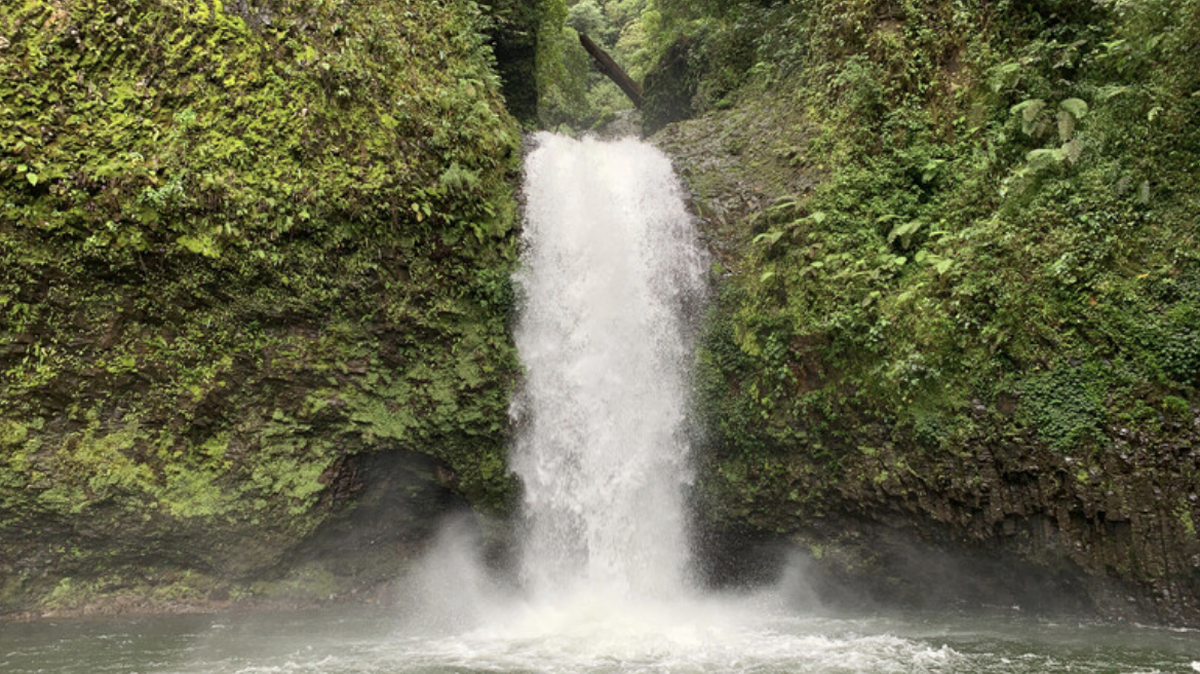
A five-day expedition into Madagascar’s largest rainforest turned up 21 species that hadn’t been documented by scientists in years — including a nearly 11-inch millipede no researcher had recorded in 126 years.
What Happened
A conservation group funded by Colossal Biosciences organized the expedition in Madagascar to search for species considered “lost to science,” according to a July 17 news release from Re:wild. The team set out to find 30 species and came back having rediscovered 21 of them.
Re:wild defines “lost” species as those that are not extinct and may have been observed by local communities but have not been identified in a scientific study for an extended period. These creatures haven’t vanished — they just haven’t crossed paths with a scientist in a very long time. Some hadn’t been documented in over a century.
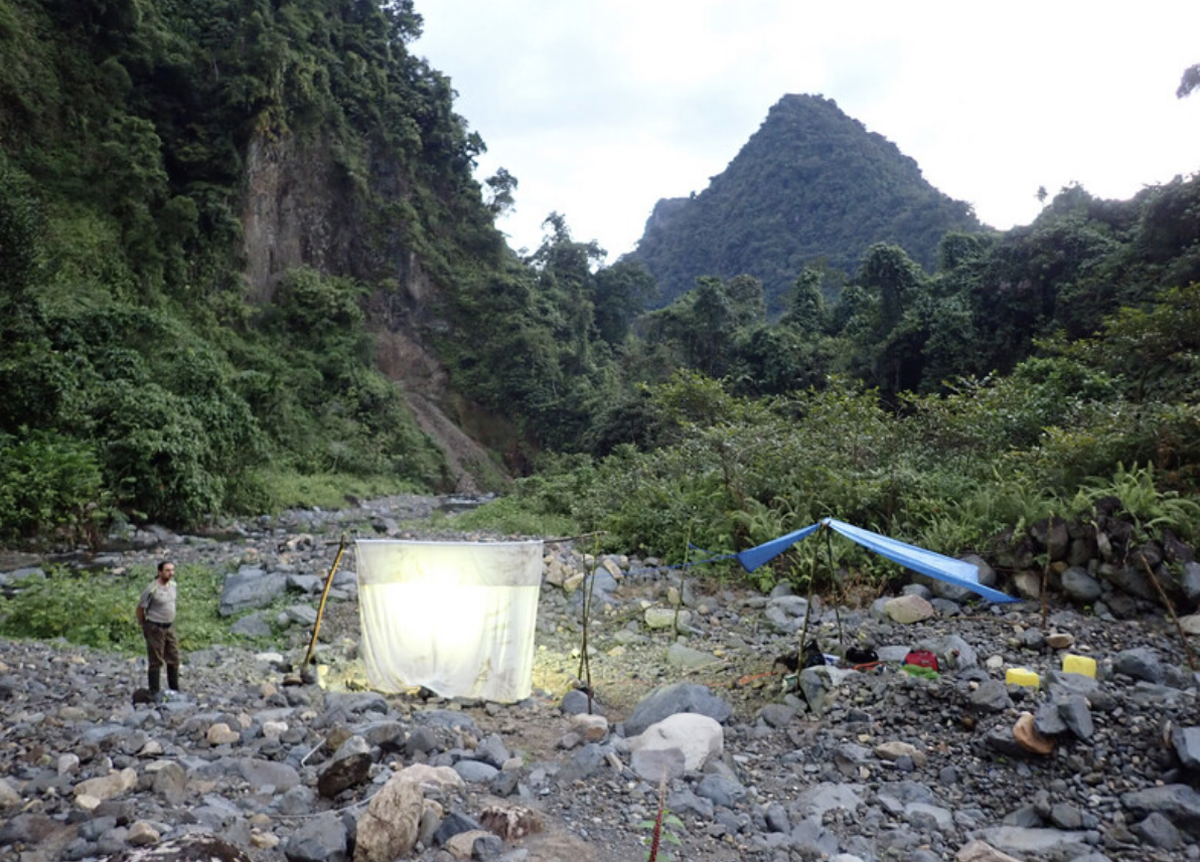
The expedition took place in Makira, the largest rainforest in Madagascar, an island nation off the east coast of Mozambique. Researchers, entomologists and trail guides searched trees, ground and rivers for 30 species that had not been documented in at least a decade. The targeted list included three mammals, three fish, seven reptiles, 12 insects and five spiders, according to the release.
“In the past the Search for Lost Species has primarily looked for one or two species on each expedition, but there are now 4,300 species that we know of around the world that have not been documented in a decade or more,” Christina Biggs, a Re:wild officer, said. “Madagascar is a biodiversity hotspot and Makira is an underexplored area within the country, so we decided to pilot a new model for lost species searches there. We convened a group of scientists to search for as many species as possible, and it proved successful.”
The Giant Millipede
The most striking rediscovery was the giant millipede Spirostreptus sculptus. The species was known only from the original specimen described in 1897 — no researcher had documented it since.
Entomologist Dmitry Telnov highlighted the find. “I personally was most surprised and pleased by the fact that the giant millipede Spirostreptus sculptus, not uncommon in Makira Forest, appeared to be another lost species known only from the type specimen described in 1897,” Telnov said. “The longest specimen of this species we observed in Makia was a really gigantic female measuring (10.8 inches) long.”
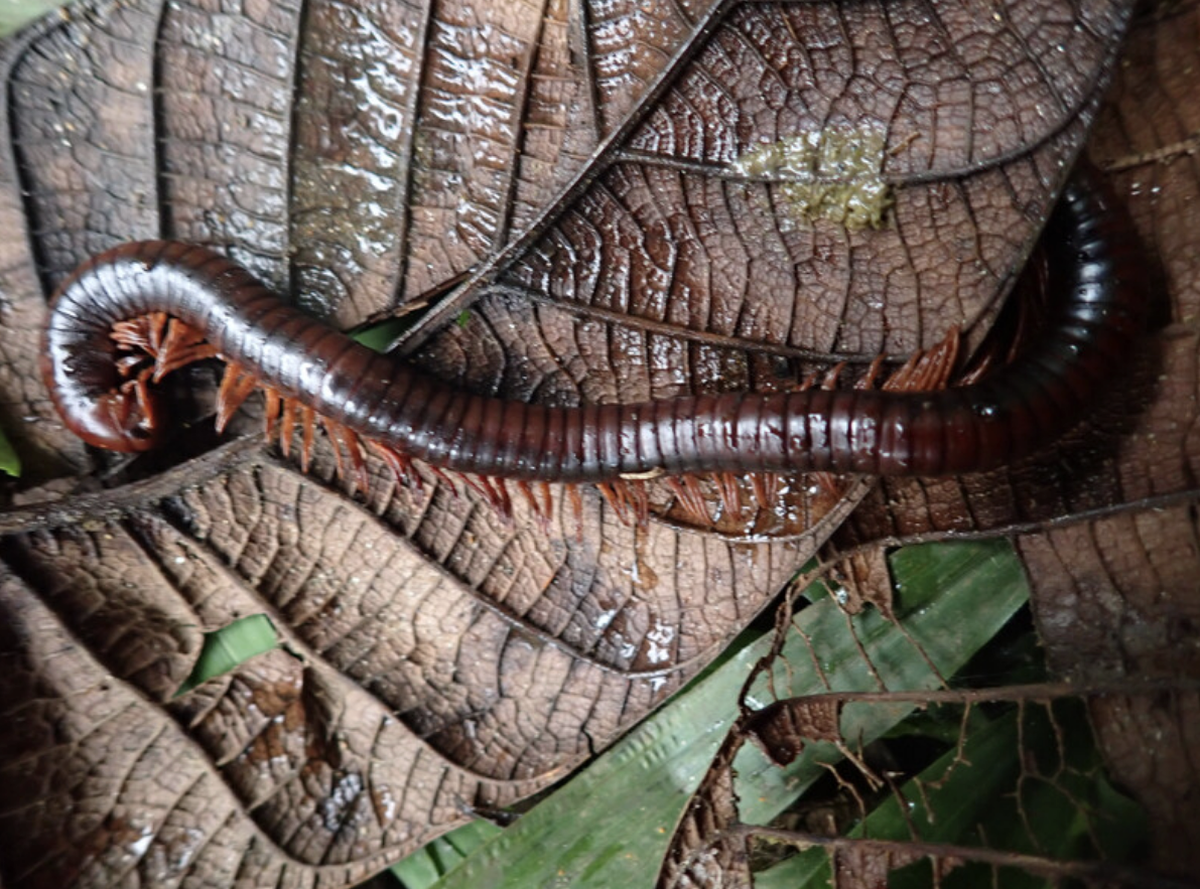
The millipede measured nearly 11 inches — roughly the length of a standard sheet of paper. Telnov described the species as “not uncommon” in Makira Forest, meaning this wasn’t a single rare sighting. The giant millipede appears to have been living in plain sight, at least from a local perspective, while the scientific world had completely lost track of it for more than a century.
Rainbow Fish and Other Finds
The millipede was far from the only discovery. After five days of searching, local guides and fishers helped identify all three targeted fish species. Guides walked to local communities and returned with a Makira rainbow fish and photos of another fish described in the release as having “iridescent scales and red highlights.”
The team also rediscovered multiple insect species, including some not even on the original list of 30 targets. Finding species they weren’t looking for speaks to how rich and underexplored this corner of Madagascar remains.
Local guides and community members played an essential role in these discoveries. It was local fishers who helped confirm the fish species and guides who walked to nearby communities to gather specimens and photographs. The people who live alongside these species every day were key to reconnecting them with the scientific record.
The Ones Still Missing
Nine of the 30 targeted species remain unconfirmed.
The Masoala fork-marked lemur, not documented since 2004, was not found during the expedition, according to the release. Neither was a large chameleon species missing since 2006. The dusky tetraka, a bird that had been rediscovered on another expedition in December 2022, was also not located in Makira.
Those gaps leave open questions about whether the missing species are deeper in the forest, farther up the rivers, or possibly gone for good.
Why It Matters Now
The discoveries come with an urgent backdrop. “Though Makira is the largest forest in Madagascar, it is still facing pressure from agriculture,” Re:wild said. “The expedition team worries that species in the underexplored forest could face steep population declines before scientists have an opportunity to study them.”
A giant millipede went 126 years without being documented by scientists — not because it was hiding, but because no one had looked in the right place. With 4,300 species worldwide that haven’t been documented in a decade or more, according to Biggs, the Madagascar expedition represents a new model for finding what’s been lost.
BOTTOM LINE: Twenty-one rediscoveries in five days proved the large-scale search model works — the question now is where the search goes next, and whether science can catch up before agricultural pressure pushes undocumented species toward decline.
Production of this article included the use of AI. It was reviewed and edited by a team of content specialists.