Avalanche Deaths Are Mounting This Season — Here’s What Backcountry Travelers Need to Know
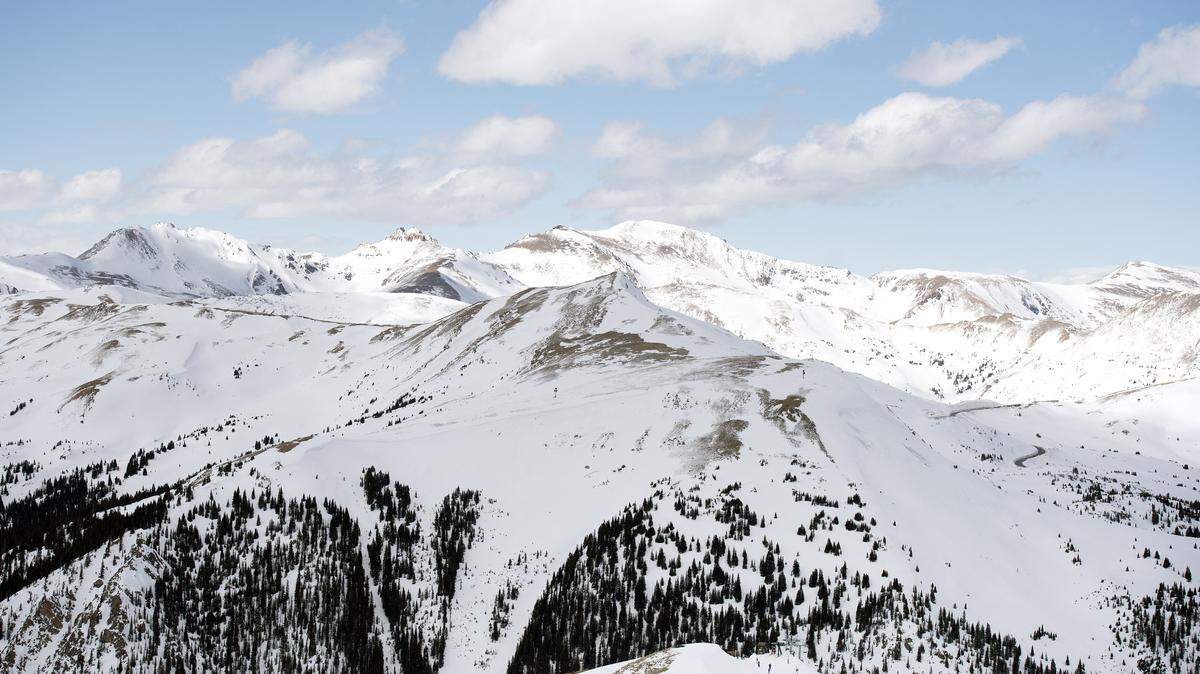
At least 16 people have died in avalanches during the 2025-2026 season so far, a number already tracking toward some of the worst seasons on record with winter still ongoing.
KEY FACTS:
- At least 16 people on snowmobiles, skis and snowboards have died in avalanches this season, according to the Colorado Avalanche Information Center.
- A deadly Feb. 17, 2026 avalanche in California killed eight skiers and left one more unaccounted for.
- Avalanches kill 25 to 30 people in the United States each winter, according to avalanche.org.
- Research suggests a warming climate is increasing overall avalanche risk at higher elevations, per The New York Times.
- The Alps have also seen more fatalities than usual this year.
What’s Behind the Rising Risk
According to The New York Times, while scientists are careful not to blame climate change for any single weather event without close study, research suggests a warming climate is increasing the overall risk of avalanches at higher elevations, as storms dump large amounts of snow that can overload and tumble down a mountain slope.
“We do expect that in the highest elevations in the Sierra, for example, there to actually be more snowfall,” said Ned Bair, a researcher at the University of California, Santa Barbara, and the former research chairman of the American Avalanche Association, per The New York Times. “What really matters with the avalanches is the intensity of the atmospheric rivers.”
The risk isn’t simply more snow. It’s about how much snow falls, how fast, and on what kind of existing snowpack. Atmospheric rivers can deliver enormous quantities of moisture in a short window, loading slopes beyond their breaking point.
A Pattern From 2021 Is Repeating
One of the most dangerous recent years was 2021, when skiers, snowboarders and snowmobilers sought a reprieve from pandemic stresses and headed into the backcountry of the Salt Lake and Uinta regions, per The New York Times. At least 26 people died in avalanches in the U.S. that year, compared with 23 deaths in the previous season, the Colorado Avalanche Information Center said.
That dynamic hasn’t gone away. Backcountry access continues to grow in popularity, and snowpack conditions driving avalanche risk appear to be intensifying.
The Most Important Safety Advice
Simon Trautman, an avalanche specialist at the Forest Service’s National Avalanche Center and Northwest Avalanche Center in Washington, told The National Geographic the most important thing when it comes to avalanche safety is to “get the forecast. Get the training. Get the gear.”
That sequence is deliberate. Forecasts come first. Avalanche conditions can change dramatically within 24 hours.
Four Steps Before Your Next Trip
The Alpine Institute breaks avalanche preparedness into four actions:
- Get educated. Take an avalanche course. Snow stability can vary significantly even within a limited area. Never trust a single source of information.
- Check local weather reports and avalanche prediction centers. Talk with local experts and others who have recently traveled in areas you plan to visit.
- Carry proper equipment and know how to use it. Practice with your gear several times each year. Owning a beacon, probe and shovel is one thing — knowing how to use them under stress is completely different.
- Travel with trusted, avalanche-educated partners. Plan your route and alternate routes, and discuss challenges and hazards.
What to Do Now
The Colorado Avalanche Information Center and local avalanche centers publish daily conditions. New York’s Department of Environmental Conservation also maintains avalanche safety resources for those in the Northeast. These are free and take minutes to check.
The American Avalanche Association lists education options by region for those who haven’t taken an avalanche safety course or need a refresher.
BOTTOM LINE: The 2025-2026 season’s fatality numbers are already tracking toward historic highs — backcountry conditions are demanding more preparation than ever from anyone venturing beyond resort boundaries.
Production of this article included the use of AI. It was reviewed and edited by a team of content specialists.