Scientists Found 80 Translucent Creatures In an Australian Cave. They Belong to a Species New to Science
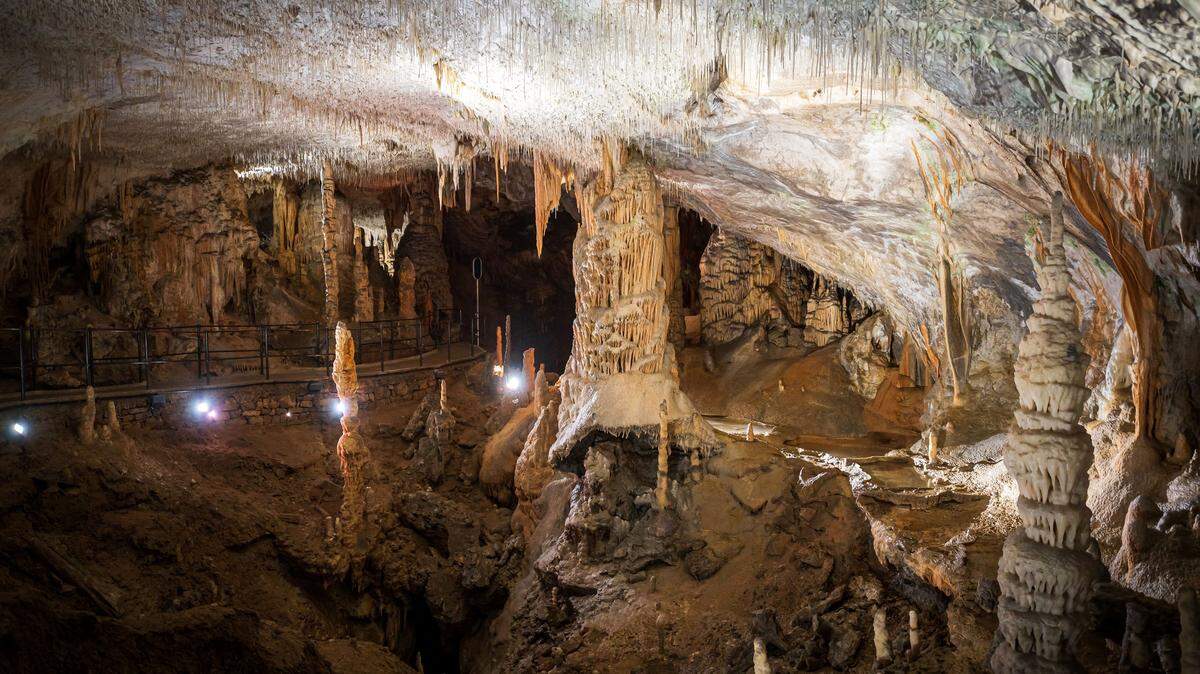
Beneath a remote stretch of Australia’s Northern Territory, researchers found something unexpected swimming in shallow underground pools: at least 80 translucent crustaceans belonging to a species never before documented. The creature, now formally named Megabathynella totemensis, was identified inside Totem Pole Cave in the Pungalina karst area along the Gulf of Carpentaria. It was hiding in plain sight.
The species was described in a study published in May 2024 in the European Journal of Taxonomy. The details paint a picture of a creature that defies expectations for its family of crustaceans, especially when it comes to size.
A ‘Giant’ Crustacean Smaller Than a Pencil Eraser
Megabathynella totemensis is a type of Bathynellacea crustacean. It measures nearly 6 millimeters in length. That may sound tiny, but within its taxonomic group, the researchers consider that enormous.
“Here, we consider species larger than 4 mm to be ‘giant’ and those of 2.5-4 mm to be ‘large,’” according to the study. At nearly 6 millimeters, this creature clears the “giant” threshold by a wide margin.
The species’ “unusually large” size directly contributed to its name. The genus name Megabathynella derives from the Greek word μέγας, meaning big. The species name totemensis refers to Totem Pole Cave, where the organisms were found.
Size isn’t the only standout trait. Its claws drew particular attention: “The new genus has numerous claws, … up to 11, and only some species of Billibathynella come close, with 10 claws, but the most common state is seven claws,” the study states. Megabathynella totemensis carries roughly 57% more claws than most of its relatives. The creature is also segmented, armed with “protruding” teeth and “enlarged” spines along the inside wall of its thorax.
That combination of features — translucent body, segmented frame, protruding teeth, up to 11 claws and enlarged thoracic spines — made the organism distinct enough to warrant an entirely new genus. Not just a new species within an existing one.
Life In the Dark
The 80-plus organisms observed in Totem Pole Cave were swimming in shallow pools within the cave system. Their translucent bodies suggest adaptation to a subterranean environment where light doesn’t reach. Cave-dwelling organisms often lose pigmentation over generations, and the see-through quality of these crustaceans fits that pattern.
The Pungalina karst area is a limestone landscape along the Gulf of Carpentaria. Karst environments form when soluble rock dissolves over time, creating networks of caves, sinkholes and underground waterways. These hidden aquatic systems often harbor species found nowhere else on Earth because they’ve been isolated for long periods.
Why Researchers Expect More Discoveries Like This One
The study’s authors believe Megabathynella totemensis is far from the last find of its kind.
“As new species continue to be discovered and described in Australia and around the world, it is interesting to observe that large and giant species (of Bathynellacea) occur on every continent,” researchers said. This isn’t an isolated anomaly in one Australian cave. Oversized Bathynellacea are showing up across the globe.
The researchers went further: “It is likely that numerous new species will be discovered in these and other countries with further survey of prospective habitats, as is the case in Australia. Future studies could explore the factors that lead to this unusually large size and proliferation of articles and setae observed.”
Scientists don’t yet fully understand why these crustaceans grow so large compared to their relatives. They expect that more exploration of caves and underground water systems will yield more unknown species. The factors driving the size and physical complexity of creatures like Megabathynella totemensis remain an open question.
An Active Frontier Underground
Underground ecosystems, particularly in karst regions, continue to produce new species at a steady clip. Australia’s remote cave systems are especially productive because large portions remain unsurveyed. When researchers do explore them, they keep finding organisms that don’t match anything in existing records.
Giant Bathynellacea have now been documented on every continent, according to the study. Each new find adds data about how isolated ecosystems shape evolution differently — how creatures develop more claws, larger bodies and specialized features when cut off from surface environments.
80 translucent creatures, nearly 6 millimeters long, armed with teeth, spines and up to 11 claws, swimming in cave pools in northern Australia. They were there the whole time. Researchers just hadn’t looked yet.
Production of this article included the use of AI. It was reviewed and edited by a team of content specialists.