Strange Creature With ‘Elongated Limbs’ Found in Iranian Canyon. It’s a New Species
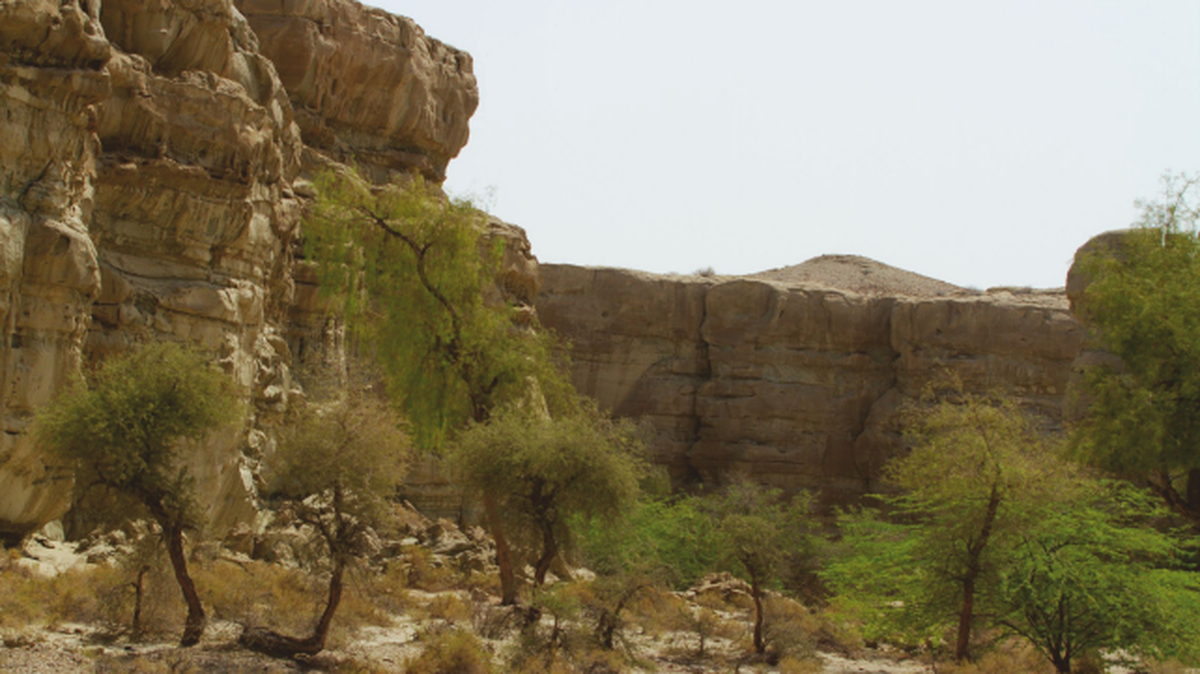
A spiky, big-eyed gecko found clinging to canyon walls in southern Iran turned out to be a completely new species — genetically distinct from every known relative by a staggering margin.
KEY FACTS:
- Researchers discovered a new species of leaf-toed gecko, now formally named Asaccus authenticus, in Bandar-e Jask, a city in southern Iran
- DNA analysis revealed at least 23% genetic divergence from other related geckos — a significant gap signaling a long, independent evolutionary path
- The gecko is the 20th known species in the Asaccus genus across Iran, Arabia and the United Arab Emirates
- Researchers say the find points to “yet underestimated diversity” in the region, with more species likely awaiting discovery
How the New Species Was Found
Researchers first spotted a group of these leaf-toed geckos clinging to the walls of a dry river canyon during a nighttime survey in 2018, according to a 2024 study published in the peer-reviewed journal Zootaxa.
The geckos were also found “on the ground under the Acacia trees and bushes,” per the study.
The creature didn’t match anything in existing records. What followed was a detailed scientific analysis confirming it as a genuinely new species.
The research team behind the discovery included Roman Nazarov, Hossein Nabizadeh, Mehdi Rajabizadeh, Daniel Melnikov, Valentina Volkova, Nikolay Poyarkov and Eskandar Rastegar-Pouyani.
What This New Gecko Species Looks Like
The Bandar-e Jask leaf-toed gecko is characterized by its “big” eyes, “slender” bodies covered in white spikes and “elongated limbs” with claws.
Despite the dramatic appearance, these geckos are medium-sized, only growing to about 4.5 inches in length.
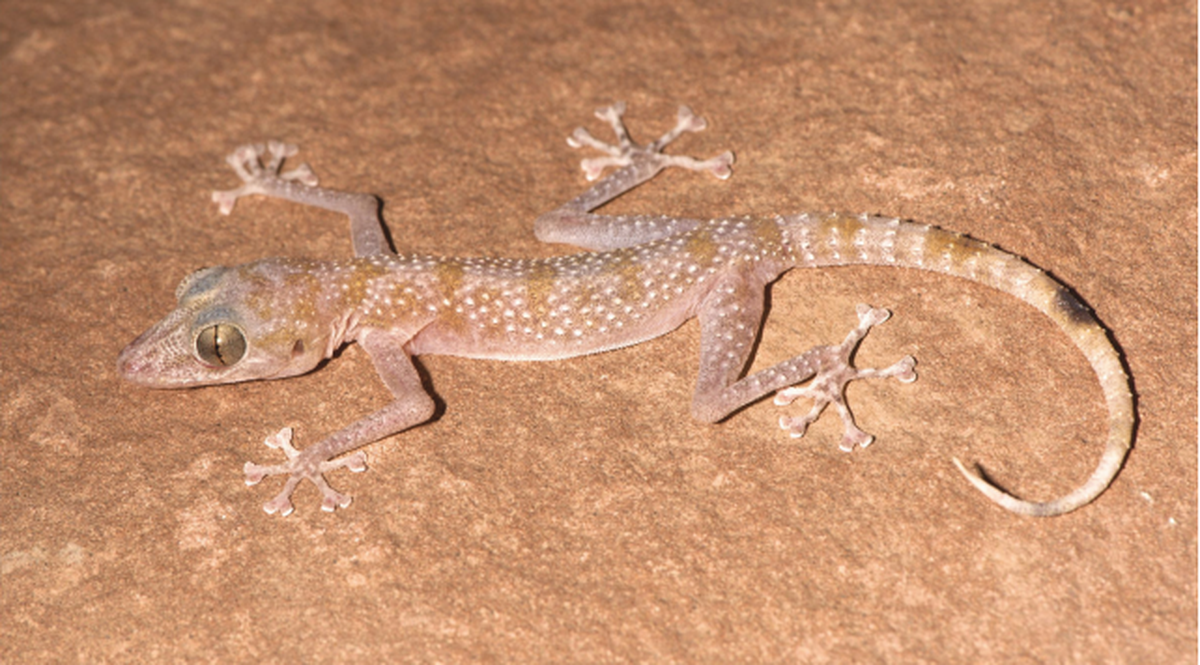
Those distinctive physical features served as the first clue that the species might be something entirely new. But it was the genetic analysis that truly sealed the case.
Why 23% Genetic Divergence Matters
DNA analysis found the new species had at least 23% genetic divergence from other related geckos. Genetic divergence measures how different the DNA sequences of two organisms are from each other.
Generally speaking, scientists use these measurements to determine how long ago two species or populations split from a common ancestor and began evolving independently. The higher the percentage, the more time has passed and the more distinct the lineage.
A 23% divergence signals that Asaccus authenticus has been on its own evolutionary path for a very long time, accumulating genetic changes that set it clearly apart from its closest known relatives in the Asaccus genus.
This isn’t a borderline case or a minor variant — it’s a genuinely distinct species with deep genetic roots.
The gecko’s name reflects that uniqueness. Its name comes from the Latin word “authenticus,” meaning “genuine” or “authentic,” due to its distant genetic relationship to other Iranian leaf-toed geckos.
The 20th Species in Its Genus
Prior to the discovery, there were 19 known species in the Asaccus genus throughout Iran, Arabia and the United Arab Emirates. Asaccus authenticus is now the 20th known species, per the study.
20 species in a single genus across a relatively defined geographic region suggests a remarkable level of biodiversity — and that more species may still be out there.
The locality where the new species was found lies away from the Zagros Range and distant from all other known Iranian Asaccus species, representing the easternmost distribution limit of the genus in Iran.
That isolation helps explain both the deep genetic divergence and the fact that the gecko went unnoticed for so long.
Researchers Flag ‘Underestimated Diversity’
The study’s authors issued a broader call to action about the gaps in our understanding of biodiversity.
“Further studies on the diversity and evolutionary relationships of Asaccus geckos is important both for achieving a better understanding of speciation and phylogeography patterns in the region, as well as for the environmental and conservation issues,” the researchers wrote in the study.
Phylogeography is a field that examines how historical events shaped the geographic distribution and genetic diversity of species over time. By studying where species like Asaccus authenticus live and how genetically different they are from their relatives, scientists can piece together a deeper story about how landscapes and ecosystems evolved.
The researchers went further: “The high level of endemism in the genus Asaccus indicates the existence of yet underestimated diversity and lineages that need to be protected.”
That phrase — “yet underestimated diversity” — acknowledges that science’s current map of life is incomplete, and that species are out there that haven’t been found, named or protected.
Why This Discovery Matters
Every new species identified reshapes our understanding of the tree of life. Each one tells scientists something about evolution, adaptation and the health of ecosystems.
Asaccus authenticus — with its spikes, big eyes and 23% genetic divergence — is a reminder that the natural world is still full of surprises.
BOTTOM LINE: If a genetically distinct species can persist undetected on canyon cliffs in a known city, researchers say the region likely harbors more undiscovered species that still need to be found and protected.
Production of this article included the use of AI. It was reviewed and edited by a team of content specialists.