A Bulging-Eyed, Dragon-Like Fish Misidentified for Years Turns Out to Be a New Species
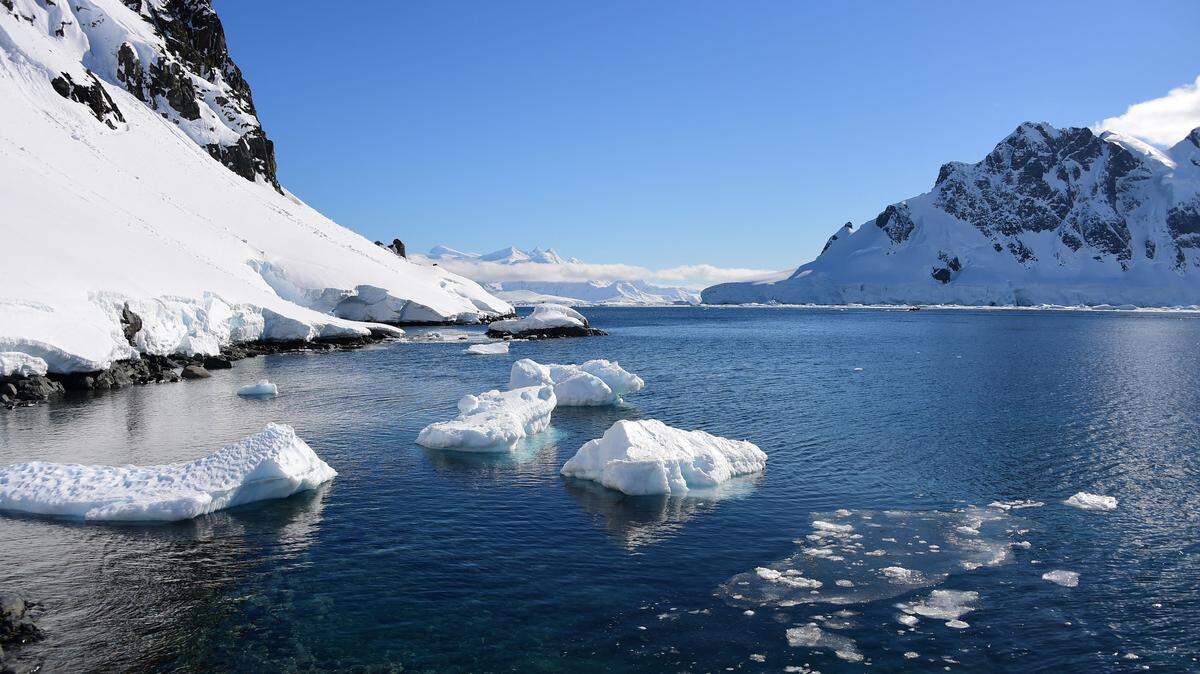
A slender, pale brown fish with oversized, bulging eyes and a long, dragon-like mouth has been swimming beneath Antarctic glaciers for hundreds of thousands of years.
And for some of that time, specimens of the fish sat in museum collections around the world, misidentified and overlooked.
The Banded Dragonfish — now formally named Akarotaxis gouldae — is a new fish species found in waters off the western Antarctic Peninsula. What looked like an ordinary Antarctic catch turned out to be a species that had eluded scientists for centuries.
Researchers have given it a name, but they’re already concerned about its vulnerability.
A Bizarre Dragon Hiding Beneath the Ice
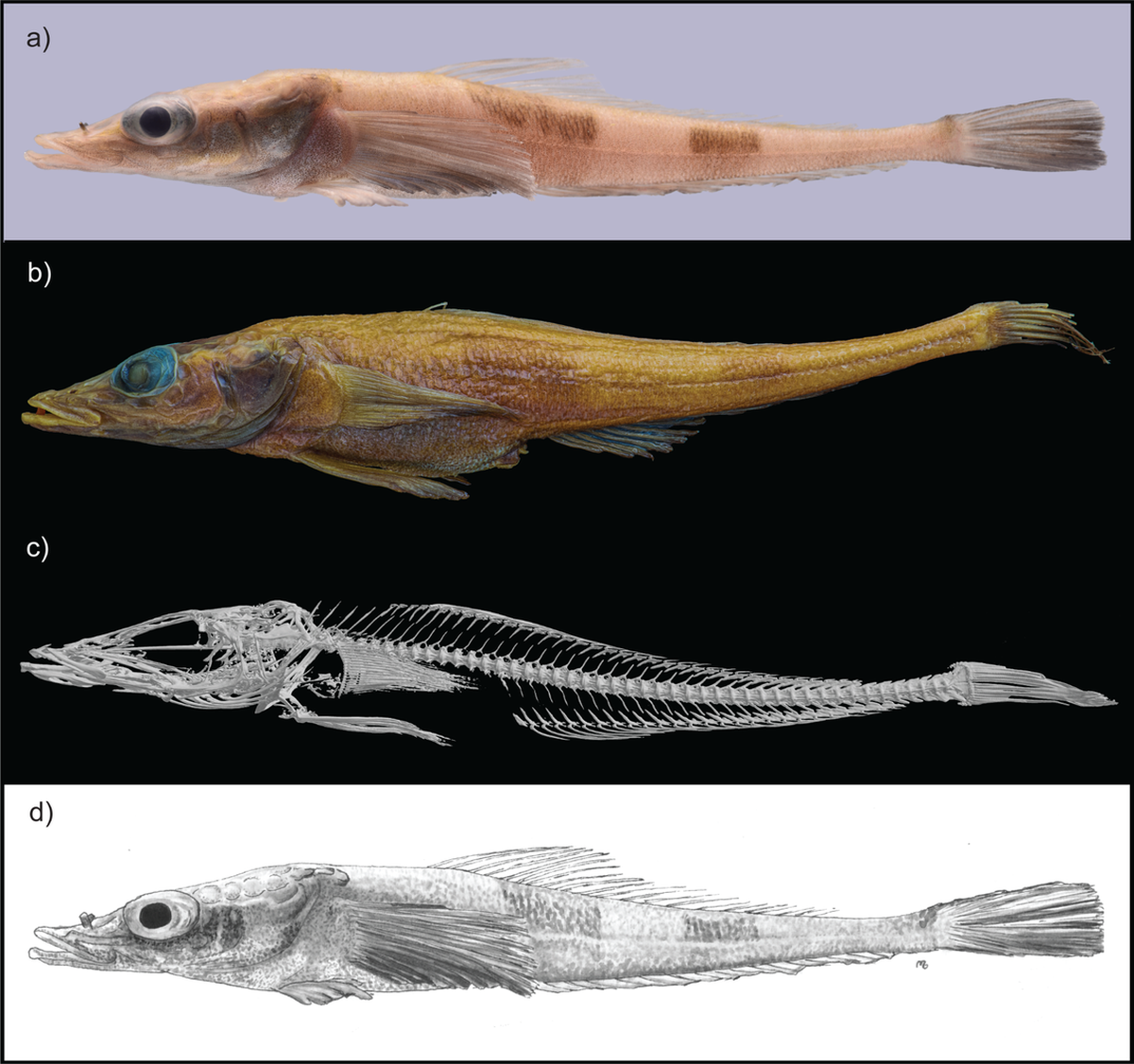
The Banded Dragonfish has a distinctive look.
According to the study, the fish is described as “slender” with a “wide snout” and an “elongate mouth,” giving it a dragon-like profile.
Its most unusual feature: “enlarged, ovoid eyes” that bulge from its head, lending an almost cartoonish, otherworldly appearance. Its body is pale brown marked with slightly darker bands along its sides.
Those bands turned out to be a key clue to the fish’s true identity — one that had been missed for years.
How the Discovery Actually Happened
The find started not with a deliberate search but with a happy accident.
Researchers from the Virginia Institute of Marine Sciences (VIMS) and William & Mary’s Batten School of Coastal & Marine Sciences were in Antarctic waters hoping to catch zooplankton.
When they dropped a trawl into the water, they pulled up something unexpected: a larval fish that resembled a known species called Akarotaxis nudiceps.
Lead author Andrew Corso wasn’t entirely convinced. Upon further review, he concluded the DNA wasn’t a match. The fish in their net was something different.
When Corso and his team looked back through existing museum collections, they found adult specimens of the new species that had been previously collected and misidentified.
“There are two distinct bands on the sides of adult Akarotaxis gouldae that are not present on Akarotaxis nudiceps, so we were surprised that the species already existed in collections but had been previously overlooked,” Corso said in a news release published by the VIMS in August 2024.
The answer, it turns out, had been sitting on a shelf.
“In the world of fish taxonomy, it’s becoming common to distinguish species with genetics alone. Genetic testing is an extremely valuable tool, but our discovery highlights the importance of early life stage morphology and natural history collections like those at VIMS and other institutions,” Corso added.
The team’s findings were published in the journal Zootaxa.
Surviving Under Glaciers for 780,000 Years
The Banded Dragonfish’s backstory may be even more dramatic than its discovery.
Testing revealed that the species diverged as a separate species approximately 780,000 years ago, a time when most of the Southern Ocean was covered in glaciers.
How did it survive?
“We hypothesize that a population of dragonfishes may have become isolated within deep trenches under glaciers, surviving on food pushed in by the moving ice. Once the glaciers retreated, this subpopulation had become distinct enough to be reproductively incompatible with Akarotaxis nudiceps,” Corso said, per VIMS.
A small population of fish, trapped beneath a vast sheet of ice, likely eked out an existence in deep ocean trenches for thousands upon thousands of years. Over time, cut off from their relatives, they evolved into something entirely new.
When the glaciers finally pulled back, the Banded Dragonfish had become its own distinct species.
A Narrow Home Range and Low Reproduction
Despite its resilience, the Banded Dragonfish appears to occupy a remarkably limited range, confined to the western Antarctic Peninsula.
According to the study, it may have one of the smallest geographic ranges of any Southern Ocean fish.
Dragonfish generally live in deep water as adults, guard nests in shallower coastal areas and have larvae that stay near the surface. Examination of ovaries suggests low reproductive capacity, meaning the species doesn’t produce offspring in large numbers.
That combination — a limited geographic range, low reproduction rates and early life stages in shallow waters — raises real concerns about the fish’s future.
The region is heavily targeted by the Antarctic krill fishery, and commercial vessels trawl in depths of 0–250 meters, where larvae may be present.
Researchers say more caution is needed until the ecosystem is better understood.
Named After a Ship That Braved the World’s Harshest Waters
The species name Akarotaxis gouldae carries its own story.
The Banded Dragonfish was named in honor of the recently decommissioned Antarctic research and supply vessel (ARSV) Laurence M. Gould and its crew.
The ship supported U.S. Antarctic research for 27 years, from 1997 until August 2024 when it was decommissioned.
During that time, it spent nearly 6,300 days at sea, much of it navigating the Drake Passage, one of the most treacherous bodies of water in the world.
Scientists named the species to honor the vessel and its crew and to highlight the importance of continued Antarctic research.
What Comes Next
A species that survived under glaciers for hundreds of thousands of years now faces threats from modern commercial fishing in its narrow home range.
The Banded Dragonfish may have one of the smallest geographic ranges of any Southern Ocean fish, and its low reproductive capacity leaves little margin for error.
For now, the dragon-eyed fish with the bulging gaze stares out from the cold waters of the Antarctic Peninsula, finally recognized for what it is. The question is whether that recognition came soon enough.
Production of this article included the use of AI. It was reviewed and edited by a team of content specialists.